

Shadow Games: Unlicensed PI Targeted Amidst Taos Woman’s Tragic End
POLICY WIRE — TAOS, N.M. — In the desolate high desert of Northern New Mexico, where secrets often bury themselves deeper than bodies, an ugly legal skirmish is brewing—not between a suspect and the...

POLICY WIRE — TAOS, N.M. — In the desolate high desert of Northern New Mexico, where secrets often bury themselves deeper than bodies, an ugly legal skirmish is brewing—not between a suspect and the state, but between an grieving husband and a private investigator whose ethics now stand squarely in the harsh daylight. This isn’t just another sad story of loss; it’s a peek into the murky ethics governing modern private justice, where the pursuit of truth can quickly morph into a campaign of terror.
It’s an uncomfortable dance, the quest for answers in a world saturated with opinion. Mark Casias, a man now bearing the crushing weight of having his missing wife’s remains identified, has opted to confront one of his tormentors head-on. He isn’t pointing fingers at law enforcement; he’s taking aim at a particular private citizen—an individual whose self-appointed crusade has, by Casias’ account, escalated from simple accusation to what he describes as something far more sinister. [QUOTE_PLACEHOLDER]
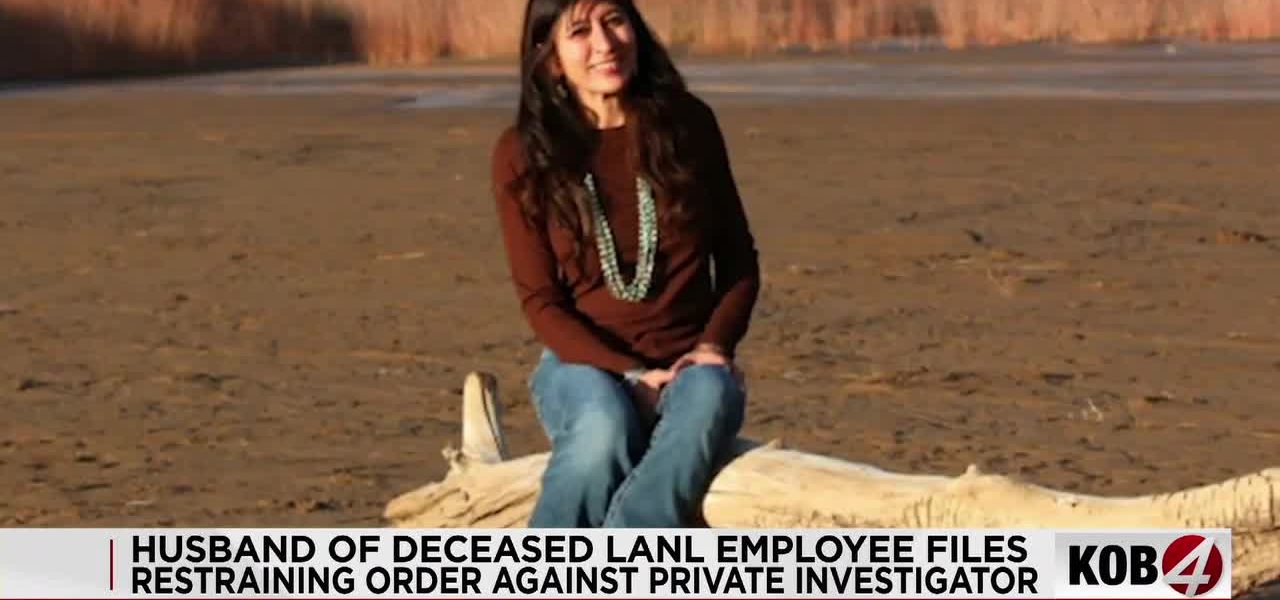
His wife, Melissa Casias, had been missing for roughly a year. Her remains finally turned up last month, located in Carson National Forest. Now, you’d expect a period of grim finality, perhaps some official movement in the case, but no. Instead, a peculiar sideshow has ignited. Casias has filed court documents, explicitly naming private investigator Thomas McNally as the architect of an ‘escalating campaign of public harassment, defamation, and criminal threats’ leveled not just at him, but reportedly at his daughters as well.
This isn’t some mere war of words. But it’s certainly gotten nasty. The gravity of such an accusation—particularly the hint of a PI operating without proper authorization—should send shivers down the spines of anyone who cares about due process, anywhere in the world. Casias’ claims don’t pull punches: McNally doesn’t hold a valid New Mexico private investigator license, he stated.
Think about the implications of that: someone operating under the guise of an investigator, yet apparently without the regulatory oversight designed to protect the public. In a jurisdiction like New Mexico, which, according to the state’s Regulation and Licensing Department, typically oversees around 400 licensed private investigators at any given time, the existence of unlicensed practitioners presents a considerable regulatory lacuna. And in an age where information, accurate or otherwise, can spread like wildfire online, the potential for harm is amplified exponentially.
For now, police are holding their cards close to their chest. They haven’t charged Casias with wrongdoing in the case. An autopsy is underway to determine how Melissa Casias died. Curiously, a gun was also found near her remains, adding yet another layer to an already complex — and tragic narrative. The facts, slowly surfacing, paint a picture of distress, but a final verdict remains elusive.
And so, a legal battle for a restraining order looms next week. This isn’t merely a local spat, mind you. It echoes broader global patterns of ‘vigilante justice’ that emerge when trust in official systems wanes or perceived injustice lingers. In Pakistan, for example, cases of extrajudicial pronouncements—whether from religious figures, local councils, or even self-styled internet detectives—have caused immense social harm, often before any formal legal process can even begin. While the contexts differ wildly, the common thread is a perceived shortcut to truth that bypasses or even discredits official channels, sometimes with devastating reputational and personal consequences.
It raises the question of where legitimate investigation ends and harmful meddling begins—especially when accusations are hurled without official sanction, often cloaked in the legitimacy of a professional title that may not even be deserved.
What This Means
This incident, far from being just a sensational local headline, presents a stark look into the dangers of an unregulated information ecosystem, one that exists adjacent to, and sometimes attempts to usurp, official law enforcement and judicial processes. Politically, the narrative underscores a creeping public mistrust, compelling individuals to seek — or, as appears to be the case here, unwittingly be subjected to — ‘alternative’ forms of justice, often outside the purview of established legal frameworks. When citizens believe official investigations are too slow, too secretive, or simply inadequate, a void is created. This void is frequently filled by individuals like McNally, who, licensed or not, stake a claim as informal truth-seekers. But it’s a volatile business. When such a figure’s ‘investigation’ devolves into alleged harassment and defamation, the entire justice system takes a hit, leaving the public — and often the victims or their families — caught in an unsettling crossfire.
Economically, there’s an emergent, if morally ambiguous, market for these types of ‘investigations,’ often fueled by social media’s hunger for immediate answers and sensational narratives. And because these services sometimes operate in the gray zones of regulation, they can capitalize on emotional vulnerability. For governments, it poses a quiet, thorny challenge: how do you regulate those who operate at the fringes without stifling legitimate private investigative work? How do you restore faith in institutions so that grieving families don’t feel compelled to navigate a parallel, often aggressive, ‘investigative’ landscape? This Taos dust-up serves as a cautionary tale: letting an unlicensed ‘justice’ system run wild isn’t just unfair, it can, frankly, turn into an abuse factory, creating more victims than it helps, whether in a New Mexico desert or a bustling Karachi street. The stakes aren’t just individual; they’re systemic. [Beyond Grief: Air India Families Face Absurd Injustice of Misidentified Remains]