


DOJ’s Vague ‘Cooperation’ Raises Eyebrows in High-Stakes New Mexico Inquiry
POLICY WIRE — Albuquerque, N.M. — Sometimes, justice isn’t just slow; it moves with the deliberate pace of a bureaucrat sifting through documents best left buried. That’s the feeling rippling through...

POLICY WIRE — Albuquerque, N.M. — Sometimes, justice isn’t just slow; it moves with the deliberate pace of a bureaucrat sifting through documents best left buried. That’s the feeling rippling through New Mexico as state investigators chase after what seems like the most basic element in a criminal probe: unredacted files from a federal agency.
It’s about the late Jeffrey Epstein, his Zorro Ranch—that infamous sprawling property in the desert—and the persistent, harrowing questions swirling around alleged activities there. State Attorney General Raul Torrez has been quite vocal, or as vocal as an AG can be, about his agency’s need for the unvarnished truth contained within federal files. He needs them, he stated earlier this week, to buttress witness testimony. Because without concrete support, even the most compelling personal accounts can, let’s be honest, buckle under pressure. His office had not, he emphasized, actually gotten those coveted files yet. And for many observing this long, drawn-out saga, it feels a bit like a cruel administrative joke.
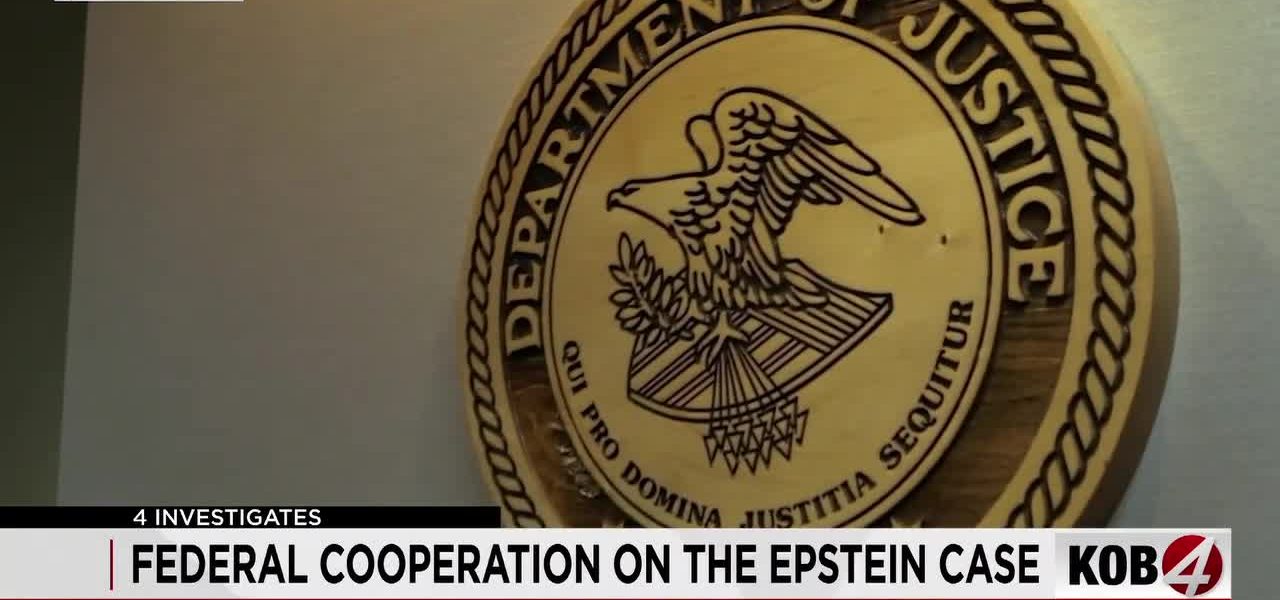
Enter Ry Ellison, the top man for the U.S. Department of Justice right here in New Mexico. We at 4 Investigates—Policy Wire’s investigative arm—took the question of these missing, vital documents straight to his office. His response? Predictable, if not exactly reassuring. He articulated, [QUOTE_PLACEHOLDER] Full cooperation. Sounds great, doesn’t it? But, like a ghost in the desert heat, the details are tantalizingly out of reach.
Ellison, much like Torrez, remained conspicuously mum on the precise “issues” consuming the federal government’s attention regarding this case. It’s a familiar dance: agencies nodding to the principle of collaboration while sidestepping specifics that could, well, clarify matters. What he didn’t say, pointedly, was that those unredacted files would definitely, unequivocally, make their way into state hands. Because, it’s always what they *don’t* say, isn’t it?
And so, we’re left with a declarative, yet curiously hollow, pronouncement from Ellison: “He wants cooperation, we want to cooperate.” Beautiful. Almost poetic. Except that in the practical realm of justice, wishes don’t magically unredact files. The mechanism for this cooperation, its specific form and substance—that, Policy Wire can confirm, remains firmly shrouded in ambiguity.
Meanwhile, the tireless journalists at 4 Investigates persist in their grim task. They’re meticulously sifting through the *redacted* Epstein files, the ones available to the public. It’s like trying to solve a puzzle with half the pieces blackened out—a laborious, frustrating, and often infuriating exercise. The state’s renewed criminal investigation into the illegal activities at Zorro Ranch demands nothing less, but the path is certainly an uphill battle.
It’s a situation that brings to mind similar battles for governmental transparency worldwide. Think of calls for open inquiries into alleged malfeasance within official circles across the Muslim world—Pakistan, for instance. Just as there, a pattern of opacity can breed suspicion, regardless of the true intentions. Perceptions matter, sometimes more than facts. When agencies in Karachi or Islamabad offer similar vague assurances of “full cooperation” in high-stakes corruption probes, observers naturally raise an eyebrow. And for good reason: According to a 2023 report from the Brennan Center for Justice, nearly 40% of all federal document requests under the Freedom of Information Act result in at least some information being withheld, often without clear, specific justification.
Here in New Mexico, it’s not just about one notorious figure; it’s about institutional credibility. It’s about ensuring that powerful systems don’t—even unintentionally—erect barriers that prevent survivors from finding resolution and the public from understanding the full scope of alleged crimes. The longer these files stay under wraps, the more the public wonders what, exactly, someone is trying to keep hidden.
What This Means
The nebulous federal assurance of “full cooperation” without a firm commitment to deliver crucial, unredacted files isn’t merely bureaucratic jargon—it’s a political liability. For Attorney General Torrez and the state’s pursuit of justice, this federal reticence isn’t just an inconvenience; it hobbles his investigation. It forces him to rely on partial information when full disclosure is, one would assume, a legal imperative.
Politically, this kind of ambiguity breeds distrust. It allows cynical narratives to flourish, suggesting that the federal government, for reasons unspoken, is less than eager to air out the full complexities of the Epstein case, especially its connections to a well-resourced ranch and alleged systemic abuses. Such high-profile foot-dragging, even if unintentional, feeds the broader public skepticism about institutional transparency—a sentiment that frankly resonates far beyond American borders. It echoes the frustrations heard when victims of state negligence, say, like the families suffering from the misidentification of remains in tragedy investigations, encounter a similar bureaucratic wall.
Economically, prolonged uncertainty — and a lack of clear judicial resolution can, indirectly, have a chilling effect. It reinforces the idea that certain powerful individuals or connected networks can evade full accountability, potentially influencing perceptions of fairness and justice—essential foundations for any stable society and its economy. The ongoing silence surrounding such a notorious case in a specific location like New Mexico can subtly impact community morale and, in extreme cases, public confidence in governmental oversight and rule of law.
And in the grander scheme of global governance, such apparent lapses in transparency within a Western legal system can be leveraged by other nations as a cudgel, pointing to perceived hypocrisy or selective application of justice. It gives ammunition to critics who argue that, despite rhetoric about democracy and rule of law, even developed nations struggle with open governance, especially when powerful figures are involved. It’s a bad look, frankly. For a country that routinely preaches transparency abroad, maintaining such a fog domestically—even in an active investigation—just isn’t a good look.