

Infant’s Standoff Ordeal Reveals Systemic Cracks in Urban Welfare
POLICY WIRE — Albuquerque, United States — It’s often in the hushed, almost unnoticed corners of everyday life where the most harrowing narratives unfold. On a Friday evening in Albuquerque, not the...

POLICY WIRE — Albuquerque, United States — It’s often in the hushed, almost unnoticed corners of everyday life where the most harrowing narratives unfold. On a Friday evening in Albuquerque, not the grand geopolitical chess moves we typically analyze, but the silent terror within a southeast apartment—home to a barely breathing human—arrested local law enforcement and, perhaps, our collective conscience. This wasn’t some distant, abstract crisis; it was visceral, domestic, — and utterly devastating. We’re talking about a one-week-old baby caught in a maelstrom of adult conflict — and profoundly reckless decisions.
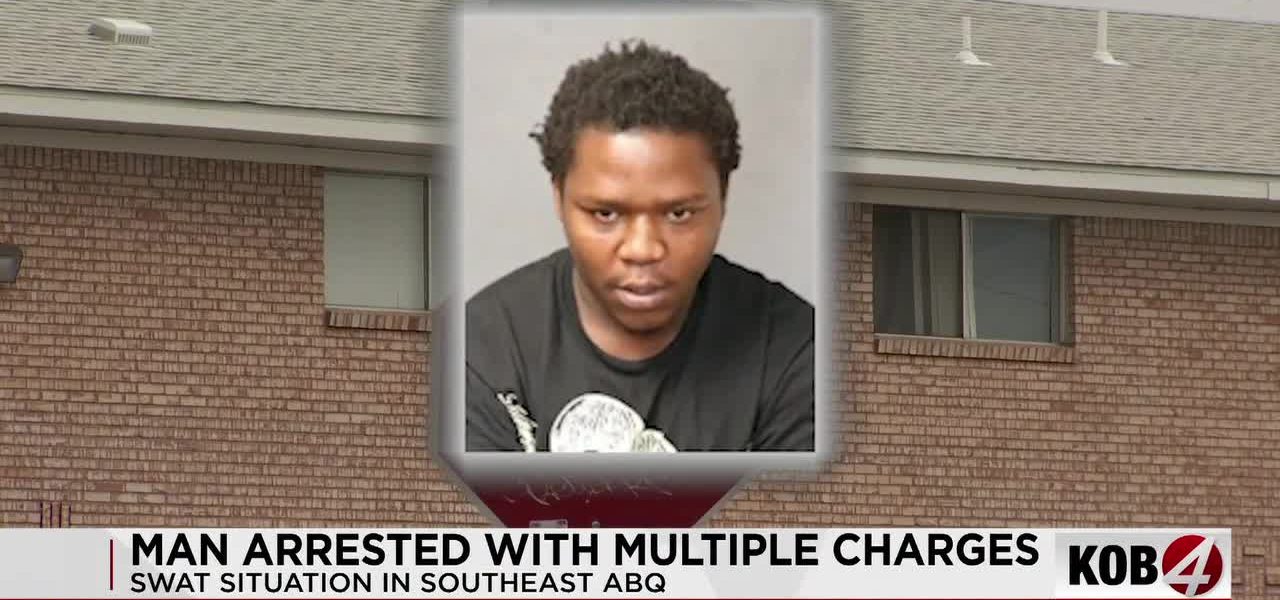
Police said officers went to an apartment on Madeira Drive on Friday for a domestic dispute. But this wasn’t just a shouting match, no. This incident spiraled into a standoff, culminating in an individual being charged with what can only be described as the deepest betrayal of trust—child abuse—among other serious offenses. Think about that for a second: a mere seven days into life, and a tiny human is already the unwilling centerpiece of a SWAT situation. It beggars belief, honestly, the sheer precipice on which this infant teetered. [QUOTE_PLACEHOLDER]
According to police accounts, the sequence of events was as grim as it gets. A woman involved, his partner, informed authorities of Bradley Orelus’s startling intention: he planned to leave their 1-week-old child alone so he could buy marijuana. Let that sink in. An infant—fragile, helpless, completely dependent—left to fend for itself while a parent pursued a trivial personal vice. It’s a stark reflection of priorities, a gut-punch of reality about where some personal choices lead.
But the horror didn’t stop there. When the woman and a friend tried to retrieve the baby—a simple, instinctual act of protection, you’d think—Orelus reportedly escalated the violence. Police said the woman also told them that when she and her friend went to get the baby, Orelus started hitting her while she held the child. You’d hope such a situation would snap someone out of their delusion. It didn’t. While still holding their week-old infant. The raw audacity, the utter lack of care, the complete disregard for the most innocent among us, it’s—well, it’s sickening, isn’t it?
As officers responded, police said Orelus barricaded himself inside the apartment and didn’t let his partner leave with the child. This is where the local incident morphs, becoming a microcosm of broader societal issues. A domestic squabble explodes, trapping an infant, drawing in a SWAT team, and becoming a grim testament to the often-hidden perils within homes that, on the surface, appear ordinary. And it’s not unique to Albuquerque. Consider the parallels globally: domestic violence remains an epidemic without borders. In South Asia, for instance, nearly one-third of women aged 15-49 have experienced physical or sexual violence, according to a 2018 UNICEF report focusing on the region. This pervasive issue creates unstable environments for millions of children, not just in developing nations, but everywhere.
The swift action of law enforcement managed to extract the infant from immediate peril, averting a potentially catastrophic outcome. Police charged Orelus with child abuse, battery, breaking — and entering and other crimes. It’s a list that underscores the multifaceted nature of domestic disputes gone terribly wrong. And frankly, this episode makes you wonder: how many more babies are silently enduring similar, albeit less publicized, ordeals?
This incident is not an isolated data point. It forms part of a disquieting pattern that stretches across geographies, from the streets of New Mexico to the bustling megacities of Pakistan. Just recently, an article discussed how Pakistan Army Dominates Prestigious UK Military Competitions Once Again, highlighting national capabilities. Yet, even in nations with burgeoning strengths, the private struggles of families, particularly domestic abuse and neglect, continue to present profound challenges to public safety and social welfare systems. Our systems—be they in the United States, Pakistan, or anywhere else—are perpetually battling the chaos that human frailty unleashes.
What This Means
This Albuquerque incident, grim as it’s, acts as a stark lens through which to view several uncomfortable truths. Firstly, the escalation from a domestic dispute to a SWAT standoff involving an infant points to a failure of early intervention systems. Why do these situations reach such critical points? Because quite often, the signs are missed, or ignored, until it’s almost too late. It’s a policy conundrum that vexes lawmakers and social workers everywhere: how do you intervene without overstepping, how do you protect the most vulnerable before police sirens are even necessary?
Secondly, it illuminates the broader societal costs of addiction — and domestic violence. This isn’t merely a police matter; it’s an economic burden, a strain on public services, and a trauma that reverberates through communities. The potential lifelong impact on that infant—witnessing such violence, experiencing such fear so early on—can’t be overstated. And this ripple effect has economic consequences, from increased healthcare costs to lost productivity over decades. Governments, from Washington D.C. to Islamabad, pour resources into tackling crime — and national security. But are they dedicating enough to the fundamental security of a one-week-old baby in its own home?
Thirdly, and perhaps most acutely, it reminds us of the profound global implications of what appear to be isolated local events. The struggle to protect children, to uphold their basic rights to safety — and care, transcends borders and cultures. Whether it’s in the streets of Karachi or the apartments of Albuquerque, the fragility of infant life against adult malevolence is a universal and haunting theme. Policy Wire will continue to track these essential human-interest stories, drawing out their greater significance from the mundane violence that unfortunately, makes headlines.