


Inherited Burdens: Reiner Scion’s Bold Bid for Defense Funds
POLICY WIRE — Los Angeles, United States — It’s a twist worthy of a courtroom drama, except it’s playing out in real life: an individual accused of ending their parents’ lives now petitioning...

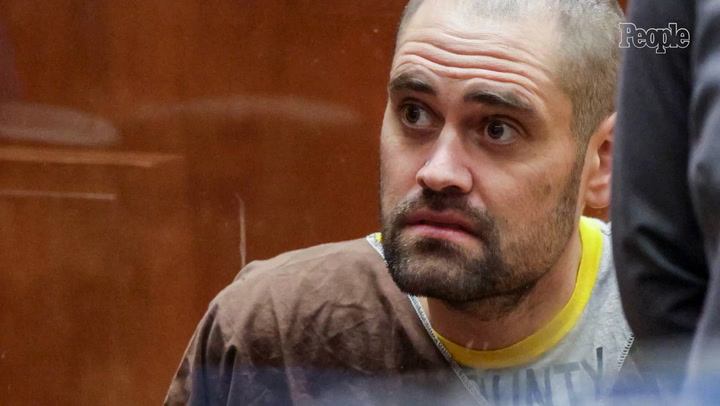
POLICY WIRE — Los Angeles, United States — It’s a twist worthy of a courtroom drama, except it’s playing out in real life: an individual accused of ending their parents’ lives now petitioning the courts to access the very fortune those parents meticulously built and bequeathed. Nicholas Reiner, offspring of Hollywood titan Rob Reiner, finds himself embroiled in a legal battle, not just against the accusations of patricide and matricide, but also, it seems, against the intricate architecture of familial wealth. His request? To draw funds from the trust ostensibly established for his own future by the very individuals he’s accused of slaying.
This isn’t merely about cold cash; it’s a profound ethical knot. The request to fund a defense against charges of killing your benefactors with their own money challenges common notions of justice and inheritance. It’s an almost perverse form of posthumous consent, where the silent wishes of the deceased, enshrined in legal documents, are bent to the alleged will of their undoer. And that, you know, just feels wrong to many folks.
Legal experts are already calling it a brazen maneuver. But let’s be real, it’s also a stark reminder of how money talks, even when lives have been tragically silenced. The sheer chutzpah of such a petition demands a closer look. For a justice system that prides itself on principles, the optics here are decidedly grim. We’re not talking petty theft, after all; we’re talking about the ultimate violation of trust within the family unit.
Sources close to the Reiner family say it’s [QUOTE_PLACEHOLDER] and that the legal proceedings are proving [QUOTE_PLACEHOLDER]. One wouldn’t expect anything less when navigating a high-profile case where wealth intersects with horrific allegations. This isn’t just a local spat; it’s a national spectacle, one that prompts us to chew on the bitter ironies of a society obsessed with legacies, both material and moral.
But the courts—they’ve got to consider the request on its own merits, not on public sentiment. They must balance an accused individual’s right to a robust defense against the understandable outrage this situation ignites. The legal precedent around a so-called Slayer Rule, preventing killers from inheriting from their victims, typically covers inheritances directly. But funding a defense? That’s a murkier legal swamp, one where the fine print of trust documents becomes agonizingly critical. Imagine drafting a trust, believing it safeguards your child’s future, only for it to be repurposed to challenge their alleged crime against you. It’s a lawyer’s nightmare, but for the Reiner family, it’s a lived reality.
Globally, the legal tightrope between protecting familial assets and ensuring due process for an accused heir is a common feature, though it’s cloaked in different cultural and legal trappings. From the complex inheritance laws that govern property in Lahore’s old city, where generational wealth often means intense family feuds and legal wrangling over ancestral lands, to the highly publicized civil suits seen in New York or London, the thread of financial dispute tied to perceived wrongdoing is universal. In Pakistan, for instance, inheritance often ties directly into social status and family honor; a high-profile murder accusation could dramatically shift an entire family’s standing, regardless of eventual legal outcome, creating pressures that mirror—albeit in distinct forms—the glare of public scrutiny now fixating on the Reiner family.
Consider the average cost of defending a capital murder case in the United States: it hovers around $2 million from arrest to execution, with non-capital cases still easily reaching hundreds of thousands of dollars. (Source: National Legal Aid & Defender Association). That kind of cash doesn’t just appear from thin air, certainly not for an accused with their assets likely frozen or under scrutiny. It’s why this trust fund access isn’t just opportunistic; it’s a practical necessity for Reiner’s defense team. Without that liquidity, their ability to mount a strong, expensive defense crumbles.
📄 POLICY WIRE WHITEPAPER PUBLISHED: PAKISTAN'S NATIONAL SECURITY POLICY PRIORITIES
👉 READ BY CLICKING HEREAnd that’s where the legal argument for access comes in. They’ll undoubtedly argue that without these funds, Reiner is deprived of his right to adequate legal representation, creating an unequal playing field—a situation that flies in the face of constitutional guarantees. They might assert that until a verdict is rendered, the presumption of innocence holds, and therefore, Reiner should be treated as any other beneficiary seeking access to funds for a legitimate, if darkly ironic, purpose.
We’ve seen similar, albeit less macabre, skirmishes over family wealth play out in boardrooms and courtrooms across the country, highlighting how the price of unfulfilled promises can echo through generations. This case, however, elevates those usual disputes to an unprecedented level of grim notoriety.
What This Means
The outcome of Nicholas Reiner’s audacious request isn’t just about his personal legal fortunes. It sets a tremor through the foundations of wealth management, estate planning, and, frankly, our collective sense of fairness. If allowed, it opens up a Pandora’s Box for how trust funds are constructed and protected against the most unthinkable scenarios. Estate planners might soon be drafting clauses specific to beneficiaries accused of heinous crimes against the grantor, creating what amounts to a preemptive ‘slayer clause’ within the trust itself for defense costs.
Economically, it underscores the staggering cost of high-stakes legal battles, accessible only to those with deep pockets or clever legal strategies to tap into them. This perpetuates a two-tiered justice system where the quality of one’s defense often correlates directly with one’s net worth, leaving those without such a familial safety net at a distinct disadvantage. It also feeds into the ongoing public debate about inherited wealth, its societal impact, and the perceived moral obligations that come with such privilege. And it highlights the unsettling idea that in the darkest corners of human behavior, even death might not fully sever the tangled strings of financial legacy. Policy Wire will continue to monitor developments.