


Affordability’s Chasm: White House Cheers Jobs as Rent Bites Hard
POLICY WIRE — Washington, D.C. — It’s a curious dance, this one, between statistical prosperity and the stark, lived experience. Picture folks, really, watching their grocery bills climb like a...

POLICY WIRE — Washington, D.C. — It’s a curious dance, this one, between statistical prosperity and the stark, lived experience. Picture folks, really, watching their grocery bills climb like a skyscraper, their gas tanks emptying faster than a politician’s promise—then they hear the big announcements. Official proclamations about robust employment figures often sail over the heads of those juggling utility payments and, crucially, figuring out how to keep a roof overhead.
It’s not just a murmur, it’s a persistent ache. The kind that keeps you up at night, tracing numbers in your head. Because, let’s be blunt, even the most vigorous job market feels like cold comfort when your paycheck just doesn’t stretch anymore. And that’s the rub, isn’t it?
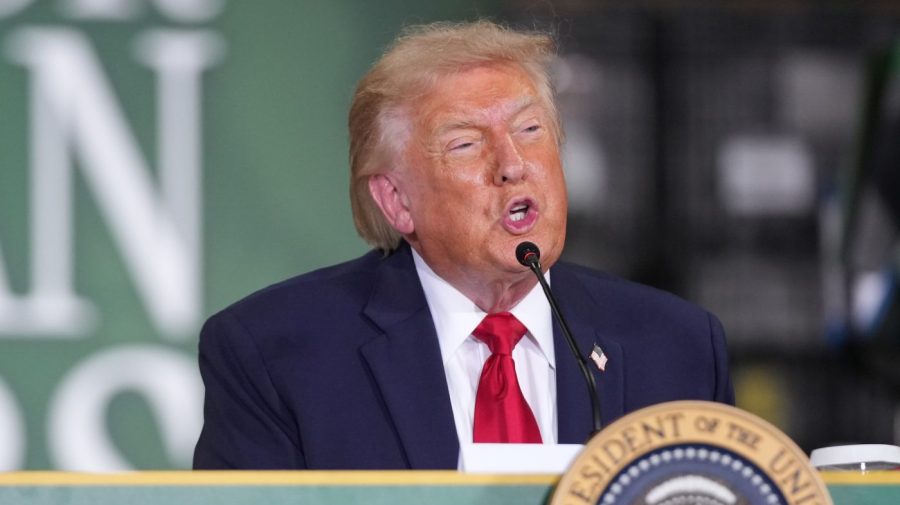
Just yesterday, a rather distinctive declaration cut through the din: [QUOTE_PLACEHOLDER] trumpeting a domestic financial landscape awash in opportunity. And you know, this assertion, while undeniably catchy—almost poetic in its imagery—strikes a discordant note when juxtaposed with the grind many households face daily. The gap between macroeconomic sunshine and individual household storms seems to be widening, a peculiar modern economic paradox. We’ve got more people working, sure. But working harder, often just to stand still.
Consider the average American family. They’re not usually poring over GDP reports; they’re just trying to afford chicken — and rent. Rent, in particular, has become a silent economic killer. For instance, according to data from Redfin, the median rent nationwide shot up by over 20% between March 2021 and March 2022. That’s a real bite, particularly for those earning less flexible wages, pushing many closer to the financial precipice. This isn’t just about ‘making ends meet’ anymore; it’s about seeing the ‘ends’ constantly moving further apart, a cruel mirage in the economic desert.
But the reverberations aren’t contained by borders, you know. Far from it. That biting pinch stateside has a rather intriguing way of influencing decisions across oceans. Think remittances, for example—the lifeblood for countless families from Karachi to Kuala Lumpur. If Auntie in Cincinnati can’t make her own budget balance, those precious dollars sent back home to Lahore become smaller, or, heaven forbid, stop altogether. We saw this, actually, during the roughest patches of previous global downturns. When the US consumer pulls back, a wave crashes ashore elsewhere. The Middle East, already navigating its own precarious economic currents, certainly feels the shift when America sneezes. Or, in this case, when America’s consumer affordability sneezes.
It’s an echo chamber, really. And political rhetoric, as potent as it’s, struggles to silence the clamor of a family budget that simply won’t cooperate. This isn’t a partisan jab; it’s an observable reality, a cold statistic wearing sensible shoes and trying to figure out how to fill its gas tank on a Tuesday.
📄 POLICY WIRE WHITEPAPER PUBLISHED: PAKISTAN'S NATIONAL SECURITY POLICY PRIORITIES
👉 READ BY CLICKING HEREAnd what’s perhaps most telling is the almost performative quality of these pronouncements. One almost gets the sense that by saying it’s raining jobs often enough, the sky will somehow clear for everyone, or at least distract from the deepening puddles at their feet. Because it’s easier to talk about abstractions like ‘the economy’ than the messy particulars of real-life budgets. The latter doesn’t poll as well, does it?
The tension here, this uneasy truce between official optimism — and public skepticism, hints at a larger problem brewing. You can boast all you want about employment rates, but if those jobs don’t translate into a discernible improvement in everyday quality of life—if you’re working yourself to the bone only to fall further behind—then the numbers start feeling a bit hollow, a grand narrative without a happy ending for many.
What This Means
This stark divergence between headline economic indicators and the grinding reality of affordability concerns is more than just an inconvenient truth for policymakers; it’s a political powder keg. For candidates seeking office, particularly in a presidential election cycle, ignoring the silent distress signals emanating from grocery aisles and gas pumps is an act of political self-sabotage. It fosters deep cynicism in the electorate, creating a fertile ground for populist movements that capitalize on economic frustration. People don’t vote based on charts in a PowerPoint presentation; they vote based on whether they can pay their bills.
Economically, this signals a sticky challenge for central banks. If the labor market truly is as robust as claimed, but inflation, particularly in essential goods and housing, continues to outpace wage growth, then traditional monetary policy tools might prove blunt instruments. It implies a deeper, more structural issue beyond simple supply — and demand. We’re talking about potentially misaligned markets—housing being a prime suspect—and possibly lagging wage adjustments that can’t keep pace with a cost of living spiral. For ordinary citizens, this means prolonged financial stress, dampened consumer confidence, and a growing sense of disenfranchisement. It’s not just economic; it’s existential for a fair few. That’s a dangerous cocktail for any stable democracy.