


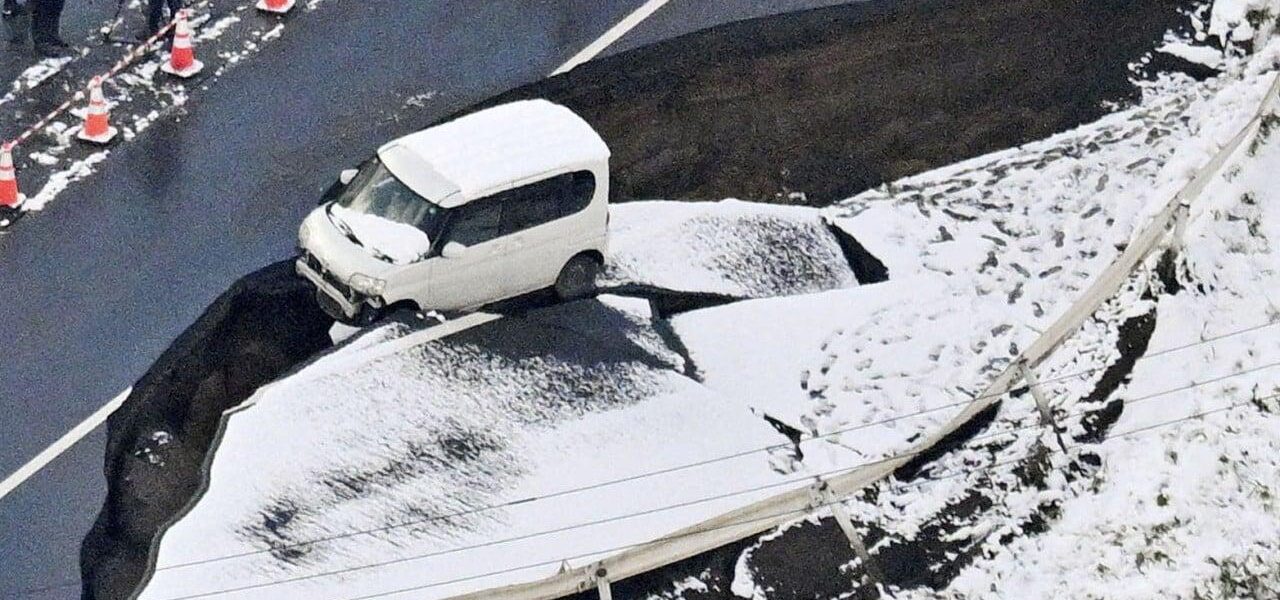
Nankai Trough Fault Line Dynamics Complicate Megaquake Predictions
New Japanese study reveals the Nankai Trough's locked zone is not static, complicating megaquake forecasts and posing challenges for disaster preparedness.

POLICY WIRE — Tokyo, Japan — A recent Japanese study has uncovered that the locked zone in the Nankai Trough, a 900km (560-mile) long fault line off Japan’s Pacific coast, is not a permanent feature but changes over time. This discovery further complicates the task of predicting megaquakes along this fault line.
The locked zone, where tectonic plates merge and stress builds up until it’s released in an earthquake, is a critical area of study for seismologists. In the Nankai Trough, the Philippine plate subducts beneath the Eurasian plate, creating a high-risk zone for significant seismic activity.
According to the study, the variability of the locked zone means that traditional models for forecasting megaquakes may need re-evaluation. This dynamic nature adds layers of complexity to understanding and mitigating the risks associated with the Nankai Trough.
The findings highlight the need for ongoing research — and updated methodologies in earthquake prediction. Authorities and scientists are urged to consider these new insights as they develop strategies for disaster preparedness and public safety.
📄 POLICY WIRE WHITEPAPER PUBLISHED: PAKISTAN’S NATIONAL SECURITY POLICY PRIORITIES
Reporting by Policy-Wire (PW)