
Fractured Peace: Cycle of Violence Haunts the Levant, Echoes Globally
POLICY WIRE — Jerusalem — It’s a familiar script, isn’t it? The air chills, the sirens wail, — and another cycle of retribution lurches forward. This week, the Levant finds...

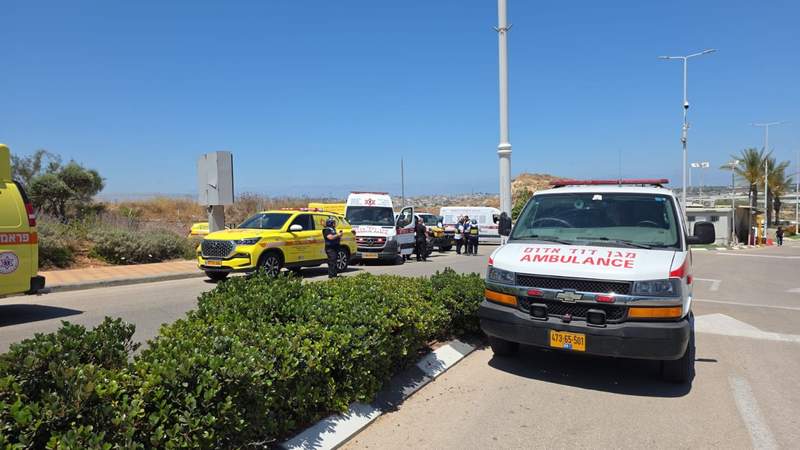
POLICY WIRE — Jerusalem — It’s a familiar script, isn’t it? The air chills, the sirens wail, — and another cycle of retribution lurches forward. This week, the Levant finds itself gripped by that agonizingly predictable pattern again, after what Israeli authorities termed ‘suspected terrorist shootings’ left one dead and several others injured in a series of disturbing incidents. The specifics — a car, a knife, a sudden spray of bullets — tend to blur into the landscape of constant tension. But the outcome, a deepened chasm of fear — and anger, is always stark.
The latest conflagration unfolded with harrowing speed, prompting swift, stern vows from Jerusalem. Details emerging suggest a deliberate — and coordinated sequence of attacks, though motivations remain contested. One young Israeli citizen, whose name now joins a tragic list, perished, with at least six others wounded, some seriously. And just like that, the already delicate filaments holding a frayed peace began snapping anew.
Israeli Prime Minister Benjamin Netanyahu, facing immense domestic pressure, wasted no time in his condemnation. "This barbarity won’t stand," he declared, his voice tight with resolve during an emergency security briefing. "We’ll hunt down those responsible to the ends of the earth, — and we’ll protect our people with an iron fist. There will be a price paid, make no mistake." Such rhetoric, while expected, only tightens the coils of anxiety that have long wrapped around this contested strip of land.
Across the fault lines, Palestinian Authority (PA) spokespersons urged calm, yet struggled to obscure a simmering resentment against the backdrop of occupation and economic hardship. "This land bleeds from an open wound," noted Dr. Tariq Hassan, a senior PA official speaking informally off the record — because everyone’s on edge, aren’t they? — "But true security won’t come from military operations or collective punishment. It needs dignity, it needs justice, and the international community isn’t stepping up." It’s a dialogue of the deaf, really, played out against a canvas of ceaseless suffering.
The reverberations, of course, don’t stop at the Green Line. They stretch outwards, catching the attention of nations already struggling with their own instabilities. In Islamabad, Pakistan’s Foreign Office issued a statement expressing "deep concern over the escalating violence" and reiterating calls for "a just and lasting solution based on international law." It’s a boilerplate response, sure, but in a region like South Asia, these echoes aren’t just diplomatic niceties. They inflame public sentiment, galvanize diasporas, and keep the Palestinian cause — a perennial point of solidarity for the broader Muslim world — very much alive in political discourse. Pakistan’s strategic importance, caught between multiple regional power plays, means its stance carries weight, albeit largely symbolic in this particular conflict.
📄 POLICY WIRE WHITEPAPER PUBLISHED: PAKISTAN'S NATIONAL SECURITY POLICY PRIORITIES
👉 READ BY CLICKING HEREThe constant escalation doesn’t just register as abstract news bulletins, you know. It affects daily lives. According to data compiled by the United Nations Office for the Coordination of Humanitarian Affairs (OCHA), incidents of settler violence in the West Bank alone saw a roughly 150% increase in the last year, a stark barometer of rising tensions that breed the sort of frustration often seen exploding into events like these. That’s a measurable jump in people’s misery index. And the cycle continues, fed by desperation — and a lack of viable alternatives. You don’t have to be a prophet to see that. Sometimes, the quiet seas still have very sharp edges.
What This Means
This latest surge of violence isn’t an isolated flare-up; it’s an alarm bell for regional stability. Politically, it signals a further hardening of positions on all sides. For the Israeli government, already navigating a complex coalition, an imperative to demonstrate robust security responses overrides nearly everything else. This almost certainly means increased military operations, potentially new settlement approvals, and a further distancing from any semblance of a diplomatic horizon. But such actions, historically, only amplify the grievances that feed extremist narratives.
Economically, the impact is insidious. Foreign investment, already skittish due to prior conflicts, will remain wary. The tourism sector, a significant earner for both Israelis and Palestinians, suffers immediately — cancellations surge, confidence plummets. More profoundly, it perpetuates a brain drain; educated, young Palestinians, seeing no future amidst chronic instability, seek opportunities elsewhere. And this isn’t just about this small patch of land. Because when one area of the world erupts like this, it sucks diplomatic energy away from other pressing global issues. Don’t think for a moment this violence is contained. It shifts alliances, complicates international trade routes, and fuels extremist narratives across borders — a bitter harvest of constant strife that reaches far beyond the Levant’s immediate borders. Sometimes, like the indifferent sands of the Sahara, the world watches, yet does little to halt the silent attrition of hope.