


Real Madrid’s Summer Gambit: Power Plays, Billions, and the Special One’s Shopping List
POLICY WIRE — Madrid, Spain — The ballot boxes have scarcely been counted, yet the tremors of decision-making already reverberate through the hallowed halls of Real Madrid. This isn’t just...

POLICY WIRE — Madrid, Spain — The ballot boxes have scarcely been counted, yet the tremors of decision-making already reverberate through the hallowed halls of Real Madrid. This isn’t just about football; it’s a high-stakes political drama disguised in a pristine white kit, with elections determining not just who steers the ship, but which way the global wind blows for arguably the planet’s most recognizable sports franchise. And like any seasoned political operator, Florentino Perez, the club’s long-reigning chieftain, appears set to extend his mandate.
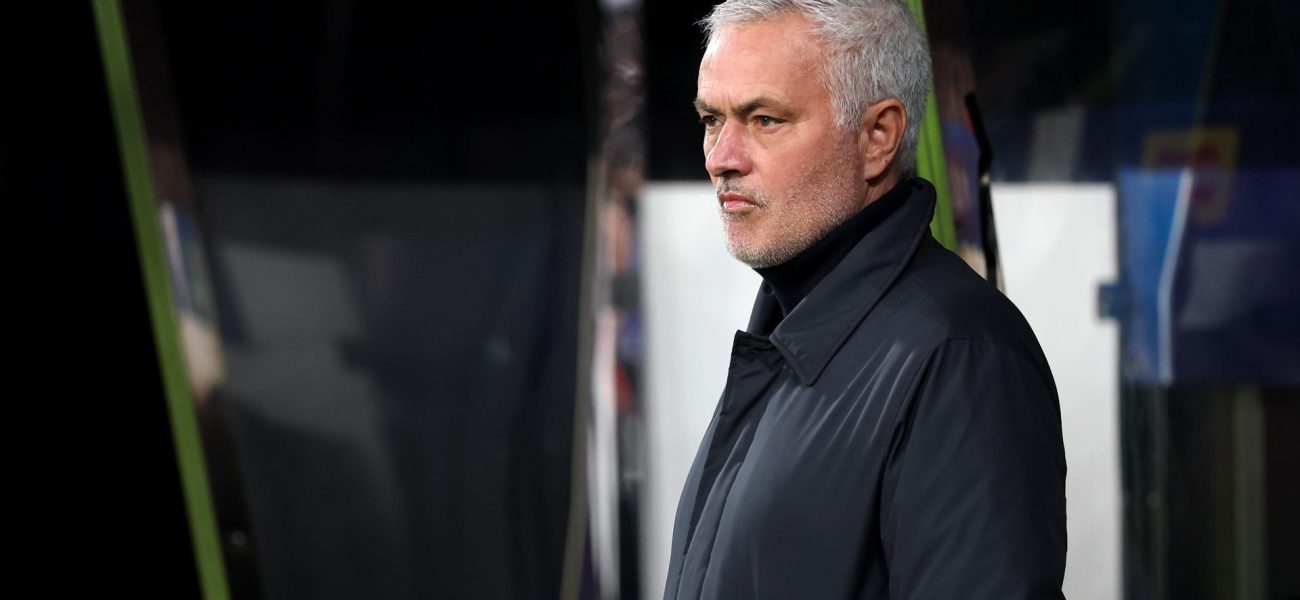
His return, of course, isn’t simply a matter of club continuity. No, it’s a meticulously choreographed prelude to what everyone really cares about: Jose Mourinho. The self-anointed ‘Special One’—a moniker that’s either a badge of honor or an open invitation for a dry chuckle, depending on who you ask—is reportedly primed to reclaim his old seat. But he’s not just returning to coach; he’s returning to dictate terms, or so the whispers from sources deep within the Madrid hierarchy suggest. He’s already been flexing some serious muscle, drawing up a five-player shopping list even before his formal re-introduction to the Spanish capital’s intense football theatre.
It’s an aggressive play, to be sure. Two of these potential transfers—Ibrahima Konate and Denzel Dumfries—are supposedly all but done deals, just waiting on the official club communique. The other three, Bernardo Silva, Riccardo Calafiori, and Matheus Fernandez, are the remaining pieces of Mourinho’s preferred puzzle. He clearly views the club’s backline — and midfield as places desperately in need of, well, *somebody new*. Because that’s often the answer, isn’t it?
Perez isn’t just handing out blank checks for kicks, mind you. He’s on a mission, one might say a grand political campaign, to yank Real Madrid from its recent spell of relative underachievement—by their ludicrously high standards, at least—and shove them back onto the very pinnacle of European football. “Our ambition knows no bounds,” declared President Perez, reportedly during a private gathering with club executives, reflecting a sentiment well-known across the football world. “We invest in excellence, because excellence is the Real Madrid standard. Anything less is unacceptable.” You don’t get much clearer than that, do you?
But the five initial signings? They’re just the appetizer. The real ‘galactic’ fireworks, the kind that echo far beyond the Iberian Peninsula, will likely involve a single, eye-watering acquisition. Rumors, given plenty of airtime by the Spanish sports daily Defensa Central, swirl around Michael Olise, a talent apparently earmarked for a transfer that could easily surpass €150 million. One wonders how much bureaucratic heavy lifting goes into justifying such expenditure for, let’s be honest, someone who kicks a ball around for a living. Yet, that’s the market. That’s the game.
“Look, when you’re building something substantial, you’ve got to get the right components,” Mourinho supposedly told his close circle, in an observation that could apply equally to a squad or, say, a cabinet. “And sometimes, the right components cost. You don’t stint on quality if you want to win, you simply don’t. This isn’t about luxuries; it’s about necessities.” There’s that quintessential Mourinho pragmatic ruthlessness. It’s never about emotion; it’s always about results, whatever the cost, financial or otherwise.
📄 POLICY WIRE WHITEPAPER PUBLISHED: PAKISTAN'S NATIONAL SECURITY POLICY PRIORITIES
👉 READ BY CLICKING HEREWhat This Means
The re-election of Florentino Perez and the anticipated return of Jose Mourinho aren’t just headlines for the sports pages; they’re an object lesson in global capital flows, brand management, and the fascinating intersection of sport and geopolitics. Real Madrid operates less like a mere football club and more like a multinational corporation, with its transfer activity reflecting a strategic investment portfolio. The sheer audacity of a potential €150 million bid for a single player highlights the vast sums circulating in European football – an industry that, according to FIFA’s Global Transfer Report, saw over $7.35 billion spent on international transfers in 2023 alone.
This spending spree isn’t just for trophies; it’s for market share, for TV rights, for jersey sales in far-flung locales from Jakarta to Karachi. Because ultimately, the emotional investment of fans in places like Pakistan and Bangladesh contributes to the brand’s immense global equity. These fans might not attend games at the Bernabéu, but their consumption of media, their purchase of merchandise, and their engagement on social platforms fuel the economic engine that makes these stratospheric transfers possible. The ripple effect of a ‘Galáctico’ signing resonates across continents, transforming the player from a mere athlete into a global ambassador, a cultural export, and a soft power asset for the club’s home nation. It’s Europe’s transfer frenzy, yes, but it’s got global ramifications, shaping economic landscapes far beyond what you might expect. These movements are signals to rivals, to investors, — and to an expectant fan base about power, intent, and resources.