


The Golden Years Heist: Why America’s Elders Are Prime Targets in a Multi-Million Dollar Digital War
POLICY WIRE — Albuquerque, NM — It doesn’t make the front page splash of a bank robbery or a high-stakes corporate embezzlement. No sirens wail, no vaults are blown open. Yet, an invisible...

POLICY WIRE — Albuquerque, NM — It doesn’t make the front page splash of a bank robbery or a high-stakes corporate embezzlement. No sirens wail, no vaults are blown open. Yet, an invisible crime wave is picking off America’s seniors, one carefully crafted lie at a time, bleeding their life savings dry with the quiet cruelty of a slow poison. We’re talking about elder fraud, and it’s less about breaking into accounts than it’s about breaking hearts—and often, spirits.
It’s a stark reality check: people over the age of 60 were swindled out of more than $55 million last year alone, according to data compiled by the FBI’s Internet Crime Complaint Center (IC3). That’s not a typo. Fifty-five million dollars vanished, not into legitimate investments or medical care, but into the pockets of cynical predators.
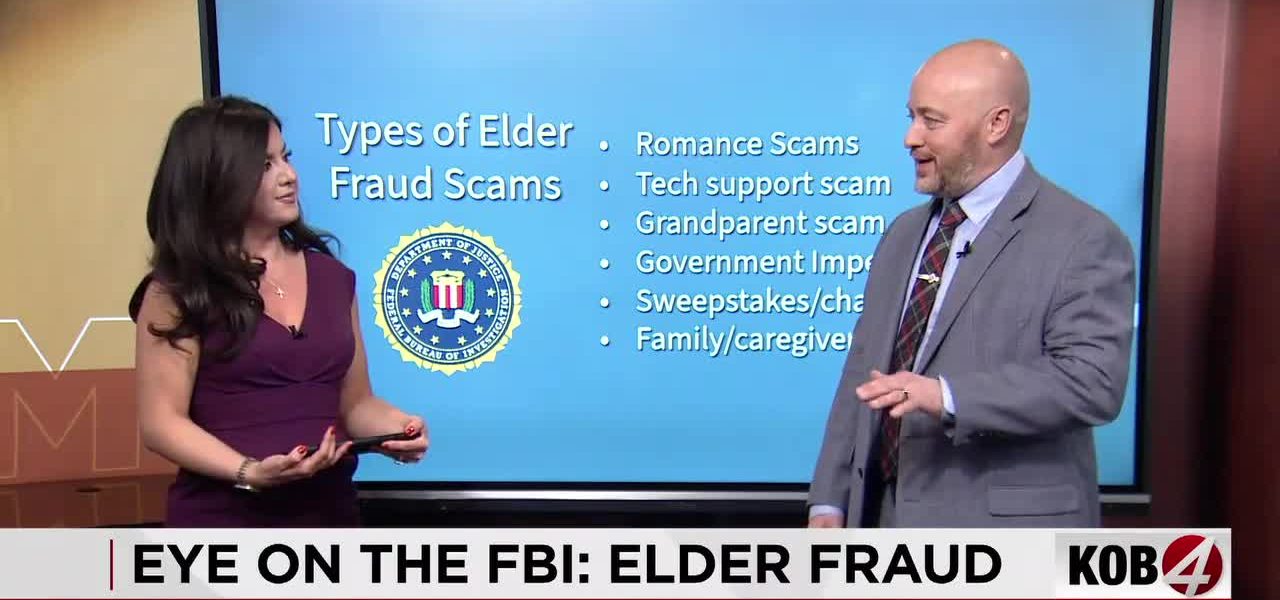
And these aren’t simple phishing emails anymore, folks. The fraudsters? They’ve gotten smarter, slicker. They’ve perfected the art of the long con, exploiting trust, loneliness, and, sometimes, plain old digital illiteracy. “This isn’t just about dollars and cents; it’s about a fundamental violation of trust, and these predators know exactly how to weaponize it against our most vulnerable citizens,” stated Justin Garris, Special Agent In-Charge with the FBI’s Albuquerque field office, his voice tinged with genuine frustration during a recent interview.
So, how do they pull it off? It’s often a psychological game of chess, one where the rules are rigged against the senior citizen. These fraudsters excel at isolation. They’ll tell their potential victim that whatever “emergency” is unfolding requires absolute secrecy. No talking to kids, no chatting with friends. Just the fraudster — and their target, alone on the phone line or in the email chain. That creates a vacuum—a prime environment for manipulation. “They’ll do that by making it seem like there’s a sense of urgency, like, ‘I need this payment right now, I need to help you with this tech support problem right now, it’s an emergency!’ And so that isolates the victim, unfortunately,” Garris elaborated, painting a chilling picture of calculated psychological warfare.
But isolation is just the beginning. The next step is building rapport. They’re good at it, these criminals. Really good. They’ll compliment, they’ll empathize, they’ll weave tales designed to mirror the victim’s own life experiences. They’re like chameleons, adapting their personas to fit the perceived needs or vulnerabilities of their prey. One day they’re a long-lost grandchild needing bail money; the next, they’re a romantic interest professing eternal love—all via text, of course. It’s predatory, sure, but it’s also undeniably cunning in its execution.
Sometimes, they’ll even flash fake badges or corporate logos. You know, to appear legit. An official-looking PDF attachment in an email, maybe a screenshot of a police ID. Anything to add a thin veneer of authenticity to their web of lies. It convinces folks they’re dealing with someone official, someone trustworthy, someone who actually cares about them or their supposedly compromised computer. But in reality? They’re just setting the hook deeper.
And because these sophisticated operations often emanate from international call centers, don’t think for a second the elderly in Karachi or Cairo aren’t facing down similar digital sharks. These criminal networks are global, their tactics adaptable across cultures. Senator Ayesha Khan (D-Maryland), a vocal advocate for elder protections on Capitol Hill, didn’t mince words when addressing the issue. “These aren’t random acts of larceny. This is organized criminal enterprise, sophisticated in its cruelty. We’ve got communities—from Little Havana to the diaspora communities linked to shifting Mideast alliances—seeing their parents and grandparents exploited, sometimes by scams originating half a world away. We have to recognize this as a global threat, not just a local nuisance.”
So, what’s a worried family member—or a potentially vulnerable senior—to do? Garris keeps it simple: “Whenever you get a suspicious email, text, or telephone call, delete it. Avoid it. Hang up. And reach out to someone you trust. A son or a daughter, a friend, or someone tech-savvy who’s willing to do a little research to validate if it’s a legit company or a legitimate person. That’s the first thing I tell them.”
He’s also big on common-sense digital hygiene: keep your antivirus software up-to-date, and for goodness sake, never—and he means never—give out personally identifiable information, bank details, or money via cryptocurrency or gift cards to someone who solicits it from you. Not even if they claim they’re the IRS, the FBI, or even your long-lost pet hamster needing a ransom.
If you suspect someone you know has become a victim, the time to act is now. Don’t wait. You can and should report it to the Internet Crime Complaint Center (IC3.gov) or by calling 1-800-CALL-FBI (225-5324). Because every reported case? It helps the feds map out these insidious networks, inching closer to bringing their architects down.
What This Means
This isn’t just about individual financial loss; it’s a systemic rot threatening the fabric of communities, impacting economic stability, and, frankly, eroding trust in our digital spaces. The psychological toll on victims often extends far beyond the stolen funds, leading to feelings of shame, isolation, and depression. Economically, the millions siphoned away annually represent not just lost personal wealth but also a drain on potential consumer spending and savings that would otherwise contribute to local economies. the globalized nature of these scams highlights a critical weakness in international law enforcement cooperation. We’re essentially fighting an asymmetrical digital war against agile, borderless adversaries. Unless policymakers prioritize robust funding for investigative bodies, foster stronger cross-border intelligence sharing, and launch comprehensive public awareness campaigns, these numbers will continue their relentless march upward, leaving a trail of broken lives and empty bank accounts in their wake. It’s a societal problem that demands more than just individual vigilance; it requires a collective, strategic defense.