


Summer Dreams Deflated: Fuel Costs Cast Long Shadow on American Getaways
POLICY WIRE — ALBUQUERQUE, N.M. — The scent of suntan lotion, hot dogs, and freedom typically fills the air across America right about now. Families are cramming luggage into SUVs, daydreams of open...

POLICY WIRE — ALBUQUERQUE, N.M. — The scent of suntan lotion, hot dogs, and freedom typically fills the air across America right about now. Families are cramming luggage into SUVs, daydreams of open highways dancing in their heads. Only problem? That open highway comes with a tab, a steep one, for what’s under the hood.
It’s not just the kids clamoring for snacks or the perennial sibling squabbles that’ll test parental patience this summer. No, a more insidious strain now gnaws at the holiday spirit: fuel costs. We’re staring down a national average that hasn’t packed such a punch in years, fundamentally altering the calculus for millions planning a road trip, or even just a quick weekend escape. This isn’t just about a few extra bucks at the pump; it’s about the psychological burden on household budgets already stretched thinner than a desert highway mirage. [QUOTE_PLACEHOLDER]
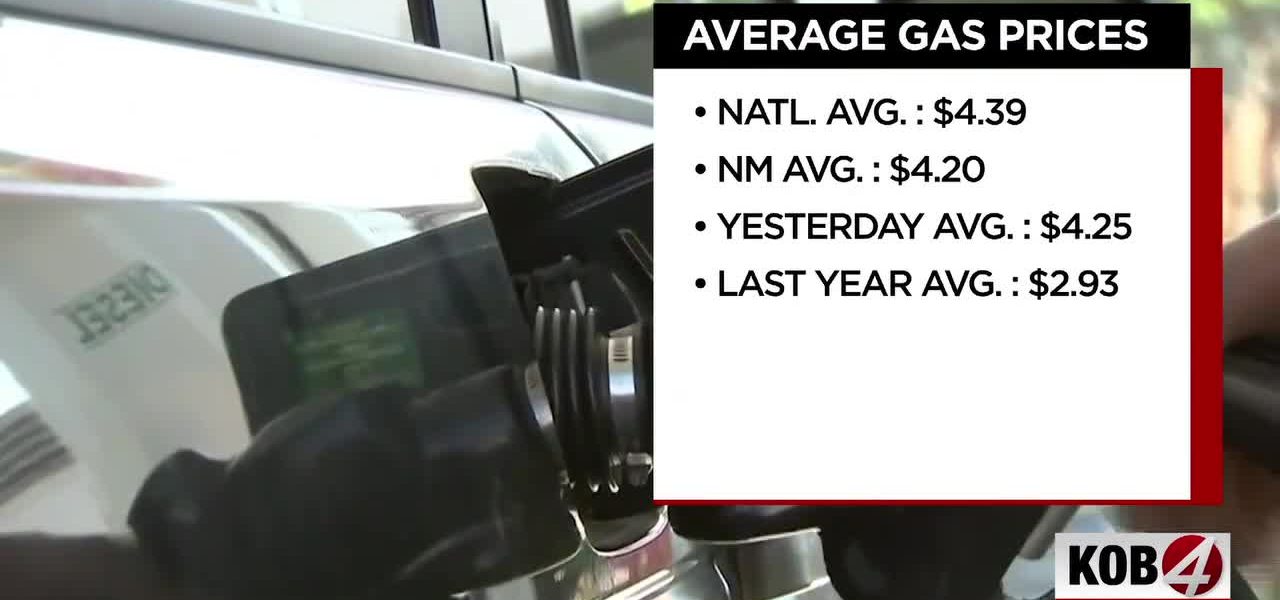
Down in New Mexico, where desert roads beckon adventurers and the open sky invites introspection, folks are seeing fuel around $4.20 a gallon. Not great. But they’ve actually caught a tiny break, down 5 cents from Wednesday, as AAA reports the national average is around $4.39 per gallon. Little comfort, honestly. Especially when you consider that drivers are still paying more than $1 more per gallon than they did at this time last year. One dollar. That’s a twenty-five percent hike on something you literally can’t do without for travel. It’s enough to make you just stay home, isn’t it?
Because let’s be real: this isn’t just about filling up the family minivan. This is about everything. Your morning coffee run, the kid’s soccer practice shuttle, the truck delivering your groceries. All of it’s upstream from that price at the pump. And when local schools like the two biggest districts in Albuquerque and Rio Rancho finally let out, it means more cars, more commuters, more vacationers trying to make good on summer plans they’ve probably had sketched out since Thanksgiving.
But how do you keep those vacation dreams alive when every gas station sign taunts you? Travel and Leisure magazine reports the weekend of June 19 and the Fourth of July will be the busiest times for summer travel. That’s peak demand, amigos. Peak demand meets constrained supply, or at least a highly priced one, and suddenly those sandy beaches feel a lot further away. Many folks are simply cutting back—shorter trips, fewer detours, maybe opting for that staycation after all.
This isn’t solely an American predicament, mind you. Across the globe, similar inflationary pressures and energy price hikes are creating headaches, especially for developing economies heavily reliant on fuel imports. Think about a nation like Pakistan, grappling with its own economic challenges and balancing act between securing energy for industry and everyday life, while facing a dollar against its own currency that makes every barrel of oil increasingly costly. A rising tide of global crude prices, driven by geopolitical instability or a resurgence in post-pandemic demand, doesn’t just hit New Mexico drivers; it sends shockwaves to the markets in Karachi, Lahore, and Islamabad, straining state coffers and testing the patience of citizens already enduring their own tough times. It’s a delicate game, maintaining economic stability when a country’s entire energy landscape is hostage to global oil markets and the petrodollar.
📄 POLICY WIRE WHITEPAPER PUBLISHED: PAKISTAN'S NATIONAL SECURITY POLICY PRIORITIES
👉 READ BY CLICKING HEREWhat This Means
The persistent bite of high gas prices isn’t just an inconvenience for holidaymakers; it’s a telling indicator of broader economic and political turbulence. For consumers, this translates directly into reduced disposable income. We’re already seeing it. That cash that might’ve gone into local eateries or quaint roadside shops now fuels the car instead. It’s an economic drag, period.
But there’s also a significant political dimension. Energy prices are a lightning rod for public dissatisfaction. Politicians, from city councilors to presidents, feel the heat when constituents grumble about their pump receipts. They’ll likely look for scapegoats—oil companies, international markets, past administrations. But shifting blame won’t fill a tank. The challenge is immense, because it forces tough policy choices: Do you tap strategic reserves? Negotiate with oil-producing nations, sometimes unsavory ones? Encourage domestic production, despite environmental concerns?
Because when people can’t afford to drive, they stay home. And when they stay home, they think about everything else that’s costing more. Housing, food, utilities—it all piles up. High fuel prices don’t exist in a vacuum; they interact with every other inflationary pressure in the economy. This phenomenon risks slowing growth, chilling consumer spending, — and perhaps even affecting electoral outcomes. An economic downturn, even a mild one, spurred by energy costs, tends to make electorates grumpy. But why wouldn’t they be? Their budgets are breaking, plain — and simple.
And let’s not ignore the larger, long-term implications. This perpetual cycle of price volatility reinforces the urgent, undeniable need for diversified energy portfolios and robust investment in sustainable alternatives. The world needs a solution that’s less exposed to the whims of faraway conflicts or the delicate balance of global oil supply chains, like those impacting the price of gas in regions under duress. Until then, strap in, because this roller coaster ride at the gas pump—it’s got a few more loops before it levels out. It’s just how it’s gotta be for a while.