


Embers of Despair: Kenya’s Deadly School Arson Forces a Hard Look at Youth in Crisis
POLICY WIRE — Nairobi, Kenya — It wasn’t the blaze itself, or even the immediate horror of young lives extinguished, that truly clawed at the nation’s collective conscience. No, it was...

POLICY WIRE — Nairobi, Kenya — It wasn’t the blaze itself, or even the immediate horror of young lives extinguished, that truly clawed at the nation’s collective conscience. No, it was the chilling, slow-dawning realization: the perpetrators weren’t outside agitators, but the students themselves. The discovery that pupils at the undisclosed Kenyan secondary school were allegedly responsible for the deadly fire, a tragedy that snuffed out the future of several children, casts a stark, unsettling light on the simmering frustrations within educational institutions.
This isn’t just about a school going up in flames. It’s about what drives adolescents—children, really—to such desperate, catastrophic measures. When the authorities whispered about ‘disciplinary issues’ and ‘student grievances’ behind the conflagration, they didn’t just explain an incident; they exposed a deeper wound. You can’t just lock away the arsonists — and call it done, can you? It begs uncomfortable questions about the pressures weighing on these kids, about systems that sometimes feel less like nurturing grounds and more like pressure cookers ready to blow.
“We’re grappling not just with ashes and grief, but with profound questions about what leads our young people to such desperate acts,” lamented Education Cabinet Secretary Ezekiel Machogu in a somber address, his voice heavy with the weight of expectation and failure. “It’s a wake-up call for our entire educational philosophy, a challenge we cannot afford to ignore.” And he’s right. Because when the caretakers become the destroyers, something is profoundly amiss in the social contract.
The Kenyan Directorate of Criminal Investigations (DCI) confirmed several pupils have been apprehended, facing grave charges. But catching the culprits — as the police are determined to do — is only one part of this dismal equation. Principal Deputy Inspector General of Police, Abdalla Komesha, put it bluntly: “Investigations continue, and while we’re still piecing together motives, the initial findings are clear. Several students are in custody. Justice, as harsh as it must be, will be pursued.” He didn’t need to add the unspoken part: the deep-seated rage it reflects. The tragedy immediately calls to mind other moments of public trauma, of communities grappling with the fallout from youth violence, like the struggles chronicled in “Paradise’s Peril: Aloha State Grapples with Aftermath of Triple Homicide Arrest.”
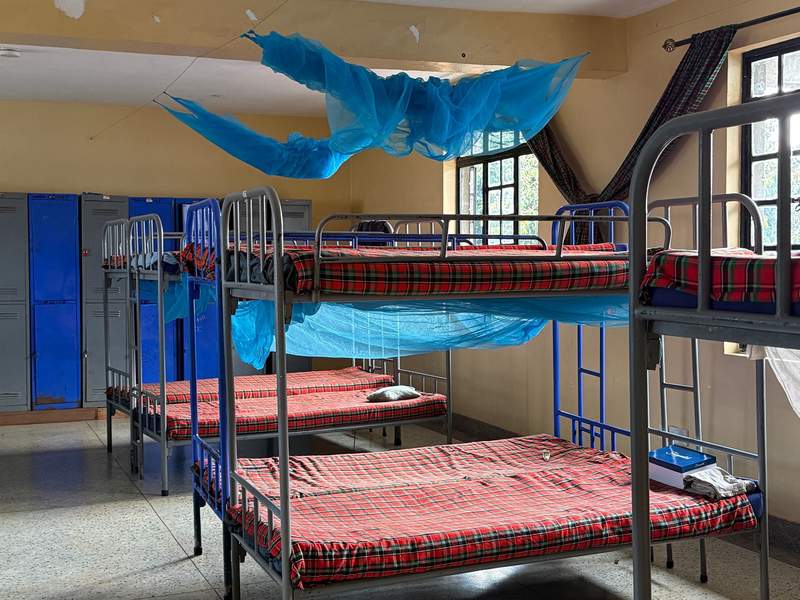
Kenyan boarding schools, once revered as cradles of discipline and academic excellence, have become flashpoints for unrest. A UNESCO report on education in Sub-Saharan Africa found that over 60% of secondary school students in Kenya attend boarding institutions, many operating under considerable resource strain and overcrowded conditions. This concentration of young people, often away from parental oversight and navigating intense academic and social competition, creates an environment ripe for tensions to escalate. Sometimes, they boil over into spectacular, awful violence. It’s an issue not unique to Kenya; similar pressures can be seen in educational systems across the Muslim world—from overcrowded madrassas in Pakistan where discipline is strict and alternatives often few, to underfunded residential schools elsewhere that grapple with ensuring student well-being amidst austerity and rapid social change. The universal truth is, children under pressure act out. And when it gets bad, it gets really bad.
The immediate narrative focuses on punitive measures, arrests, — and blame. But the more complex story is woven into the very fabric of Kenya’s education system—a system celebrated for its advancements yet plagued by examination pressure, insufficient counseling services, and, often, authoritarian disciplinary methods. It’s a combination that can break even resilient spirits, let alone those already teetering on the edge.
What This Means
The horrific incident isn’t just a localized tragedy; it’s a diagnostic, unflinching look at the raw nerves of Kenyan society. Politically, the government faces renewed pressure to not only bolster security in schools but to critically evaluate its educational policies. Expect a clamor for more counselors, fewer punitive measures, — and a more humane approach to student discipline. Economically, repeated incidents of school unrest translate to significant financial burdens, from rebuilding destroyed infrastructure to increased insurance premiums for educational institutions. It drains already stretched budgets, diverting funds from genuine academic development to repairing damage wrought by despair. the long-term societal cost—the erosion of trust, the traumatized students, and the communities grappling with unresolved grief and unanswered questions—is immense, and not easily quantifiable. If a country’s future lies in its youth, then seeing those same youth turn on the very institutions meant to nurture them should scare us all.
And so, as the smoke clears, the bigger picture emerges. This wasn’t just a fire. This was a scream. A tragic, heartbreaking scream that echoed not just across Kenya’s plains, but resonates globally among societies struggling with the unseen crises bubbling under the surface of their youth. The question isn’t simply who struck the match; it’s what ignited the fuel. We owe it to the victims, — and to the living, to find a real answer, not just easy ones.