


Chicago Mayor Seeks Papal Intervention in Ambitious Reparations Drive
POLICY WIRE — Chicago, USA — In the Byzantine corridors where faith, history, and raw municipal politics collide, Chicago’s Mayor Brandon Johnson has tossed a rather large,...

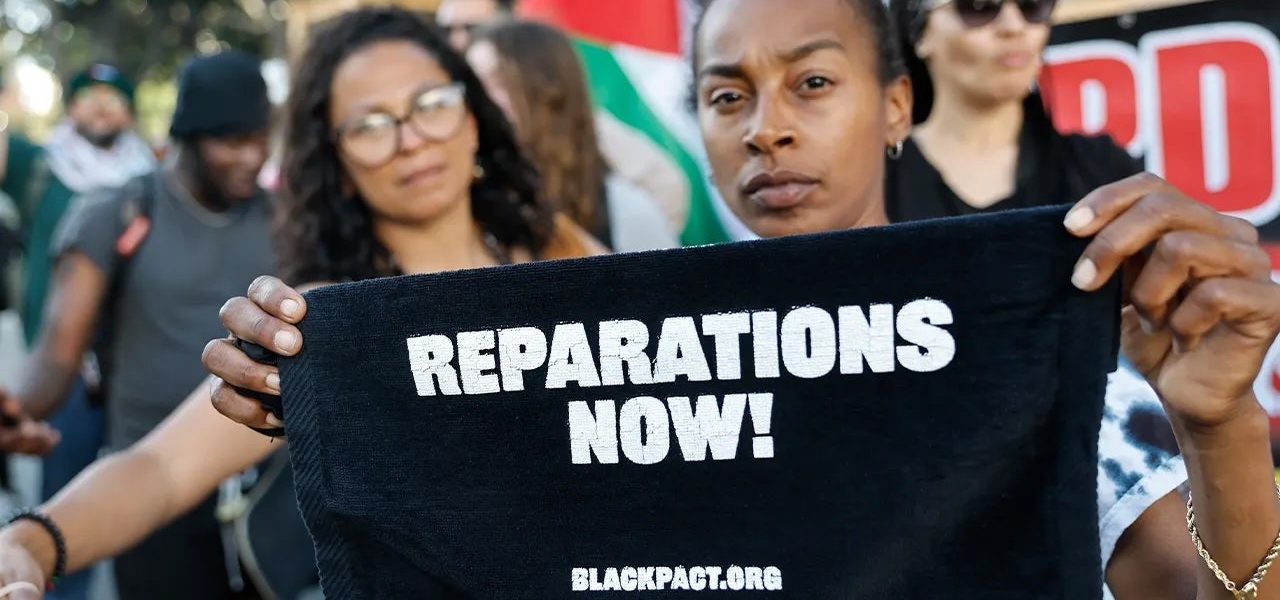
POLICY WIRE — Chicago, USA — In the Byzantine corridors where faith, history, and raw municipal politics collide, Chicago’s Mayor Brandon Johnson has tossed a rather large, intriguing pebble into the global pond. His aim? To enlist none other than Pope Francis in the city’s pursuit of reparations for Black Americans—an audacious move that has few precedents and opens up more questions than it answers.
It’s a political play so distinct, it almost feels like performance art. This isn’t about legislative haggling or budget amendments; it’s about moral suasion from the highest office of one of the world’s largest religious institutions. One can’t help but appreciate the sheer chutzpah. Johnson reportedly reached out to the pontiff, suggesting that Francis’s recent apology for the Catholic Church’s involvement in what he called the “scourge of slavery” provides a foundation—a moral mandate, even—for broader, more tangible action. [QUOTE_PLACEHOLDER]
The Mayor’s strategy isn’t exactly typical. Think about it: a city hall looking to the Vatican for a policy endorsement. This isn’t merely about PR; it’s a profound, if quixotic, attempt to elevate a local issue onto an international, ethically charged stage. The Pope, a man whose pronouncements can resonate from Manila to Minneapolis, offers an echo chamber unmatched by any earthly legislature. And he’s already laid some groundwork. His remarks – a genuine reckoning with a painful past, for some – did offer a sort of global mea culpa. Mayor Johnson, shrewd politician that he’s, simply wants that mea culpa translated into a material assist for his city’s agenda.
Because, let’s face it, reparations are sticky. Chicago, like many American cities, has a long, brutal history of systemic racial discrimination, redlining, and wealth extraction. Discussions about compensating descendants of slavery and Jim Crow laws regularly spark fiery debates, often descending into paralyzing political gridlock. Estimates for comprehensive national reparations programs can range into the trillions. Even modest city-level initiatives are financially — and politically complex. According to a 2022 Brandeis University study, for instance, the median Black household in the U.S. possesses just 15 cents of wealth for every dollar held by a white household, a stark indicator of historical inequities. That’s a grand canyon-sized wealth gap, and addressing it, even symbolically, takes guts—and perhaps, divine intervention.
Johnson’s appeal suggests he’s seeking more than just a nod. He likely hopes the Pope’s backing could lend an unimpeachable moral authority to the reparations cause, making it harder for opponents to dismiss as simply “too expensive” or “impractical.” If the Church itself acknowledges its complicity and the enduring damage, the argument goes, then who are secular powers to demur? It shifts the conversation from partisan wrangling to a higher moral plane—a risky but potentially transformative gambit.
This isn’t the first time a major religious figure has been drawn into complex geopolitical and social struggles. In many parts of the Muslim world, religious scholars and leaders frequently issue fatwas or pronouncements that hold significant sway over public discourse and even policy decisions, particularly in areas touching social justice or historical grievances. Consider the long-standing demands for apologies and restitution for colonial-era resource exploitation and systemic injustices that continue to echo through nations like Pakistan or those in the broader South Asian region. They’re not seeking papal endorsements, obviously, but the principle—the invocation of high moral authority to correct historical wrongs—finds common ground. It’s all about leverage. Here, Mayor Johnson’s move plays directly into that historical tradition of religious institutions acting as arbiters or accelerators of justice, albeit through a highly localized, secular lens.
📄 POLICY WIRE WHITEPAPER PUBLISHED: PAKISTAN'S NATIONAL SECURITY POLICY PRIORITIES
👉 READ BY CLICKING HEREBut there’s a flip side. What, precisely, would Papal intervention look like? A direct encyclical demanding financial payments? That’s a stretch. A symbolic endorsement, while powerful, doesn’t fund programs or win legislative majorities. And if the Pope does engage, where does it stop? Will every city with a reparations committee suddenly start lobbying the Vatican? It sets a fascinating, if potentially messy, precedent for the perilous politics of delegation.
What This Means
Mayor Johnson’s outreach to the Pope isn’t a mere publicity stunt; it’s a strategic maneuver designed to reframe the contentious reparations debate. Politically, securing even a symbolic statement from the Vatican could provide Chicago’s progressive leadership with immense moral ammunition, allowing them to counter fiscal objections with ethical imperatives. It might also energize local activists — and put increased pressure on reluctant state and federal legislators. However, it also risks alienating some segments of the electorate who view such a move as inappropriate entanglement of church and state, or as an overreach for a municipal leader.
Economically, the impact is less direct but still significant. While the Vatican isn’t about to cut a check, a Papal endorsement could shift the Overton window, making public and private funding for reparations initiatives more palatable. It could inspire other religious — and philanthropic organizations to contribute to existing or nascent funds. The biggest implication, however, is a long-term one: it positions Chicago, and by extension the U.S., as a global leader in addressing historical racial injustice through novel approaches. And if successful, it might pave the way for other cities or even nations wrestling with colonial legacies—perhaps even those grappling with the “cycles of strain” from their own historical traumas—to consider international or religiously-affiliated avenues for justice.