

Fleeting Showers Offer Cold Comfort as New Mexico Braces for Perennial Thirst
POLICY WIRE — Santa Fe, N.M. — It wasn’t the kind of rain that washes away the future, not by a long shot. But for a few fleeting days, New Mexico saw skies weep enough to nudge May’s...

POLICY WIRE — Santa Fe, N.M. — It wasn’t the kind of rain that washes away the future, not by a long shot. But for a few fleeting days, New Mexico saw skies weep enough to nudge May’s rainfall figures above average, a temporary reprieve for a land constantly battling the dust. And now, as temperatures inch higher and the desert anticipates its often-fickle monsoon season, the subtle shifts in the heavens throw into stark relief the state’s gnawing, existential challenge: water, or the lack thereof.
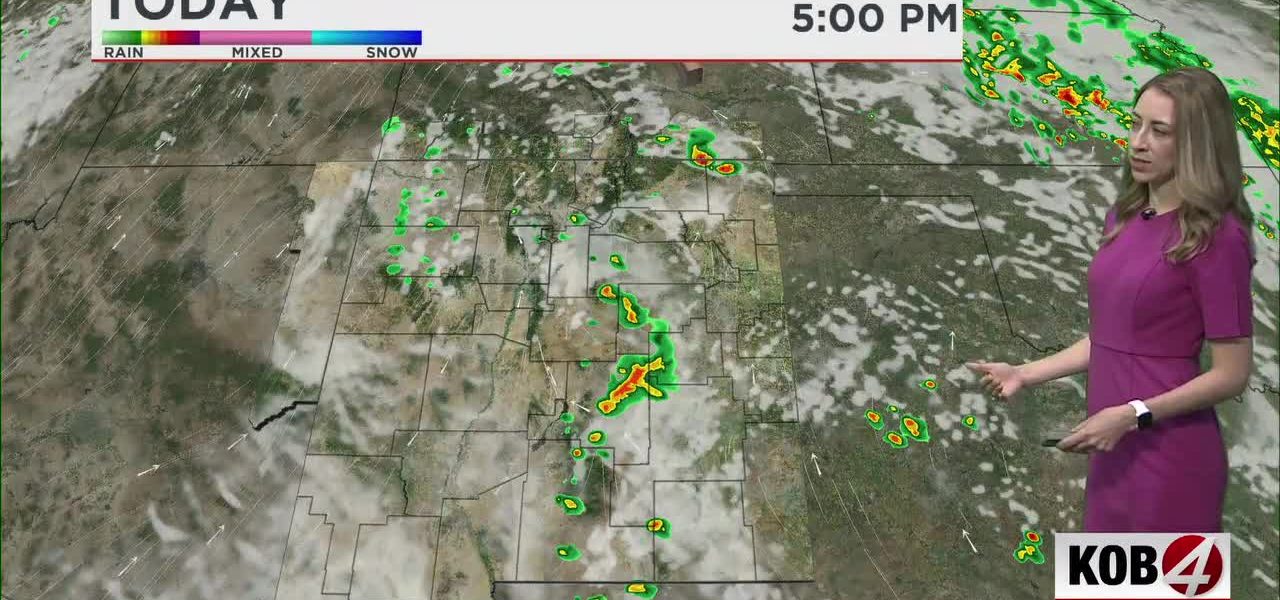
Meteorologist Amanda Goluszka, whose job it’s to quantify the caprices of the atmosphere, pointed to showers that had “almost that preview of monsoon season.” Pretty benign stuff, you might think. But here, every drop carries geopolitical weight. This brief soaking, mostly benefiting the state’s mid-section and western reaches (with Albuquerque only seeing a slight chance of relief), arrives even as red flag warnings for wildfire persist elsewhere, a stark reminder that one person’s blessing is another’s potential blaze.
It’s the cycle, right? You get a little rain, people breathe, then the heat clamps down. The state — its farmers, its cities, its sprawling cattle ranches — hinges on the monsoon, that tempestuous dance from June 15 to September 30. That’s just a couple of weeks off, — and everyone’s got their fingers crossed. Because, let’s be honest, those few showers don’t rewrite the saga of an American Southwest increasingly parched, facing down an undeniable climatological reckoning.
This isn’t just about lawns and agriculture; it’s about interstate compacts, federal funding, and the very viability of communities. Governor Michelle Lujan Grisham (D), often outspoken on resource management, acknowledges the ongoing tightrope walk. “We can’t simply pray for rain — and call it a day,” she reportedly stated recently. “We’re making serious investments in water conservation technologies, in infrastructure, and, frankly, in re-learning how to live with less. This isn’t just an environmental issue; it’s an economic mandate.” Her administration, you see, isn’t keen on seeing the state’s vibrant economy dry up with its rivers.
And it’s a conversation that echoes far beyond the arid expanse of the U.S. Southwest. Take Pakistan, for example. Millions there are utterly dependent on their own monsoon season, facing yearly deluges and droughts that often swing wildly between catastrophic floods and desiccating dry spells. Water, in both New Mexico and nations like Pakistan, isn’t merely a resource—it’s a constant variable in political stability, agricultural output, and even international relations. They’re both stuck with highly variable rain. In New Mexico, specifically, our reliance on the vast Colorado River system is tenuous; Lake Mead, a vital cog in that basin, currently sits at a startling 38% of its full capacity, according to the U.S. Bureau of Reclamation. Not exactly what you’d call brimming.
Even a brief spate of rain, however welcome it may be for momentary relief and those thirsty New Mexico soils, doesn’t address the systemic strain. It simply highlights it, doesn’t it? It pushes the needle for May, sure, but what about July, what about next year? Federal legislators know the score. “We’re working across the aisle to get some real dollars flowing to water infrastructure projects,” said U.S. Senator Martin Heinrich (D-NM), when pressed on the issue during a recent Albuquerque visit. “This isn’t about politics; it’s about ensuring folks can still farm, can still drink, — and can still build a life here. And that means serious, long-term policy solutions, not just patching potholes.” It’s all hands on deck, but the well, it’s only so deep.
📄 POLICY WIRE WHITEPAPER PUBLISHED: PAKISTAN'S NATIONAL SECURITY POLICY PRIORITIES
👉 READ BY CLICKING HEREThe stakes couldn’t be higher. This isn’t just a weather report; it’s a constant, pressing policy concern. That minor blip of rain might feel nice for a day or two. But it barely touches the decades-long question marks looming over this corner of the world. Because for the policymakers, every cloud isn’t just rain; it’s a policy challenge.
What This Means
The ephemeral moisture in New Mexico highlights the deep, systemic vulnerabilities facing arid regions globally, driving home the urgent need for comprehensive policy shifts. Politically, the fluctuating weather fuels fierce debate over water rights—especially among Native American tribes, agricultural interests, and rapidly growing urban centers. Governors like Lujan Grisham find themselves constantly negotiating interstate compacts, balancing local needs against regional demands in river basins like the Colorado. Economically, this unpredictability imposes immense costs, from crop insurance premiums skyrocketing to potential municipal water restrictions stifling development. Businesses are looking for stability; they’re not getting it here.
federal engagement becomes increasingly critical, transforming what was once a local environmental concern into a national infrastructure and security imperative. The contrast with regions like Pakistan, which routinely grapple with both devastating floods and chronic water shortages linked to climate change, underscores a shared global challenge that transcends borders. For New Mexico, these fleeting showers offer a fleeting sense of security, yet serve as a perpetual reminder: relying on nature’s whims alone is a gamble, and policy, not prayer, is the long-term play. It’s an issue that simply won’t go away.