


World Cup’s Quiet Specter: England-Argentina Clash Battles Ghosts of the Past
POLICY WIRE — ATLANTA, USA — Ignore the calendar. Forget the current form guides. When England meets Argentina on a pitch, particularly one that leads to a World Cup final, the true competition often...

POLICY WIRE — ATLANTA, USA — Ignore the calendar. Forget the current form guides. When England meets Argentina on a pitch, particularly one that leads to a World Cup final, the true competition often takes place not between 22 players, but between two nations wrestling with decades of shared—and distinctly different—grievances. It’s an exercise in performative amnesia, really. A cynical ballet where coaches and athletes insist it’s just another game, while every fan in the stands—and a billion more watching globally—knows better.
England manager Thomas Tuchel, for his part, tried to wave away the specter of history like an annoying gnat. Speaking on Tuesday, the day before the high-stakes encounter, he offered up the kind of calculated diplomatic boilerplate one expects from such situations. He understands, he acknowledged, that If a fixture provides … so many iconic moments, I think you cannot just say it’s just another football match. But, naturally, a manager’s job demands focus. And so, as a coach, we do exactly that, focus on what we can influence. [QUOTE_PLACEHOLDER]
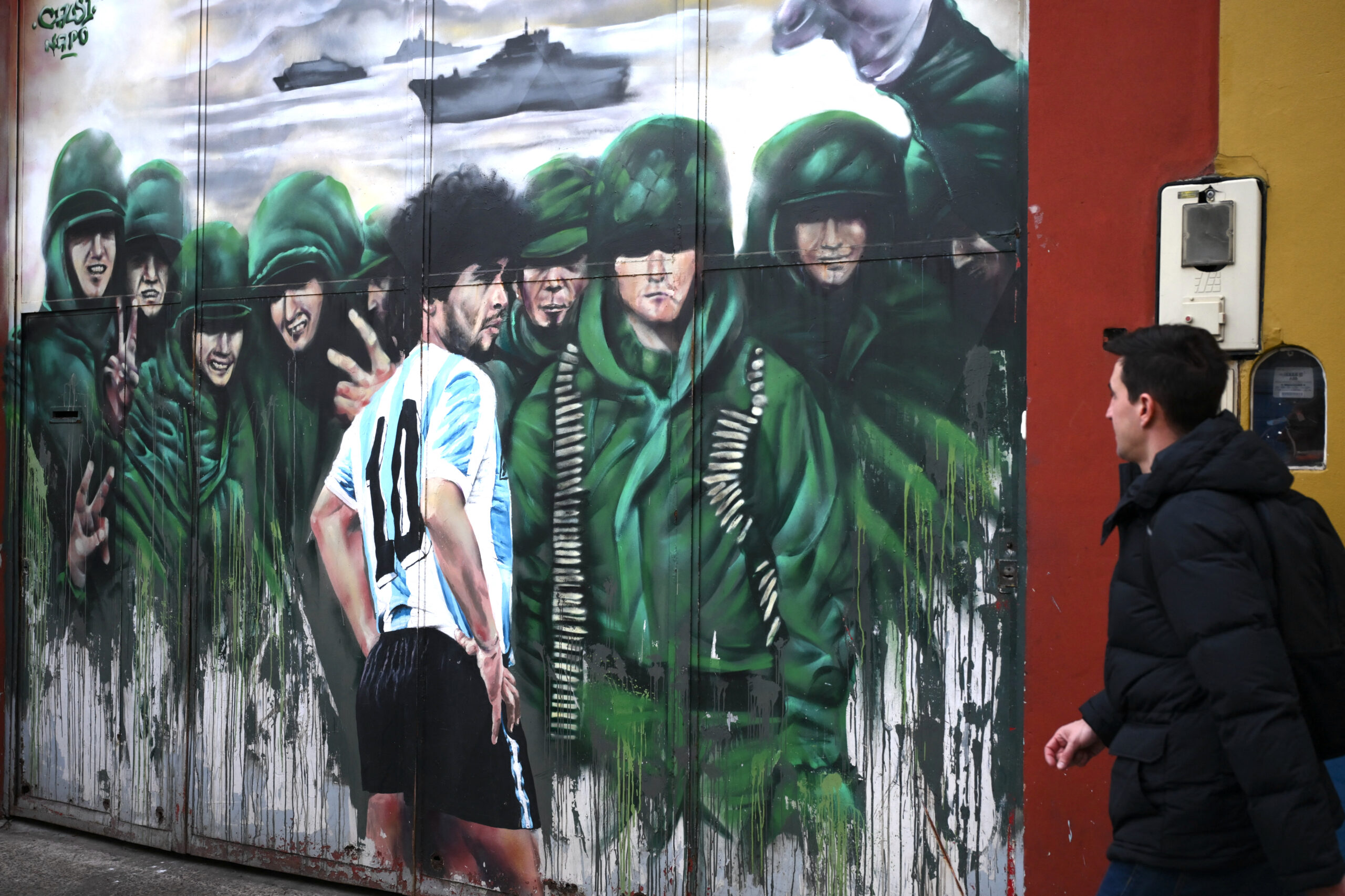
It’s a quaint notion. Almost adorable, actually, given the history these two titans of the global game drag onto the field like chains. They’ve gone head-to-head only 14 times over 75 years, which isn’t much. But what games they were. Enough to fuel generations of partisan ire. The phantom of the The Hand of God still sends shivers down English spines, an ethereal injustice carved into their sporting psyche. But that pales in comparison to the Falklands War. An honest-to-goodness, declared or not, military conflict that stole nearly a thousand lives.
Argentine manager Lionel Scaloni echoed Tuchel’s weary sentiments, attempting to hermetically seal the past from the present. The reality is that it’s a football match. I can’t mix things up — especially out of respect for what happened so many years ago, Scaloni explained. His reasoning is simple, stark. It was a very sad period in our history, — and there isn’t much we can do about it now. That’s the reality. It’s a football match; that’s all there’s to it. So, mixing the two would be crazy. But isn’t the sheer weight of expectation, the hushed fury bubbling beneath the surface, proof that the two are inextricably mixed? Maybe a little bit crazy is just part of the deal.
Player comments followed the well-worn script, naturally. England defender Marc Guéhi, probably told what to say (bless his heart), gave the blandest of soundbites: It’s an exciting game. Two big football nations, two nations with great history. And because everyone’s on message, So it’s just exciting for us as players to be involved in such a big game on such a big occasion. How you manage to be involved in such a significant event, yet simultaneously disconnect from its significance, remains a mystery of modern sports psychology.
Many of these athletes were barely toddlers when these two last clashed two decades ago. They weren’t even born when the notorious 1982 Falklands War concluded, a 74-day conflict where official records indicate 649 Argentinian and 255 British military personnel died, as reported by the UK Ministry of Defence. History, for them, is a dusty footnote their public relations minders warn them away from. England defender Ezri Konsa simply stated, That was before my time, adding, Look, we just have to focus on ourselves, try and forget about the history behind it, don’t get too fueled up about it and go out there and do what we know we can do best. It’s the pragmatic approach of the professional athlete, taught to minimize anything outside the lines. And it makes sense, from a certain vantage.
But what if those outside influences aren’t just external, but foundational to identity? What if the collective memory, etched into national narratives and handed down from father to son, informs everything, from voting habits to indeed, how one feels about a football match? Consider, for a moment, the enduring, almost theological, rivalry between Pakistan — and India on the cricket pitch. Here too, sporting contests transcend mere games, becoming proxy battles for deeper geopolitical wounds—the trauma of partition, competing nationalisms, and a nuclear standoff often finding symbolic expression in a well-bowled Yorker or a glorious six. The fervor is identical, the undercurrent of historical burden palpable. Like the Falklands War for Argentina and England, the subcontinent’s conflicts don’t stay neatly confined to history books or policy discussions. They echo in every stadium.
What This Means
This match isn’t merely a contest of athleticism; it’s a finely choreographed avoidance of deeper truths, a temporary truce in an emotional war that’s never truly ended. For politicians in Buenos Aires — and Westminster, the narratives spun around such games can be remarkably potent. A win can be reframed as national vindication, a moment of triumph over a historical aggressor. A loss can reignite long-dormant resentments, providing fodder for populist rhetoric that blames external forces for domestic woes.
Economically, such high-profile clashes don’t shift macroeconomic indicators, of course, but the ripple effects are real. Increased tourism, merchandise sales, and even spikes in national productivity (or, conversely, dips due to distracted workplaces) are all tied to national sporting success. More broadly, the world watches, and perceptions of national vigor, unity, and resilience are forged, or at least reinforced, in these cultural crucible moments. Argentina’s deeply held feelings around the Falklands are no less real today than they were 40 years ago; neither are England’s memories of the conflict. When these nations collide in sport, that history is always a ghost in the machine.
So, the managers, bless ’em, will continue their pre-match rituals of downplaying — and dismissing. They’ll tell their players, We don’t speak about the historic events, we don’t speak about the iconic moments. It’s in itself iconic enough — and the tension is big enough, so we try exactly the opposite. Because, as Tuchel stated plainly, The magnitude of the matches is just what it’s. I think it doesn’t help if we engage emotionally. It’s sensible advice, if ultimately futile.
But that’s their job. The rest of us? We’re here for the emotional engagement. We’re here because we know that sometimes, what happens on a football pitch is far more than just football. It’s a drama. It’s a memory. It’s a reflection of who we’re, or who we think we’re, on the global stage. And the only thing we know for sure is that when that whistle blows, those ghosts will certainly be watching.