

Cricket’s Cruel Comedy: An Understudy’s Ascent Rewrites IPL Lore
POLICY WIRE — DHARAMSALA, India — The script was, frankly, dreadful. A forgotten man, unceremoniously jettisoned, then recalled only as a last resort because another player got hurt. No grand...

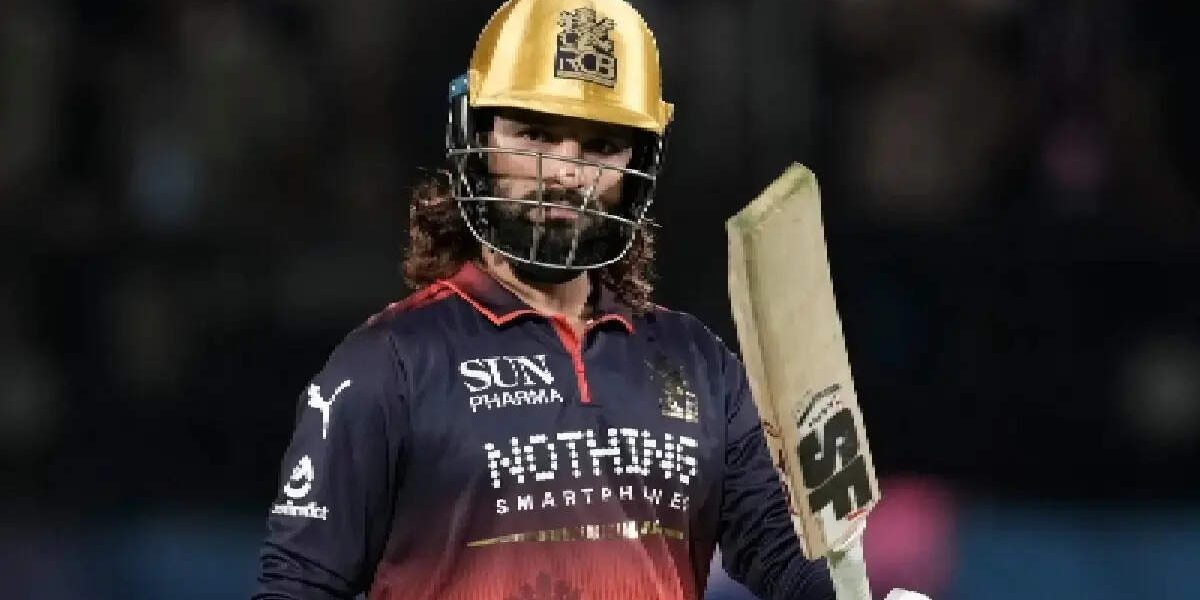
POLICY WIRE — DHARAMSALA, India — The script was, frankly, dreadful. A forgotten man, unceremoniously jettisoned, then recalled only as a last resort because another player got hurt. No grand comeback narrative, no tearful reconciliation. Just a series of administrative footnotes that accidentally birthed a dynasty. That’s how Rajat Patidar—yes, *that* Patidar—became the architect of Royal Challengers Bengaluru’s improbable run to successive Indian Premier League (IPL) finals. But it’s never about just cricket, is it? Not when billions of dollars — and the hopes of a subcontinent hang on every six and wicket.
See, it wasn’t some visionary management move that hauled Patidar back into the RCB fold for IPL 2026. It was Luvnith Sisodia’s unfortunate injury. One twisted ankle, one minor inconvenience in the grand, cacophonous circus that’s the IPL auction, and suddenly a discarded player gets another swing. The same Patidar whom RCB had cut loose after a fairly nondescript 2021 season; the one no other franchise bothered to pick up in the subsequent auction. And because the system needed a warm body, a placeholder, he stepped back into the breach.
He didn’t just fill a gap, though. He exploded it. Remember the 54-ball 112 against Kolkata Knight Riders in an Eliminator match? Yeah, that’s when everyone finally started paying attention. But Patidar, ever the anti-hero, quickly deflected praise. “It wasn’t just me; it was a super game for us because everyone was hitting the ball so hard. That’s what changed things,” he muttered after that match, seemingly uncomfortable with the spotlight. It’s a leadership style so understated, it’s almost subversive in a league designed for maximum celebrity.
His elevation to captaincy ahead of last year’s season wasn’t exactly met with universal cheer. Eyebrows lifted. Patidar, leading stalwarts like Virat Kohli? The thought alone felt like a prank. But the team management, for whatever reason—maybe sheer exhaustion from chasing bigger, shinier names—stuck by him. And they’ve been proven right. Mo Bobat, RCB’s Director of Cricket, recently put it plainly: “He commands the dressing room without shouting about it. Doesn’t seek attention. But he’s got this knack for making the tough decisions in a totally calm, straightforward way.” It’s the kind of leadership that feels almost archaic, an anomaly in a sport increasingly obsessed with analytics and branding.
And that quiet influence resonates, you know? Not just in the huddle, but culturally. Across South Asia—from the bustling lanes of Lahore to the high-rises of Mumbai—the story of the forgotten individual rising through sheer grit against a backdrop of inherited privilege or fleeting fame is gold. The IPL itself, a juggernaut that boasts 538 million unique viewers across television and digital platforms in its last full season, according to Broadcast Audience Research Council (BARC) India figures, thrives on these narratives. It’s not merely a sporting league; it’s a modern epic unfolding in real-time, watched with an almost religious fervour, shaping public discourse on merit, opportunity, and the fickle nature of fortune.
📄 POLICY WIRE WHITEPAPER PUBLISHED: PAKISTAN'S NATIONAL SECURITY POLICY PRIORITIES
👉 READ BY CLICKING HEREPatidar, as only the fifth captain in IPL history to guide his franchise to consecutive finals, isn’t just setting records; he’s challenging the very philosophy of star-driven sports. Because sometimes, the hero isn’t the one everyone’s talking about, but the quiet individual who simply refuses to quit, even when the market and the critics have already written them off.
What This Means
Patidar’s unlikely journey isn’t just a feel-good cricket story; it offers a trenchant lesson in strategic decision-making and human capital, especially within the volatile South Asian economic landscape. For franchises, it highlights the blind spots in auction strategies, which often prioritize established brand names over unearthed potential or second-chance candidates. It suggests that player performance, when freed from the intense pressures of superstar expectation, can genuinely surprise—and disrupt—market valuations. Teams spending hundreds of millions on a marquee player might learn something from RCB’s accidental discovery.
Economically, it underscores the speculative nature of player investments in mega-leagues like the IPL. An injury to an unremarkable player (Sisodia) opened a slot, leading to unforeseen dividends. This ‘butterfly effect’ has broad implications for how player welfare is managed and how contingency planning affects a franchise’s bottom line. For aspiring players across India, Pakistan, Bangladesh, and beyond, it’s a narrative of hope—a subtle rebellion against the tyranny of early setbacks, confirming that quiet persistence can indeed outweigh initial rejections. It reinforces the idea that true value isn’t always reflected in the opening bid; sometimes, it’s unearthed through unexpected circumstances, a testament to the fact that talent often exists just beneath the surface, waiting for the slimmest opportunity to ignite. Perhaps other teams, like those eyeing big-ticket signings in European football’s transfer windows, should take note. Because a 70 million Euro gamble on a proven star carries different risks than an unexpected surge from within.