


Beijing’s Export Drive: EVs Roar Abroad as Domestic Market Flinches
POLICY WIRE — Washington D.C., USA — It’s a familiar dance on the global economic stage: an industrial powerhouse pivots, sending its goods far afield when things get a bit… sticky at home. China, it...

POLICY WIRE — Washington D.C., USA — It’s a familiar dance on the global economic stage: an industrial powerhouse pivots, sending its goods far afield when things get a bit… sticky at home. China, it seems, isn’t just doing a jig; it’s performing a full-blown automotive ballet, projecting its electric vehicle might into the international arena even as its own consumers develop cold feet for shiny new cars.
While reports indicate a noticeable dip in domestic vehicle purchases, Beijing’s auto industry hasn’t missed a beat. It’s simply rerouted its ambition. We’re talking about an export strategy so aggressive, so utterly dominant, it’s making heads spin from Stuttgart to Detroit. According to the China Association of Automobile Manufacturers (CAAM), China’s passenger car exports in June increased by 80% year-on-year. That’s not a typo. Eighty percent. In a single month. That kind of raw acceleration usually only happens on a Formula 1 track, not in a national trade balance. It’s a move that’s got everyone, from economists to security hawks, scratching their chins, trying to figure out if this is pure genius or just a slightly less contained economic bubble finding an exit ramp. [QUOTE_PLACEHOLDER]
Because, make no mistake, this isn’t just about selling more cars. This is about establishing global market dominance, about locking in supply chains, — and about setting standards. It’s about securing future energy independence—for those who buy the cars, and perhaps, more tellingly, for China itself, which seeks new markets for its colossal industrial output. They’ve built the capacity; now they’re filling the ships.
And where are these electrified chariots heading? Everywhere, of course. Europe, Southeast Asia, Latin America. But don’t overlook the increasingly strategic markets closer to Beijing’s Belt — and Road initiatives, such as Pakistan. Imagine a flood of competitively priced, cutting-edge EVs landing in Islamabad or Karachi, sidestepping the often higher-priced Japanese or European options. For a country like Pakistan, grappling with energy costs and looking to modernize its infrastructure, cheap and efficient transport could be a game-changer. It’s not just commerce; it’s a foreign policy tool wrapped in sleek automotive design. It provides China with expanded influence, a ready-made market for its goods, and potentially—a friendly geopolitical outpost for future strategic interests. It’s all part of the playbook.
The domestic market, though, presents a curious counterpoint. Chinese consumers, grappling with economic uncertainties and a slow post-pandemic rebound, aren’t exactly queuing up for new cars with the same fervor. Property woes, employment jitters, and a general tightening of the purse strings mean those factories, primed to churn out millions of vehicles, need outlets. And overseas is proving to be a mighty big outlet indeed. It’s a pragmatic, if slightly concerning, imbalance. The sheer volume of Chinese manufacturing capability demands a global stage. The alternative is factory slowdowns, job losses—a mess no government, especially one in Beijing, wants on its hands.
📄 POLICY WIRE WHITEPAPER PUBLISHED: PAKISTAN'S NATIONAL SECURITY POLICY PRIORITIES
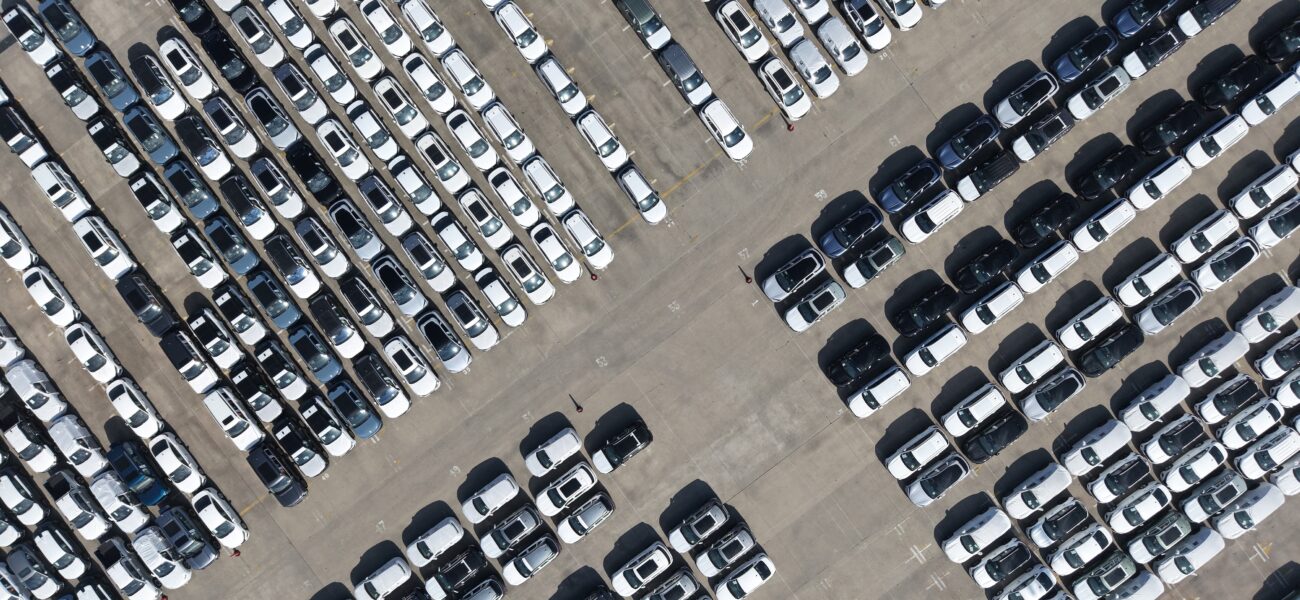
👉 READ BY CLICKING HEREBut how sustainable is this strategy? It raises legitimate questions about international trade fairness, potential tariffs, and whether other nations will simply absorb this massive influx of Chinese-made vehicles. The protectionist rhetoric, already loud in Washington and Brussels, isn’t likely to quieten down as shipping containers full of Chinese EVs continue to stack up on docks worldwide. And it’s not just Europe or America watching; neighboring manufacturing economies, like those in South Korea or Japan, are keenly observing this shifting landscape, understanding that their own export prowess is directly in the crosshairs. But hey, that’s business, right? Ruthless, relentless business.
What This Means
This export explosion signifies a tectonic shift in the global automotive industry. First, it entrenches China’s position as a dominant force in the rapidly growing EV segment, not just as a manufacturer for domestic consumption but as a major exporter. This gives Beijing immense leverage in trade negotiations and a clear advantage in shaping future automotive technologies and supply chains. Politically, it deepens economic interdependencies, particularly with developing nations in South Asia and the Muslim world where China’s Belt and Road initiatives already have significant traction. Countries like Pakistan might find themselves increasingly tied to China’s industrial and economic rhythms, offering an attractive, high-quality, and more affordable alternative to traditional automotive suppliers. Economically, while the short-term domestic sales dip might seem like a hiccup, the export boom acts as a powerful offset, maintaining manufacturing output and employment. But it also sets the stage for increased trade friction and calls for protectionist measures from other manufacturing giants. It’s a zero-sum game, or at least it’s perceived that way. It’s not just about what car you drive, it’s about whose economy you’re fueling.
The longer-term implications are just as fascinating. As these EVs permeate global markets, they build brand recognition and create dependencies on Chinese technology and infrastructure for charging and maintenance. That’s a significant soft power play. Remember, China’s looking to be a leader, not just a workshop. Asia’s perilous dance for self-interest has always included balancing giants; now it involves Chinese batteries. We’re seeing the outlines of a new global automotive order, where the East isn’t just rising; it’s driving the electric revolution. And who can really argue with Beijing’s unwavering hand when it’s got an 80% growth figure to back its plays?