


Eagle’s Nest Under Threat: An Echo of War, A Decades-Long Debt Repaid
POLICY WIRE — Washington, D.C. — Not all battle scars are etched into granite or memorialized in solemn ceremony. Some, you’d never see, until a team of explosive specialists, with the patient...

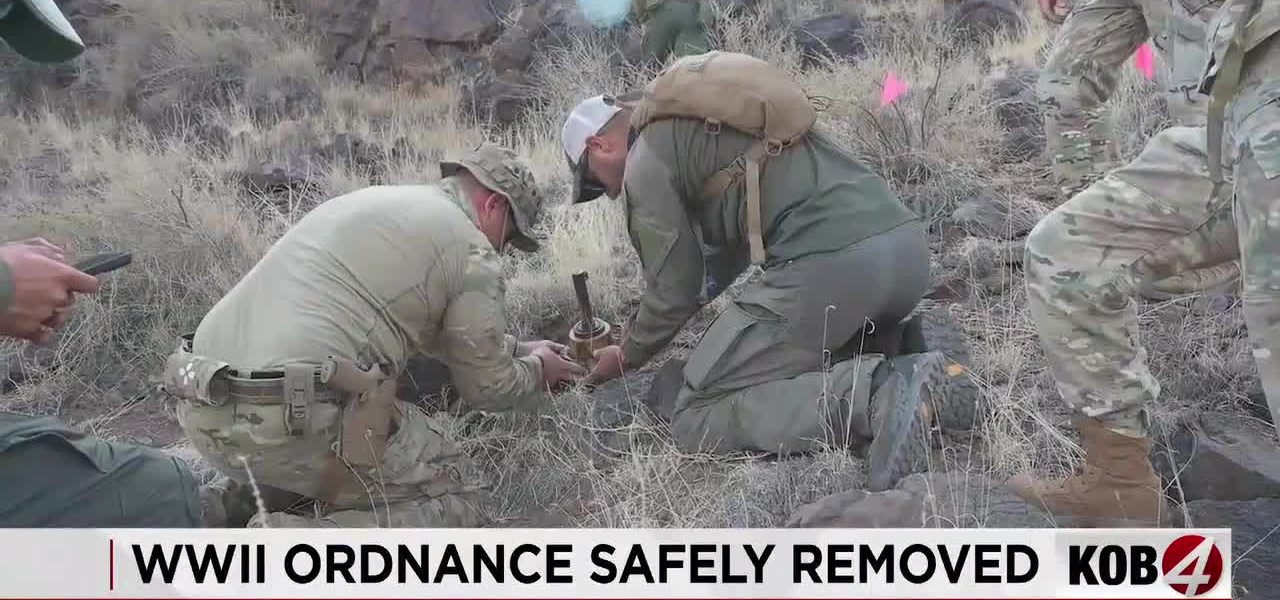
POLICY WIRE — Washington, D.C. — Not all battle scars are etched into granite or memorialized in solemn ceremony. Some, you’d never see, until a team of explosive specialists, with the patient deference of a quiet undertaker, digs them up, a silent, rusting testament to a war fought oceans and decades away. We’re talking about a World War II-era practice bomb here—discovered not in some dusty military archive, but embedded deep within Badger Butte, on the ancestral lands of the Acoma Pueblo in New Mexico.
It sounds like a quirky aside in history, doesn’t it? But really, it’s a stark reminder of humanity’s persistent knack for leaving explosive breadcrumbs across the landscape. Kirtland Air Force Base’s 377th EOD flight didn’t just stumble upon this thing; its removal just last Wednesday caps off an operation that has been running for over a year, working hand-in-glove with the Pueblo of Acoma. And here’s the kicker: it was all happening perilously close to a protected eagle nest. Talk about putting our priorities straight (finally, that’s). [QUOTE_PLACEHOLDER]
These lands, you see, were once vast training corridors for the military during WWII. We poured personnel and ordnance into them, using the raw desert as a proving ground, forgetting that someday people would actually, you know, live there, or eagles would nest. Those unexploded ordnance (UXO) remainders— legacy hazards, as they call ’em — have quietly sat there ever since, like unwanted souvenirs of past conflicts.
It’s a long process to get these things gone, mind you. But it’s vital. Just look at the worldwide picture: globally, reports suggest unexploded ordnance causes tens of thousands of casualties annually, impacting everything from farming to infrastructure development, with estimated clean-up costs reaching into the billions each year across conflict-affected regions. This isn’t just about New Mexico; it’s a global headache, — and frankly, a moral obligation for those who left the mess.
And it ain’t just bombs either; they’re finding all kinds of legacy equipment out there. For the Pueblo of Acoma — and other indigenous communities, it’s an even more layered issue. Their land isn’t just real estate; it’s cultural heritage, sacred ground. Every square inch has meaning. To have it contaminated by a forgotten piece of someone else’s war—it’s an affront. But this operation saw a genuine collaboration. That’s something. The team, we’re told, worked closely with the Acoma Pueblo and environmental experts to successfully and safely remove the explosive.
Master Sgt. Scott Underdahl, 377 EOD section lead, articulated the collective relief, stating, I am pleased to declare the completion of the Acoma Eagle Nest Permit and UXO saga that started all the way back in March 2025. Wait—2025? (One can only hope that’s a typo, not a grim prophecy about bureaucratic timelines, eh?) But he did say everything went smoothly and, most importantly, it was a safe operation. It’s the small victories, you know.
He added that the operation also gave them real-world training in a complex — and rugged environment. That’s good, too. You want your EOD guys to be sharp, and a live, forgotten WWII bomb near a national bird’s nursery certainly beats a simulator, doesn’t it? The effort necessitated careful planning with environmental experts and tribal leaders—a blend of scientific savvy, military precision, and deep respect for cultural sovereignty.
📄 POLICY WIRE WHITEPAPER PUBLISHED: PAKISTAN'S NATIONAL SECURITY POLICY PRIORITIES
👉 READ BY CLICKING HEREBecause ultimately, this wasn’t just about an explosive device; it was about honoring land, wildlife, — and history. It’s about remembering that the costs of war don’t always end with the signing of a peace treaty or the last bullet fired. Sometimes, they linger, unseen, a quiet menace to future generations, until someone makes the deliberate, patient effort to clean up the wreckage of yesteryear.
What This Means
The removal of a seventy-plus-year-old practice bomb on Native American land, especially near a protected eagle nest, isn’t just a quirky local news item. It’s a vivid snapshot of larger, interconnected issues concerning environmental responsibility, federal-tribal relations, and the enduring geopolitical costs of conflict.
From an environmental standpoint, it shines a harsh light on the ecological footprint of past military activities. These aren’t pristine wildernesses anymore, but lands pocked with dangerous reminders that continue to harm wildlife and inhibit land use for indigenous communities. Politically, this careful, yearlong operation signifies a hard-won, if slow, progress in federal agencies truly engaging with tribal nations as sovereign entities—consulting, collaborating, not just dictating.
But there’s also an economic angle. The sheer expense — and painstaking nature of such clear-up operations are astronomical. This single project took over a year. Multiply that across vast swaths of New Mexico — and other states where WWII training occurred. Then consider places like Pakistan and Afghanistan, where decades of conflict have left an overwhelming and deadly UXO burden. Imagine the immense resources needed there—it’s a colossal impediment to economic development and human security. While the US deals with remnants from a war almost a century past, countries in South Asia grapple with much more recent and widespread contamination. They’ve got generations trying to farm, or just live, amidst unseen perils.
And, if nothing else, this little saga underscores a rather universal truth: when nations clash, the bill comes due, sometimes generations later, in the unlikeliest of forms—like a rusting hunk of metal from the 1940s threatening a bald eagle, America’s symbol, on an ancient, sacred tribal ground. Irony? Yeah, you could say that.