


Latte Wars, Culture Blunders: Starbucks Stumbles into Korea’s Volatile Past
POLICY WIRE — Seoul, South Korea — It only took a matter of hours. A well-intentioned, perhaps even whimsical, marketing initiative designed to drive caffeine sales and collector demand instead...

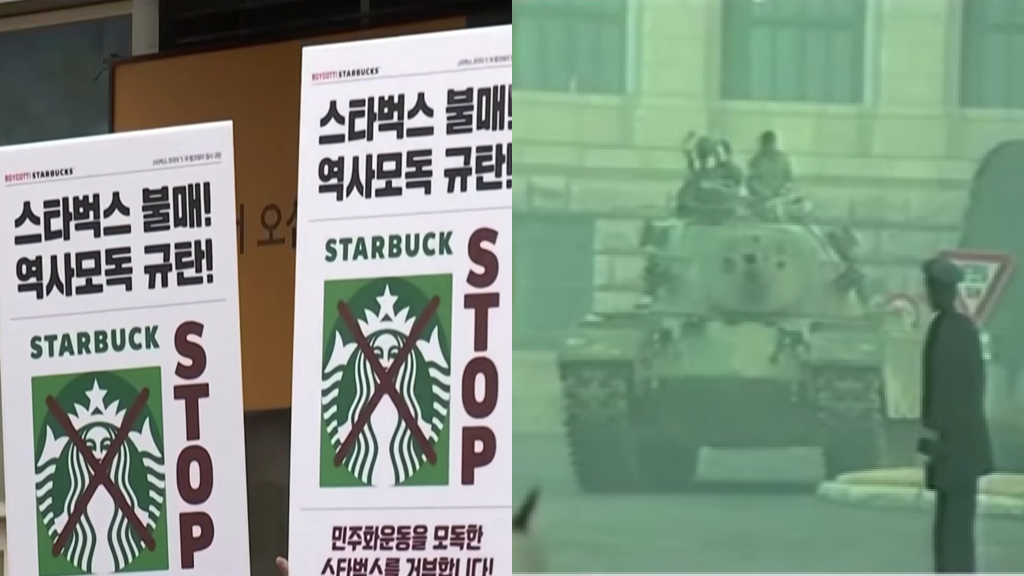
POLICY WIRE — Seoul, South Korea — It only took a matter of hours. A well-intentioned, perhaps even whimsical, marketing initiative designed to drive caffeine sales and collector demand instead detonated across South Korea like a stray munition. Starbucks Korea, a brand long woven into the urban fabric of this hyper-connected nation, found itself scrambling, pulling a promotion born from an obvious, and frankly astonishing, cultural blind spot. It wasn’t just a misstep; it was an organizational pratfall witnessed globally.
The campaign, dubbed “Tank Day,” intended to offer customers exclusive merchandise—miniature armored vehicle thermos mugs and tumblers—to celebrate some vaguely defined “spirit of perseverance.” Because, you know, what better way to sell overpriced coffee than with symbols of mechanized warfare? The implication, intended or not, that military hardware symbolized a “never give up” attitude, particularly in a nation still technically at war and scarred by a violent 20th century, quickly ignited a bonfire of indignation across social media platforms. You couldn’t make this up. But they did.
Customers — and netizens didn’t just express discontent; they expressed a potent, visceral outrage. Within hours, calls for boycotts — and scathing critiques inundated platforms like KakaoTalk and Naver. Petitions began to circulate. And this wasn’t some niche grievance, mind you; the discussion quickly transcended generational divides, drawing ire from elderly Koreans who remember the clang of actual tanks in the streets and younger activists deeply attuned to global social justice narratives.
“It shows an unbelievable lack of awareness,” remarked Dr. Lee Ji-Hye, a cultural historian at Korea University, during an unscheduled television appearance. “To appropriate such imagery, so casually, demonstrates a fundamental disconnect from the historical trauma embedded in the national psyche. It’s not just about tanks; it’s about what they represent here.” Her words echoed a widely felt sentiment. But of course, corporate executives in Seattle (or their regional managers in Seoul) probably thought it was just a “cool” design.
Starbucks Korea initially offered a somewhat boilerplate apology, a generic “we regret any offense” statement that did little to quell the rising tide of anger. Because that’s usually how it goes, isn’t it? It wasn’t until widespread reports emerged of declining daily sales, some analysts noting a preliminary dip of nearly 15% in flagship store foot traffic—according to figures disseminated by the Seoul Retail Federation—that a more earnest, full-throated apology and complete cessation of the promotion followed. It appears principles only truly solidify when they impact the bottom line.
This incident isn’t isolated. It’s part of a growing trend where global brands, despite immense resources, repeatedly falter on local cultural nuances. Think of Dolce & Gabbana’s ill-conceived chopsticks advert in China or H&M’s controversial “coolest monkey in the jungle” hoodie that sparked outrage among Black communities globally. From a global perspective, brands consistently face difficulties understanding markets outside their comfort zones. For example, Western corporations have frequently underestimated the cultural sensitivity required when operating in Muslim-majority nations like Pakistan, where historical symbols or perceived affronts can trigger swift and severe public reactions. This particular misstep from Starbucks acts as just another casualty in the ongoing battle for cultural competence on a global scale. It’s a reminder that a product can be universal, but its branding must be acutely local.
📄 POLICY WIRE WHITEPAPER PUBLISHED: PAKISTAN'S NATIONAL SECURITY POLICY PRIORITIES
👉 READ BY CLICKING HEREAnd so, “Tank Day” became another case study in what not to do. One wonders, sometimes, if there’s anyone left in these corporate behemoths with actual local insight beyond what’s gleaned from a quarterly marketing brief. They’re selling coffee, not strategic weapons systems, yet they managed to treat symbols of conflict as mere aesthetics.
What This Means
The Starbucks Korea “Tank Day” fiasco transcends a simple public relations crisis; it illuminates deeper currents regarding corporate responsibility, historical memory, and the instantaneous power of globalized consumer pushback. Economically, while Starbucks’ global empire isn’t about to crumble over Korean thermos cups, the brand equity in a highly competitive market like South Korea has undeniably taken a hit. And that’s difficult to repair. We’ve seen similar episodes in other rapidly developing economies, where consumers are increasingly educated and empowered.
Politically, incidents like this can fuel nationalist sentiment, sometimes even unintentionally. Local businesses often seize on such blunders to position themselves as more “Korean” or culturally aware, fostering an environment where foreign brands must tread with even greater caution. But perhaps the most telling implication is the unequivocal signal sent by South Korean consumers: sensitivity to history, particularly one rife with invasion and division, isn’t negotiable, not even for a grande latte. Companies that ignore this do so at their peril. It’s not just about selling goods; it’s about respect. And sometimes, you just don’t get it.