


Dharamsala’s Roar: Patidar’s Blitz Unveils Cricket’s Shifting Power Play Amidst Himalayan Backdrop
POLICY WIRE — Dharamsala, India — The Himalayan foothills, typically a haven of monastic serenity, erupted this week not with spiritual chants but with the explosive crack of a cricket bat. While the...

POLICY WIRE — Dharamsala, India — The Himalayan foothills, typically a haven of monastic serenity, erupted this week not with spiritual chants but with the explosive crack of a cricket bat. While the rest of the world navigates escalating political fissures and economic anxieties, Dharamsala, often viewed as an idyllic — almost escapist — stage, hosted a cricketing spectacle designed to temporarily deafen all other noise. And boy, did it deliver, courtesy of a Royal Challengers Bengaluru (RCB) batter who appears to have mastered the art of loud statements.
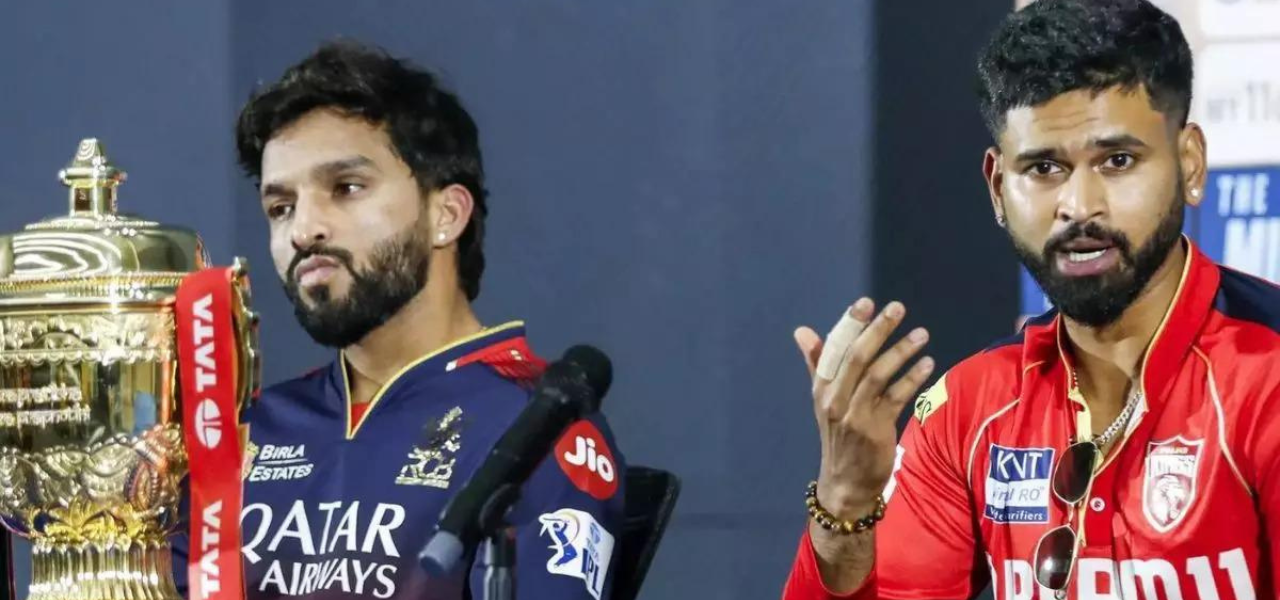
It wasn’t the record books that were quietly amended on a Wednesday night, though they were; it was the narrative of individual capability within cricket’s gargantuan franchise system. Everyone expected drama, perhaps a tense chase. What they got instead was Rajat Patidar, transforming from an IPL supporting character into an undeniable, headline-grabbing protagonist, leaving seasoned observers scrambling to revise their mental player rankings. We’re talking serious rearrangement.
Patidar, stepping out for RCB against Gujarat Titans in the Qualifier 1, unleashed what pundits are already calling a defining innings. His staggering, unbeaten 93 runs off just 33 deliveries propelled his team to a stratospheric 254/5, setting an unheard-of benchmark for an IPL playoff encounter. This wasn’t just batting; it was a brazen, surgical demolition. He smashed nine sixes and five fours, flaunting a strike rate that hovered around the improbable: a jaw-dropping 281.82, according to data compiled by Cricket Stats Inc., confirming its place in IPL lore.
But the real theatre, many will tell you, played out beyond the raw numbers. It arrived in flashes of audacious brilliance. Remember that 28-run assault on Kulwant Khejroliya? Or the moment he took on Kagiso Rabada? Just moments after blazing to a 21-ball fifty, Patidar met a high-paced delivery from Rabada outside off stump. Instead of textbook defense, he stayed deep in the crease, opened his arms wide—like he was inviting trouble—and launched the ball over cover. A six. Pure power. Sheer impudence. Former India spinner Ravichandran Ashwin, never one for understatement, called it straight up. “That backfoot six Rajat hit off Kagiso Rabada was straight-up shot of the day, probably even a contender for shot of the tournament. How he even managed to generate that power from there’s beyond me,” Ashwin mused on his YouTube channel, ‘Ash Ki Baat.’
And then came the implied hierarchy shift. Ashwin added, without missing a beat, “Before this knock, Shreyas Iyer was probably a bit ahead in the captaincy and batting conversations, but after tonight, Patidar is right up there.” It’s a bold declaration, isn’t it? A casual dismantling of perceived pecking orders. Because that’s how quickly careers, and indeed reputations, are forged and reframed in the crucible of this commercial juggernaut.
📄 POLICY WIRE WHITEPAPER PUBLISHED: PAKISTAN'S NATIONAL SECURITY POLICY PRIORITIES
👉 READ BY CLICKING HEREThe performance wasn’t lost on the broader South Asian sporting consciousness, either. In a region where cricket transcends mere sport to become a national obsession—and a significant cultural export—Patidar’s exploits underscore India’s expanding soft power via the bat. “These individual heroic performances do more than win matches; they inspire millions across the subcontinent, from Dhaka to Karachi, reinforcing the narrative of India as the global cricket powerhouse,” observed Syed Kamran Ali, a prominent Pakistani sports analyst. “We’ve seen these narratives before, but it never gets old, does it?”
What This Means
Patidar’s unexpected explosion on the IPL stage in Dharamsala holds more than just sporting ramifications. Economically, such high-impact individual performances elevate player market value significantly, attracting larger sponsorship deals and endorsement opportunities that extend far beyond the immediate season. This translates into tangible financial benefits not just for the players, but for the entire ecosystem—from ancillary industries like sports analytics and merchandise to broader tourism revenues for host cities like Dharamsala, even if momentarily. There’s a subtle but palpable political undertone, too; the grand spectacle of the IPL in places like this provides a calculated distraction, drawing national attention towards entertainment while subtly showcasing regional prosperity. You can almost see how Dharamsala’s own complexities get overshadowed by the glare of floodlights. Culturally, it reinforces India’s dominant position in world cricket, influencing aspirations and media consumption patterns across the entire South Asian diaspora, even among fans in nations with their own struggling or competing leagues. But don’t underestimate its personal toll; such sudden, blinding limelight often puts individual identity under an intense, unforgiving siege.