Hidden Luggage Fees: Europe’s Skies Face Fresh Scrutiny as Budget Airlines Brace for Impact
POLICY WIRE — ROME, ITALY — For millions, the allure of budget air travel often feels like a magic trick. You punch in a destination, get a jaw-dropping fare, and then—poof!—your holiday budget...

POLICY WIRE — ROME, ITALY — For millions, the allure of budget air travel often feels like a magic trick. You punch in a destination, get a jaw-dropping fare, and then—poof!—your holiday budget vanishes piece by piece. First the seat selection, then priority boarding, then the bag you absolutely can’t do without. It’s a familiar, frustrating dance, isn’t it?
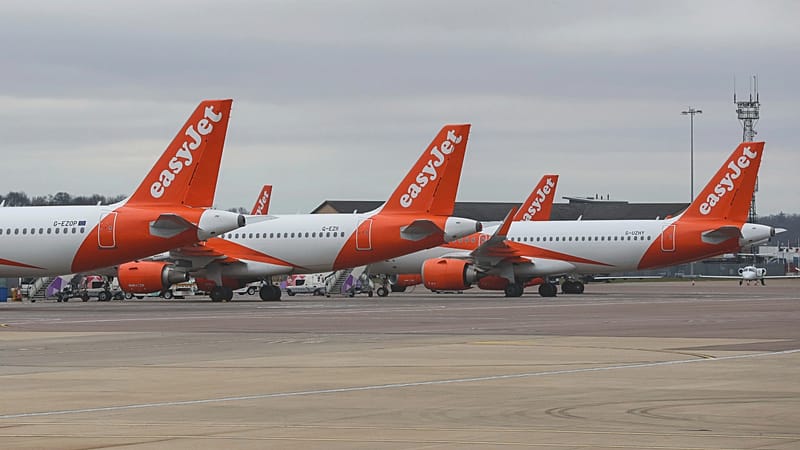
Now, Italy’s consumer watchdog, AGCM, it’s casting a skeptical eye on EasyJet, digging into allegations of opaque pricing practices. This isn’t just about a few extra euros; it’s about whether passengers are getting a fair shake when booking through online portals, where baggage charges supposedly get sprung on them after the fact. It’s less a convenience, more a fiscal ambush.
The Authority—that’s their official moniker, Autorità Garante della Concorrenza e del Mercato—is investigating EasyJet for allegedly failing to clearly include cabin bag fees in the initial fare displayed on various booking platforms. Instead, sources close to the inquiry suggest these charges, mandatory for a standard carry-on exceeding specific minimal dimensions, they pop up later in the purchasing process. Consumers are left navigating what one might charitably call a digital labyrinth.
Because, let’s be frank, for many, that ‘personal item’ allowance — barely enough for a small backpack — it just isn’t cutting it for a genuine trip. This inquiry follows similar skirmishes across Europe, like Spain’s ban on charging for carry-on luggage back in 2021, and subsequent E.U.-wide pressure for airlines to clearly state their full pricing from the very start. And it’s not a fringe issue. The European Consumer Centre network, which operates across the bloc, reported a stunning 41% surge in air travel complaints between 2022 and 2023, a significant portion related to hidden fees. That’s a lot of miffed passengers, isn’t it?
“Consumers aren’t ATMs; they deserve transparency, full stop,” blasted Andrea Bianchi, a senior official at AGCM, in an exclusive chat with Policy Wire. “We won’t stand by while essential services become a gauntlet of hidden charges that undermine fair competition and trust in the digital marketplace.” Strong words, those.
This scrutiny on EasyJet—a market behemoth that transported over 82 million passengers in its 2023 fiscal year alone—resonates far beyond Europe’s sunny Mediterranean shores. Think about it: a substantial segment of travelers crisscrossing Europe originates from, or has strong ties to, South Asia or the broader Muslim world. Take the multitude of Pakistanis living — and working in Europe, for instance. A return visit to Lahore or Islamabad often means bringing gifts, provisions, or cultural items. Multiple bags aren’t a luxury; they’re an essential component of their journey.
📄 POLICY WIRE WHITEPAPER PUBLISHED: PAKISTAN'S NATIONAL SECURITY POLICY PRIORITIES
👉 READ BY CLICKING HEREThese travelers, many on tighter budgets, plan meticulously for flights that seem affordable initially. An unforeseen, yet effectively unavoidable, baggage fee later in the booking process can completely torpedo their travel budget, transforming a seemingly cheap flight into an expensive, sometimes even prohibitive, endeavor. It isn’t just a convenience issue; it’s an equity one, hitting disproportionately hard those whose travel isn’t purely for leisure.
But the airlines, they don’t see it quite the same way. “Low-cost carriers revolutionized travel by offering unbundled fares,” argued a spokesperson for an airline industry trade body, requesting anonymity given the sensitive nature of the Italian probe. “Our pricing structure, it’s what makes flights affordable for millions who couldn’t otherwise fly. Unbundling, it’s the model that opened up travel, not a conspiracy to defraud.” It’s the industry’s perpetual balancing act: democratizing travel versus profit optimization, and where regulators draw the line.
What This Means
This Italian investigation, it’s more than a slap on EasyJet’s wrist; it’s a direct challenge to the very foundation of the low-cost carrier business model. If regulators successfully mandate that all baggage fees, even those for standard carry-ons, must be upfront in the initial advertised price across *all* sales channels, the ‘sticker shock’ effect could fundamentally alter consumer perception of budget airlines. This isn’t some niche issue; it directly impacts how millions budget and choose their flights, injecting a much-needed dose of honesty into price comparisons.
Economically, it could force airlines to either bake these costs into the base fare—making their headline prices less attractive—or risk significant fines. And politically? Well, consumer protection agencies across the E.U. often coordinate. A win for Italy here could trigger similar crackdowns elsewhere, creating a patchwork of regulations that could prove a bureaucratic headache for cross-border operators. The stakes are high, and passengers, for once, might just come out ahead, their travel experience less about hidden fees and more about the destination.