


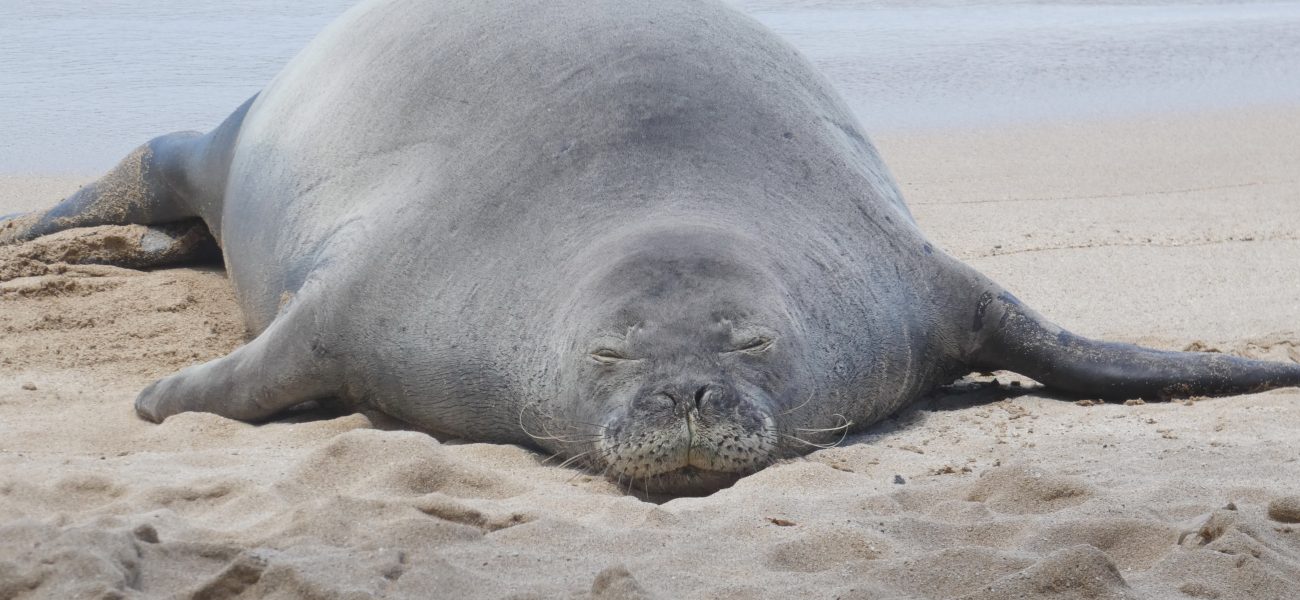
Tourist Target of Digital Mob Justice After Alleged Monk Seal Incident
POLICY WIRE — Honolulu, Hawaii — It isn’t always the sun-drenched beaches or the luaus that grab the headlines from America’s Pacific outpost. Sometimes, it’s the swift, unforgiving...

POLICY WIRE — Honolulu, Hawaii — It isn’t always the sun-drenched beaches or the luaus that grab the headlines from America’s Pacific outpost. Sometimes, it’s the swift, unforgiving hammer of digital justice, wielded against individuals deemed — often prematurely — to have crossed an unspoken line. A recent case, swirling in Hawaii’s online eddies, highlights this perfectly. A tourist, identified only as having drawn the ire of locals and conservationists, is now embroiled in a digital firestorm, facing not just accusations of disturbing a critically endangered Hawaiian monk seal, but also the grim realities of doxing and outright threats to life and limb.
And what did this individual supposedly do? According to initial reports, it involved a rock — and a revered marine mammal. The details remain fuzzy, frankly, because the public outcry exploded so quickly it bypassed the standard investigative process. But, of course, facts often take a backseat when the internet decides its jury is in session. The individual’s lawyer, [QUOTE_PLACEHOLDER] expressed deep concern, noting the situation escalated well beyond reasonable public criticism into personal attacks and harassment. It’s a digital lynching, some say, all before official charges are even confirmed, or any formal proceedings begun.
The alleged act itself — harassing a monk seal, an animal protected under both state and federal law — is, serious. The Hawaiian monk seal, with a population hovering around 1,500 individuals, according to NOAA Fisheries data from 2023, represents a fragile ecological legacy. Locals here see them as more than just wildlife; they’re an integral part of the islands’ spirit. But the leap from alleged misdeed to a campaign of digital terror? That’s a different sort of predator altogether, lurking not in the azure waters, but in the dark corners of the web. This tourist, an outsider, a perceived villain, quickly became fair game.
It’s easy to dismiss these online attacks as just the usual internet noise, a symptom of our hyper-connected world. But for the targets, the consequences are very real, very tangible. Home addresses, personal information, employment details—all broadcast for public consumption, for anyone with a grudge or a keyboard to find. It isn’t mere shaming; it’s an open invitation for malice, an invitation sometimes answered with chilling regularity. This sort of immediate, severe public backlash, where the internet serves as judge, jury, and executioner, certainly isn’t unique to the American context. Just look at the swiftness with which AI defamation can snowball in places like South Korea, or the fervent social media pile-ons witnessed in certain South Asian nations, particularly when perceived religious or cultural slights occur. The medium changes, sure, but the human desire for instant accountability—or vengeance—remains strikingly similar.
The accused’s legal counsel claims their client is now effectively trapped. The online threats, [QUOTE_PLACEHOLDER] are severe enough to warrant genuine safety concerns. This isn’t just about an alleged violation of wildlife protection; it’s about the weaponization of outrage, a public square transformed into a mob’s playground. They’re facing demands for deportation, boycotts, even physical harm. It’s enough to make one wonder if the punishment is truly fitting the crime, or if the court of public opinion has simply lost its mind, its collective sense of proportion.
📄 POLICY WIRE WHITEPAPER PUBLISHED: PAKISTAN'S NATIONAL SECURITY POLICY PRIORITIES
👉 READ BY CLICKING HEREBut how does one rein in this wild beast of internet vigilantism? Laws struggle to keep pace. The anonymity, the sheer volume, the global reach—it’s a daunting task for law enforcement, never mind the legal system. They’re playing whack-a-mole with a thousand hammers. This episode, ignominious as it might be, serves as a sharp reminder: while the protection of precious wildlife is something almost everyone agrees on, the methods used to enforce that protection, especially by anonymous online actors, warrant far more scrutiny than they typically receive. We’ve seen this before, — and we’ll surely see it again.
What This Means
This incident, far from being an isolated anecdote about one tourist’s alleged lapse in judgment, reflects a deepening societal schism, particularly regarding the intersection of tourism, environmental ethics, and digital mob rule. For Hawaii, an economy heavily reliant on tourism, such high-profile incidents could foster a chilling effect, even among responsible visitors, if the perceived cost of a mistake includes public humiliation and threats to safety. It creates a volatile atmosphere where legitimate conservation efforts risk being overshadowed by disproportionate vigilante reactions. This isn’t good for optics, nor is it conducive to balanced policy discussions around managing human interaction with fragile ecosystems. We’re witnessing a strange, unsettling blend of genuine care for the environment clashing with an unchecked, punitive digital culture. For regions globally, especially in developing economies from Southeast Asia to the Middle East, that balance on the precipice of cultural exchange versus external influence is constant, delicate. Maintaining robust legal frameworks, not simply bowing to the loudest online voices, becomes paramount, both for individual rights and for the long-term sustainability of sensitive economic sectors.