


Creeping In: Albuquerque’s Summer Scourge Signals Deeper Climate, Infrastructure Woes
POLICY WIRE — Albuquerque, New Mexico — It’s a minor war fought daily, silently, across sun-baked asphalt and under dim urban thoroughfares. While the chattering classes squabble over...

POLICY WIRE — Albuquerque, New Mexico — It’s a minor war fought daily, silently, across sun-baked asphalt and under dim urban thoroughfares. While the chattering classes squabble over geopolitical maneuvers or the latest stock market twitch, a far more primitive, yet deeply impactful, front has opened in the heart of the American Southwest. Your neighbor might not mention it at the garden party, but a creeping, scuttling truth is revealing itself across Albuquerque’s suburban sprawl: The city’s struggling, and its unseen population is booming.
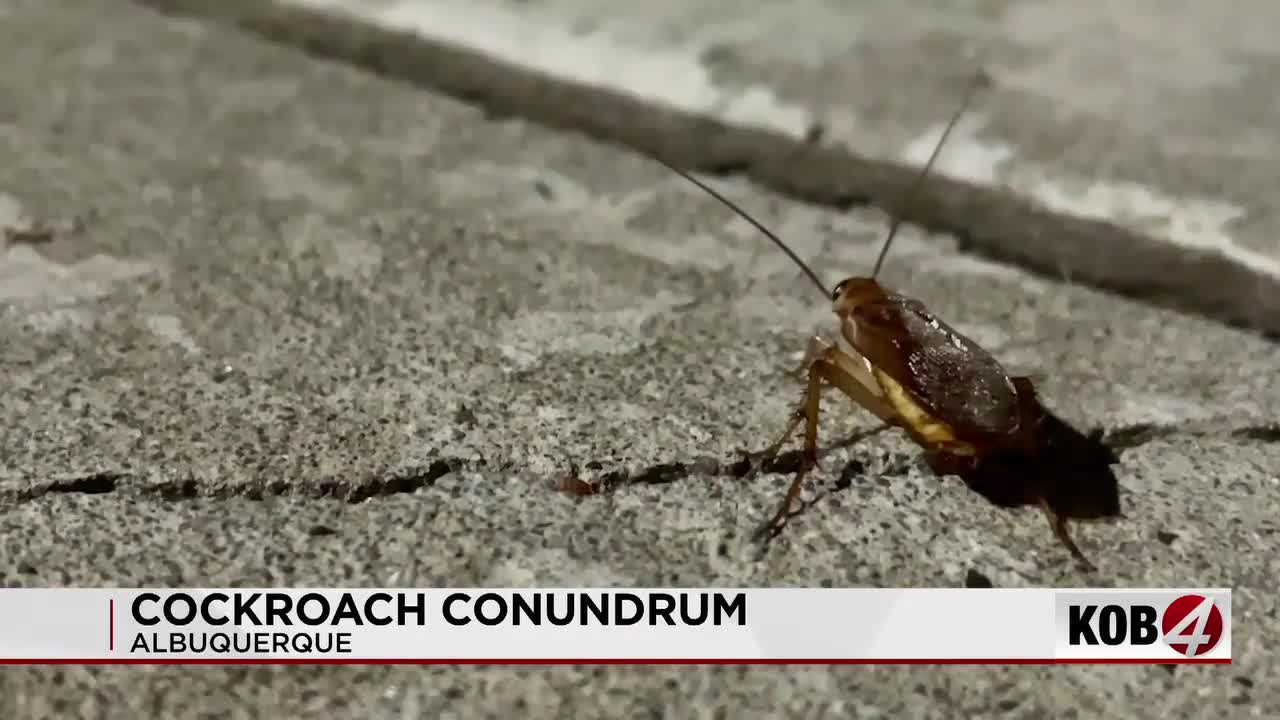
Reports aren’t trickling in anymore; they’re gushing. What once might have been an occasional nuisance has metastasized into an urban epidemic. And because it’s summer, because the temperatures refuse to abate, the demands on city services are soaring. Citizens aren’t just seeing a few roaches; they’re confronting an unwelcome army mobilizing from the unseen depths of infrastructure, specifically around their homes and from the dank recesses of manholes. [QUOTE_PLACEHOLDER]
It’s not just a local peculiarity, this insectile insurgency. A commercial manager with Preventive Pest Control, Mike Swanson, sees it every single day. We’re seeing an increase in all types of activity, all different types of insects and spiders.
This isn’t exactly groundbreaking news, is it? Heat makes bugs active. But this time, it feels different. It’s a testament to the persistent pressure, he reckons, that has residents reaching for the phone at an alarming clip. It’s definitely up at the top. I mean, there’s a lot of activity, — and we’re definitely getting a lot of calls every day for both cockroaches and ants. It never stops,
Swanson lamented, with a weary professional’s insight into the tireless lifecycle of urban pests. They simply don’t stop.
Oriental cockroaches, in particular, seem to thrive in this arid landscape’s unexpected pockets of moisture — and decay. They’re common here, apparently, — and they’ve got their habits down pat. Cockroaches, especially Oriental cockroaches, which are very common here in Albuquerque, they spend their time during the day often inside brick walls in between people’s yards, and then at night they’ll come out of theirs,
Swanson detailed, painting a rather unsettling picture of nocturnal insect sorties from residential boundaries.
The city’s official response? It exists, just not with lightning speed. David Morris, who handles public affairs for the Albuquerque Water Authority (a seemingly unlikely frontline against an insect invasion, wouldn’t you say?), confirms they do offer help. The Water Authority does offer free cockroach treatments for manholes in the neighborhoods that request them,
he noted. But relief, much like a good policy debate, takes time. Morris acknowledged the sheer volume of requests, coupled with limited manpower, means a couple of months’ wait for beleaguered residents. Boric acid is the weapon of choice here, a destructive agent that reportedly offers about a year’s respite from the six-legged incursions. We treat the manholes with boric acid, which is destructive to the to the cockroaches, and I’m told that the treatment is usually good for about a year,
Morris explained.
And here’s where the mundane becomes policy relevant, a grim reflection of a world in flux. Swanson pointed out that these critters stay active for a good chunk of the year—from February right through December. What’s chilling is his observation that warmer, shorter winters, an increasing global trend, could effectively remove their hibernation cycle altogether. Think about that for a second. Pest season becomes, simply, the year.
What This Means
This isn’t merely an annoyance; it’s a symptom. Albuquerque’s struggle with increasing insect populations, exacerbated by hotter temperatures, isn’t just about an uptick in demand for pest control. It’s a canary in the coal mine, echoing challenges seen in burgeoning cities across the globe, from the sun-drenched valleys of California to the choked streets of Karachi, Pakistan. Places like Karachi, for instance, a megacity on the Arabian Sea, grapple constantly with extreme heat, water scarcity, and inadequate infrastructure—conditions ripe for widespread pest infestations and public health crises. It’s a stark parallel: the local battle in New Mexico has distinct global undertones.
Economically, it’s a hidden drag. Increased demand for pest treatment—whether private or municipal—represents a diversion of resources. Public works departments, already stretched thin, must now allocate precious funds and personnel to battling something most would consider a footnote. When the Albuquerque Water Authority says it’ll take a couple of months
to address a public health nuisance, that’s an operational bottleneck, a strain on public services. The policy implications are clear: urban planning in a rapidly warming world needs to consider not just extreme weather events, but the subtle, relentless shifts in local ecosystems that can compromise health and habitability. We’re not talking about just fixing a leaky pipe anymore; we’re talking about maintaining civic order against the tide of nature itself.
This escalating issue highlights the critical need for proactive urban management strategies, not just reactive clean-up. As global temperatures continue their relentless climb—with the World Meteorological Organization confirming that the global average temperature in 2023 was 1.45 °C above the pre-industrial average (1850-1900)—we’ll see more of these low-level crises bubble to the surface, demanding attention, resources, and policy adjustments. We often overlook the minutiae, don’t we, but sometimes the most persistent policy failures are found scurrying in the dark corners of our civic life. Our failure to address these challenges quickly can escalate. It’s a lesson applicable globally, from the deserts of New Mexico to the densely populated urban centers of the developing world.
So, the next time you hear a scuttling sound in the night, perhaps spare a thought not just for your sanity, but for the intricate, often neglected, web of public policy and global climate shifts it might represent.