


Himalayan Mud Villa: A Luxury Echo in an Unsettled Region
POLICY WIRE — Dehradun, India — The mountains, for centuries, offered a stark, uncompromising existence. Now, it seems, they offer premium nightly rates. Far from the bustling metropolises, a trend...

POLICY WIRE — Dehradun, India — The mountains, for centuries, offered a stark, uncompromising existence. Now, it seems, they offer premium nightly rates. Far from the bustling metropolises, a trend is quietly taking root, offering a different kind of return on investment than conventional financial markets might—one built on earth, sweat, and perhaps, a dash of curated nostalgia. It’s a fascinating micro-economy, almost a boutique rebellion against concrete sprawl, flourishing in unexpected corners of the Himalayas.
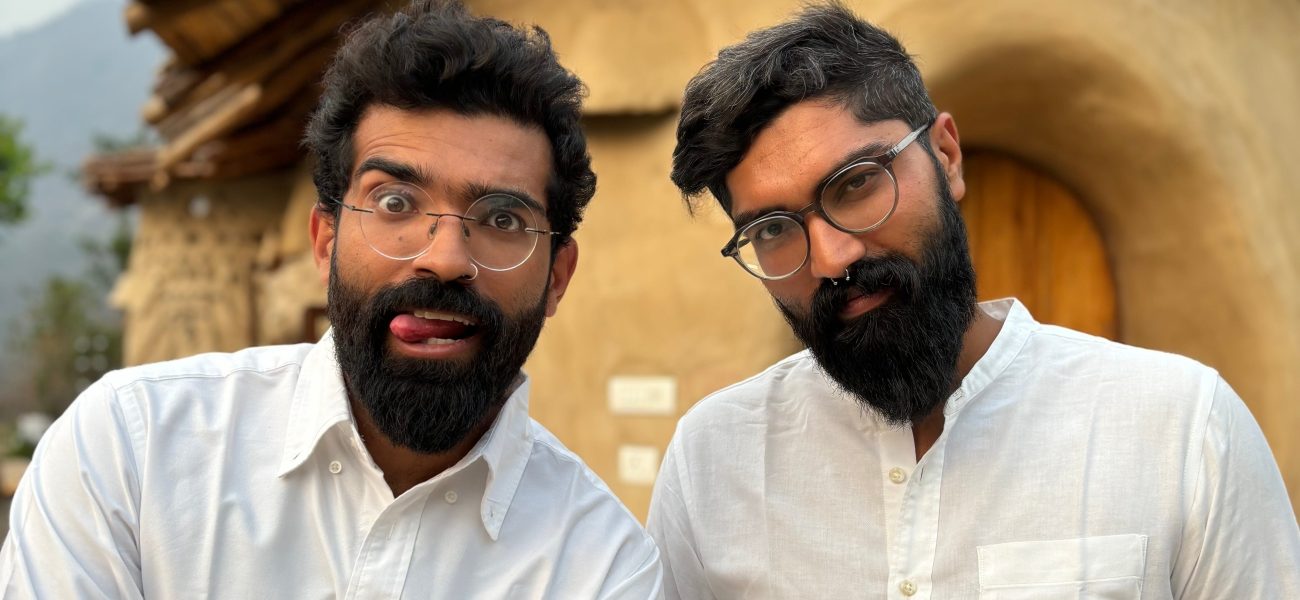
Down in a nondescript Himalayan town—we’ll keep it nameless for the aesthetic of the thing, and the sake of not blowing up their quiet spot, even though it’s hardly quiet anymore—two brothers, both architects, embarked on a project that’s become a curious case study. They left the conventional design grind, opting for a life (and a livelihood) less ordinary. Their venture? A mud villa, meticulously constructed by hand. Not as a hermitage, mind you, but as a luxury Airbnb. And you know what? It’s humming, almost alarmingly so, with a steady stream of urbanites keen to swap high-thread-count sheets for organic linens and the drone of traffic for mountain breezes. This isn’t just about pretty pictures for Instagram; it’s about the cash economy of isolation.
It’s not an accident, either. They put in the work. Apparently, [QUOTE_PLACEHOLDER] in their own words, the place [QUOTE_PLACEHOLDER]. One of the brothers, you see, once described their process. They didn’t just plop down a pre-fab structure. They embraced ancient techniques, relying on local materials and presumably local labor, which itself offers a little jolt to the village coffers. Mud, thatch, — and timber; the stuff of pre-industrial housing. But in this iteration, it’s infused with a modern design sensibility that somehow makes it, well, exotic. And profitable.
But how sustainable is this, really? Because, let’s be honest, that’s always the kicker. When a place becomes a [QUOTE_PLACEHOLDER], does it still retain its soul? The paradox isn’t lost on us. Crafting a traditional dwelling by hand, then offering it as an amenity for the upwardly mobile, feels a bit like packaging the rustic for mass consumption. Yet, there’s no denying the immediate economic benefits for the local community, however limited. These sorts of initiatives often pull in supplementary income for service providers—cooks, cleaners, local guides. It’s a micro-tourism ecosystem blossoming in a harsh environment.
The rise of this mud villa as a ‘busy Airbnb’—that’s the phrase they’re using, an interesting choice given the presumed tranquil setting—highlights a broader economic recalibration across the Subcontinent. India, like its neighbors Pakistan and Bangladesh, grapples with urbanization, internal migration, and the relentless search for stable income. While cities like Karachi or Mumbai continue to swell, attracting those seeking a perceived better life, some educated individuals are deliberately turning their backs on that hustle, looking to forge new livelihoods in less conventional locales. These brothers represent a sliver of that reverse migration, not out of necessity, but by design.
It’s an attractive narrative: leave the rat race, build something authentic, make money while doing it. This trend isn’t isolated. You see similar endeavors in Pakistan’s Hunza Valley, or nestled in Nepal’s Annapurna region—places where traditional architecture and breathtaking scenery are being repurposed for the experiential tourist. These places aren’t just selling beds; they’re selling an escape, a story, a curated version of authenticity that’s highly valued in an increasingly digital world. The UN World Tourism Organization estimates that rural tourism experienced an average annual growth rate of 5.8% globally between 2014 and 2019, outpacing conventional tourism categories.
📄 POLICY WIRE WHITEPAPER PUBLISHED: PAKISTAN'S NATIONAL SECURITY POLICY PRIORITIES
👉 READ BY CLICKING HEREAnd so, what was once just a house, built of earth — and ingenuity, becomes a commodity. Its success demonstrates a fundamental shift in how value is perceived in certain markets. It’s no longer just about the square footage or the proximity to a business district. It’s about the quiet, the perceived authenticity, the story behind the walls. Because, sometimes, the greatest luxury isn’t about acquiring more, but about having less—or at least, the illusion of it, packaged rather nicely for weekend guests.
What This Means
This little mud villa, a quiet anomaly on a mountain slope, offers more than just a place to sleep. It’s a sharp reminder of the shifting economic currents sweeping across South Asia — and beyond. For one, it spotlights a burgeoning market for experiential, eco-conscious tourism that’s ripe for development, often with minimal infrastructural investment by traditional metrics. That’s a boon for rural economies, a chance to generate local employment beyond traditional agriculture, offering youth a viable alternative to the often-disappointing pull of crowded urban centers. But it also introduces a tension.
As these locales become monetized, there’s a delicate balance to strike between economic uplift and cultural preservation. When the very essence of a region’s heritage becomes its primary export, its ‘authenticity’ runs the risk of being diluted, Disney-fied for the foreign gaze. The Muslim world, too, particularly areas like Pakistan’s northern territories with their unique architectural vernaculars, faces this dichotomy. How do you embrace economic opportunities presented by global tourism without inadvertently eroding the cultural distinctiveness that makes the region appealing in the first place? It’s a question that these architect brothers, whether they intended to or not, have unwittingly brought to the fore. They’ve built a charming abode, sure. But they’ve also constructed a tiny economic experiment, whose implications for sustainable development—or potential cultural commodification—are still being tallied, one guest review at a time.