


Bangladesh’s Faltering Pill Promise: A Population Predicament
POLICY WIRE — Dhaka, Bangladesh — They used to say women had power in their hands, literally, to shape the nation’s future. For decades, it was a quiet revolution unfolding in mud-hut villages...

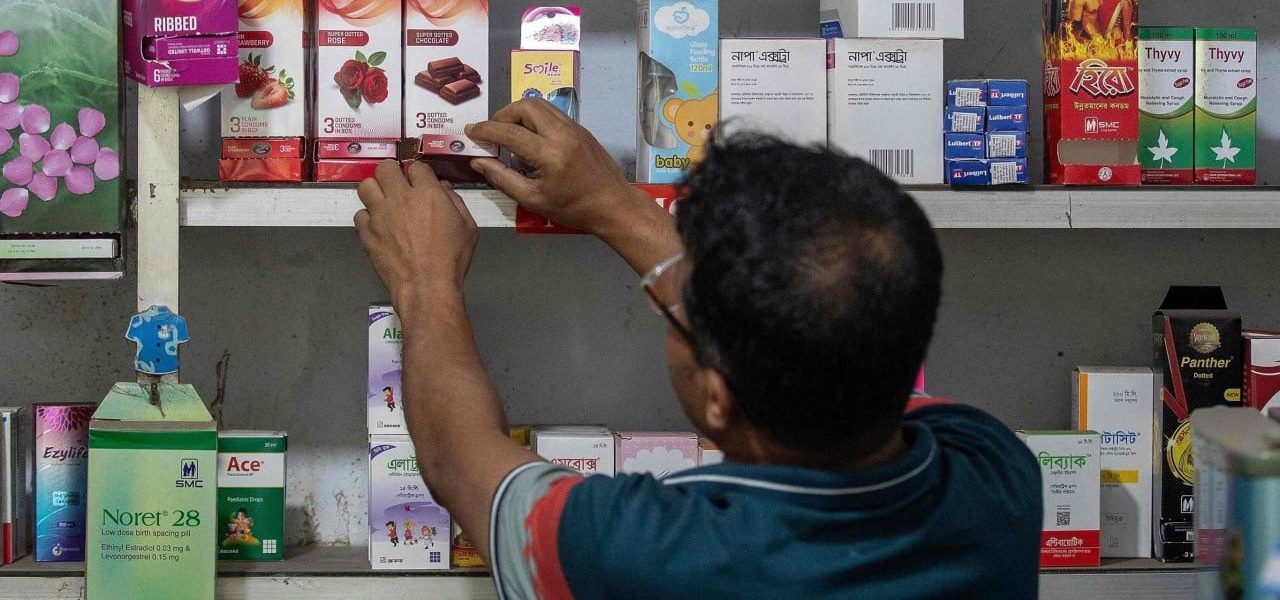
POLICY WIRE — Dhaka, Bangladesh — They used to say women had power in their hands, literally, to shape the nation’s future. For decades, it was a quiet revolution unfolding in mud-hut villages and bustling urban lanes, delivered by thousands of dedicated community health workers. These foot soldiers of demographic change — overwhelmingly women themselves — navigated treacherous paths and skeptical doorways to offer more than just a birth control pill or a condom. They brought a flicker of autonomy, an option. And now, that finely tuned machine, once the pride of development agencies and a textbook example for the global South, is sputtering to a halt.
It’s not just a supply chain hiccup; it’s an institutional erosion, leading Bangladesh’s acclaimed family planning system to be [QUOTE_PLACEHOLDER] This isn’t merely an administrative headache, it’s a profound social setback [QUOTE_PLACEHOLDER] across a nation already wrestling with the complexities of sustaining 170 million lives in an area roughly the size of Iowa. You’d think a country lauded for its groundbreaking public health achievements would guard such a victory with fierce resolve. But here we’re.
For too long, Bangladesh was [QUOTE_PLACEHOLDER] Policy wonks and aid agencies frequently pointed to Dhaka as a model, an inspiration for nations striving to manage population growth through empowerment, not coercion. It wasn’t always easy, mind you, in a traditionally conservative society where family size often equates to divine blessing and economic security. Yet, an [QUOTE_PLACEHOLDER] managed to shift norms. They didn’t just disseminate information; they [QUOTE_PLACEHOLDER] literally taking reproductive health services directly to people’s thresholds.
But government clinics across the country are now reporting critical deficits in everything from oral contraceptives to injectable methods. Budgetary constraints, bureaucratic inertia, and a perceived complacency after years of success have coalesced into this worrying dearth. And it’s the poorest, most vulnerable women who bear the brunt. Those who lack the means or the leverage to access private sector solutions are left adrift, their reproductive choices effectively revoked.
The echoes of this predicament aren’t confined to the fertile delta. Look to Pakistan, a nation often grappling with similar challenges in extending comprehensive healthcare and family planning to its vast populace. There, cultural sensitivities and inadequate infrastructure frequently impede efforts to manage population growth, contributing to societal and economic strains. What Bangladesh achieved, and now risks losing, offers a stark lesson: progress in public health isn’t a permanent state; it’s a sustained act of political will and resource allocation. If a country like Bangladesh, once the envy of its South Asian neighbors in this arena, struggles this much, what hope for others just beginning their journey?
📄 POLICY WIRE WHITEPAPER PUBLISHED: PAKISTAN'S NATIONAL SECURITY POLICY PRIORITIES
👉 READ BY CLICKING HEREBecause the consequences are manifold. A surge in unplanned pregnancies translates to higher maternal mortality rates, increased pressure on already overstretched health systems, and a devastating brake on women’s education and economic participation. This isn’t just about statistics; it’s about individual life trajectories forever altered. Data from the World Health Organization indicates that unintended pregnancies globally contribute to an estimated 47,000 maternal deaths annually, a figure that could easily swell if access to contraception falters in populous nations. It’s a dire feedback loop, really, trapping families in poverty — and slowing national development. This situation makes Bangladesh look an awful lot like it’s forgot its own success stories.
What gives, you ask? Why let such an effective system decay? The simple truth is that family planning, while absolutely foundational to human development, doesn’t always scream political urgency when compared to flashy infrastructure projects or immediate disaster relief. It’s a long game, played out over generations, and short-sighted budgetary cuts can take years, even decades, to fully reveal their true, devastating cost. This is the bitter irony, that a nation once deemed a success story for managing its unique demographic challenges is now backpedaling into an avoidable crisis.
What This Means
The erosion of Bangladesh’s family planning infrastructure signals more than just a public health regression; it carries significant political and economic ramifications. Politically, a rise in unplanned pregnancies and population growth will place immense strain on the government to deliver essential services – education, healthcare, infrastructure – to an expanding populace, potentially fueling social discontent and political instability in an already volatile region. Economically, fewer women will be able to join or remain in the workforce, hindering GDP growth and exacerbating poverty, especially in rural areas. It compromises Bangladesh’s hard-won demographic dividend, where a larger working-age population can spur economic growth if properly supported. The nation risks sacrificing its hard-earned progress in female empowerment, turning back the clock on decades of development and reinforcing cycles of intergenerational poverty. For a densely populated country like [QUOTE_PLACEHOLDER] managing population dynamics is not merely a social issue, it’s a strategic national security concern impacting resource allocation and long-term stability.