


Home, Not Free: Australia Grapples With Islamic State Returnees
POLICY WIRE — Melbourne, Australia — It’s a thorny issue, one governments around the globe would rather sidestep: what precisely do you do when your citizens, once having pledged fealty to a brutal...

POLICY WIRE — Melbourne, Australia — It’s a thorny issue, one governments around the globe would rather sidestep: what precisely do you do when your citizens, once having pledged fealty to a brutal caliphate, decide it’s time to come home?
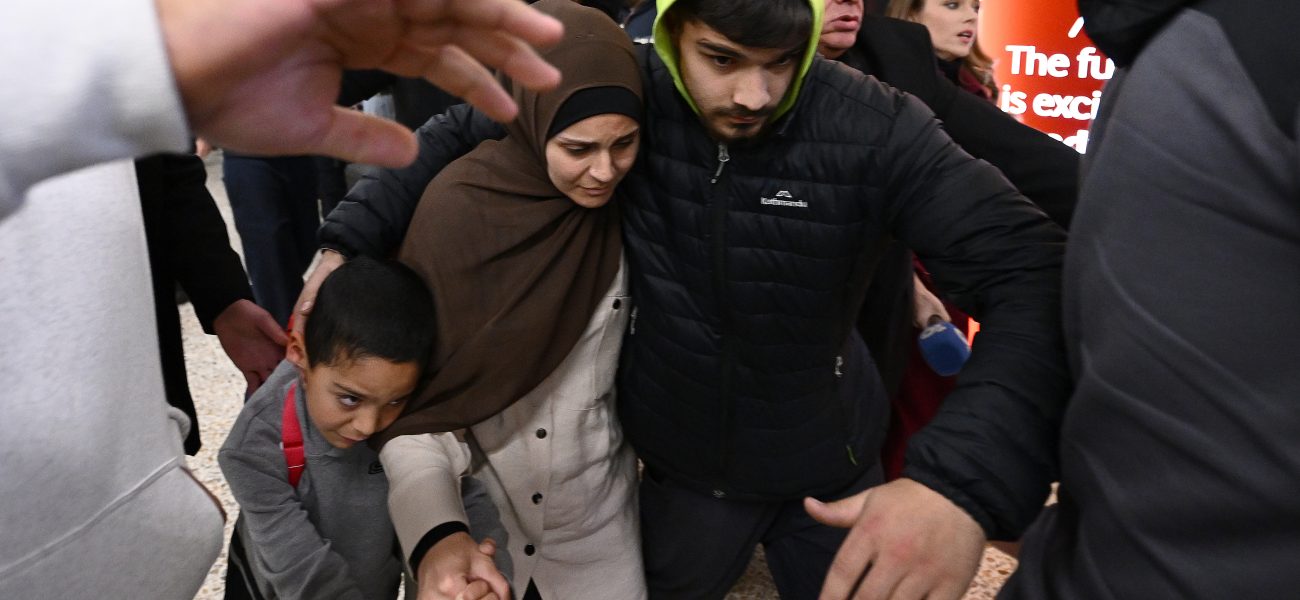
For Australia, that theoretical quandary morphed into stark reality recently, culminating in what authorities term a meticulously planned operation. But the sheer logistical undertaking—getting these individuals, many of them women and children, out of Syria’s grim al-Roj camp and back onto Australian soil—is only the opening act in a long, difficult drama. The quiet landing of planes carrying 19 Australians linked to the Islamic State group in Melbourne and Sydney didn’t close a chapter; it tore a fresh wound open in the nation’s conscience, sparking heated debates over justice, compassion, and cold, hard national security.
It’s not just a tale of travel, don’t think it’s. This whole repatriation saga represents a profound ethical knot, you see. For years, these individuals lived—or were forced to live—under the black flag. Now, their return means navigating a labyrinth of legal proceedings, psychological evaluations, and the ever-present specter of lingering radicalization. Australian Federal Police and intelligence agencies face a generational task: discerning genuine repentance from ideological subterfuge, and safeguarding a populace increasingly wary of extremists, both homegrown and returned. It’s a colossal ask, frankly.
But the government, after years of wavering — and cautious pronouncements, finally acted. This decision, they’ve insisted, isn’t about amnesty. [QUOTE_PLACEHOLDER] It’s about accountability and securing Australia’s borders, as well as the long-term well-being of the children, who are undeniably victims themselves, having been born into or taken to a war zone against their will. That’s a powerful motivator for any democratic government, one would concede, particularly with the global scrutiny focused on their fate.
And let’s be clear, this isn’t an isolated problem. Nations across the Muslim world—from Indonesia to Egypt, and even to some degree in Pakistan—have grappled with similar dilemmas. Some, often with more direct and brutal experiences of radical Islamist violence on their own soil, have been far less forgiving of citizens who joined foreign conflicts. Pakistan, for instance, has contended for decades with its own complex network of militant groups and foreign fighters traversing its borders. While the specifics differ greatly, the fundamental challenge of rehabilitating or incarcerating those returning from extremist fronts is a shared, messy responsibility for sovereign states. It shows, in stark relief, the global reverberations of extremist ideologies — and conflict. According to a 2022 report from the International Centre for Counter-Terrorism (ICCT), over 40,000 foreign fighters are believed to have traveled to Syria and Iraq since 2011, presenting an enduring security and human rights puzzle for at least 80 countries.
The women among the returnees are reportedly undergoing various screening processes. Are they repentant partners, coerced wives, or active participants in IS operations? This is the agonizing interrogation point. The Australian legal framework demands concrete evidence, not just suspicion, for charges related to association with a proscribed terrorist organization. And securing such evidence from the ashes of a collapsed caliphate, from remote Syrian detention camps, is nothing short of a Herculean task. Because, well, it’s not exactly like there’s a meticulously kept criminal database floating around Raqqa.
📄 POLICY WIRE WHITEPAPER PUBLISHED: PAKISTAN'S NATIONAL SECURITY POLICY PRIORITIES
👉 READ BY CLICKING HEREFor the children, the situation is different. They’ve likely endured unthinkable trauma. Their reintegration, far from a mere administrative formality, will require extensive psychological and social support systems. We’re talking years of specialized care, maybe decades, to help them disentangle from the horrors they’ve witnessed or participated in. It’s an investment, pure — and simple, but one a nation grappling with its moral responsibilities simply can’t avoid.
What This Means
The political implications of this repatriation are broad and will reverberate through Australia’s domestic policy and foreign relations for some time. Economically, the cost of processing, securing, monitoring, and potentially prosecuting these individuals, along with the extensive social services needed for the children, will be substantial. It’s not a one-off payment; it’s a long-term commitment that will strain existing budgets in counter-terrorism and social welfare. From a political perspective, Prime Minister Anthony Albanese’s government has staked considerable political capital on this mission, framing it as a humanitarian imperative for children and a security necessity for adults.
But this move could also embolden other nations to push harder for Australia to accept more returnees—and there are, believe it or not, still others languishing abroad. Domestically, expect continued friction. Opposition parties will seize on any perceived security lapses, using it as fodder for renewed calls for more stringent border controls or even outright refusal of future repatriations. It’s an easy target, too. The real test, however, won’t be in the immediate aftermath, but in how effectively these returnees are managed, rehabilitated, or, where appropriate, brought to justice. Australia’s approach could serve as a case study, or perhaps a cautionary tale, for other Western nations grappling with their own citizens’ decisions to embrace violent extremism overseas. And that, dear reader, remains an open question.