


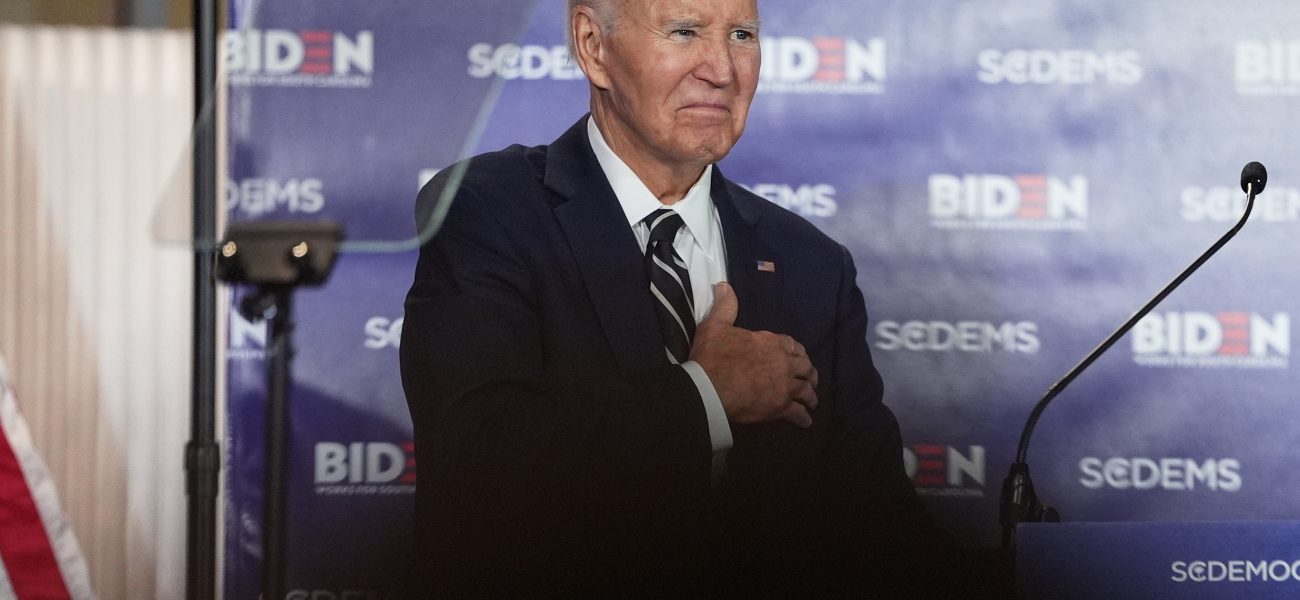
Executive Privilege Under Fire: Biden Fights Justice Dept. Over Probe Recordings
POLICY WIRE — Washington D.C., USA — It’s an unusual sight, even by Washington’s peculiar standards: a sitting President squaring off in court against his very own Justice Department. The...

POLICY WIRE — Washington D.C., USA — It’s an unusual sight, even by Washington’s peculiar standards: a sitting President squaring off in court against his very own Justice Department. The move by the Biden administration to block the release of audio and transcripts related to a special counsel’s investigation—a probe into the President’s handling of classified documents, mind you—isn’t just another bureaucratic dust-up. It’s a calculated legal gambit that rips open familiar fault lines concerning executive privilege, transparency, and who, ultimately, gets to control the narrative surrounding presidential conduct.
You’d think the Executive Branch, by definition, would be singing from the same hymn sheet, wouldn’t you? But here we’re. This wasn’t some minor inter-agency spat. This is a federal lawsuit, filed by the President’s legal team, effectively demanding the Justice Department keep a tight lid on evidence gathered during Special Counsel Robert Hur’s inquiry. The inquiry itself had concluded without criminal charges, albeit with a rather unflattering portrayal of President Biden’s memory and acuity. Opponents, naturally, seized on this framing—some would say, weaponized it.
And because politics never sleeps, the decision by the President to lean into litigation has set off alarm bells among transparency advocates and a good many congressional Republicans, too. They’re claiming it’s an attempt to shield damaging information from the public. The argument from the White House, on the other hand, posits that the public release of such materials would be disruptive and undermine the confidentiality essential to robust executive functions. That’s a classic defense, one we’ve heard before from presidencies across the aisle.
But there’s a difference here. This particular fight centers on Hur’s characterization of Biden as an [QUOTE_PLACEHOLDER] in his final report—a narrative element that the administration has fiercely contested as unfair and politically motivated. Releasing the audio, they contend, would essentially make a partisan football out of the special counsel’s interview, injecting even more heat into an already red-hot election year. For them, it’s about protecting the institution of the presidency from what they view as an overzealous—or at least ill-advised—public disclosure. You see it as damage control, plain — and simple.
It’s important to remember that these legal clashes aren’t just domestic squabbles. The perceived transparency—or lack thereof—in America’s highest office has ripple effects far beyond Washington’s Beltway. Leaders and populations in nations like Pakistan, for instance, keenly observe these displays of American legal maneuvering. How the U.S. President handles scrutiny, how executive power is balanced against accountability, it all factors into global perceptions of the American system’s integrity. When Washington struggles with its own definitions of governmental openness, it doesn’t exactly make it easier to preach those same values abroad, particularly in regions where calls for greater transparency in governance are often met with cynicism.
The White House has consistently pushed back on calls for full disclosure, asserting that the Special Counsel’s report provides [QUOTE_PLACEHOLDER]. They believe releasing the actual interview tapes and transcripts would create a dangerous precedent, opening up presidential interviews to future politically motivated exploitation. Because let’s be honest, everything becomes a political football these days. It doesn’t take much imagination to foresee snippets—perhaps taken out of context—being deployed in campaign ads or on cable news loops. This isn’t just about Biden’s image; it’s about the playbook for future presidential interactions with investigators.
📄 POLICY WIRE WHITEPAPER PUBLISHED: PAKISTAN'S NATIONAL SECURITY POLICY PRIORITIES
👉 READ BY CLICKING HEREA recent Reuters/Ipsos poll indicated that only 38% of Americans believe the federal government is sufficiently transparent with the public on matters of executive privilege, a seven-point drop from a decade ago. That dwindling trust, frankly, gives both sides ammunition. Critics say this lawsuit just proves that executive transparency is often a selectively applied virtue. Administration supporters will say it’s protecting presidential efficacy against bad-faith attacks. Either way, the public, it seems, remains skeptical, viewing these high-stakes legal tussles as more about power than principle.
This situation also harks back to previous battles over presidential records, whether it was Nixon’s tapes or the fight over post-presidency documents. Each time, the line between executive secrecy and public right-to-know gets drawn—and often redrawn—in a court of law. It’s a continuous, dynamic tension baked right into the American governmental framework. But, of course, the stakes always feel highest when a president is seeking re-election.
What This Means
This lawsuit isn’t just a dry legal proceeding; it’s a direct intervention into a politically charged information war. For President Biden, the political implication is clear: limiting public access to the raw interview material helps to mitigate further damage from Special Counsel Hur’s report, particularly his assessment of the President’s cognitive state. Given it’s an election year, the last thing the campaign wants is days of media analysis dissecting every pause, every ‘uh,’ or every stumble from the recorded interview. They’re trying to contain the narrative—a shrewd, if heavy-handed, move.
Economically, there aren’t direct, immediate impacts on markets or fiscal policy from this particular legal maneuver. But there’s a subtle undercurrent: instability or perceived lack of transparency at the highest levels can—over time—chip away at confidence, both domestically and internationally. A White House seen as struggling to maintain control of its own narrative can sometimes complicate foreign policy efforts, where unwavering confidence and clarity are currency. In regions sensitive to American influence, any perception of internal chaos or an executive fighting to obscure facts can fuel cynicism regarding U.S. leadership and commitment. Ultimately, this battle boils down to preserving political capital in a tightly contested electoral cycle, using every tool available—even a lawsuit against one’s own Cabinet agency—to control what the electorate sees and hears.