


The Brutal Alchemy of Billions: IPL Failures Expose the Folly of Instant ‘Resets’
POLICY WIRE — Mumbai, India — The glittering facade of the Indian Premier League, where hundreds of millions exchange hands for athletic prowess and fleeting glory, occasionally cracks. And when it...

POLICY WIRE — Mumbai, India — The glittering facade of the Indian Premier League, where hundreds of millions exchange hands for athletic prowess and fleeting glory, occasionally cracks. And when it does, the echoes aren’t just about bat — and ball. They’re about executive boardroom calculations, the often-cruel calculus of market expectations, and the psychological attrition faced by young men thrust into roles usually reserved for seasoned corporate titans.
Consider the Lucknow Super Giants (LSG). Two successive disastrous seasons in the world’s richest T20 cricket league haven’t just ruffled feathers; they’ve shredded the blueprint. A franchise that, not so long ago, represented a new wave of investor confidence, now finds itself propped up precariously at the bottom of the league standings. What seemed like a simple case of athletic underperformance, now reeks of something more profound: a fundamental misreading of talent management and leadership within the pressure cooker that’s professional sports in South Asia.
Tom Moody, LSG’s Director of Cricket, recently put a rather clinical-sounding stamp on the team’s woes. He wasn’t exactly delicate. He admitted the franchise is eyeing a comprehensive overhaul, a grand ‘reset’ if you will, after their latest tumble to either ninth or tenth place this IPL 2026 season. They had just four wins and ten losses. Brutal. “When it comes to the leadership of the franchise, it’s certainly something that we’ll be taking some very serious consideration to what it looks like in the future,” Moody was quoted saying. “Like every department… we will be making some considered decisions, but it certainly looks like… we’re needing to consider a reset.” It’s the kind of jargon usually reserved for failing conglomerates, not a cricket team. But then again, in the IPL, are they truly so different?
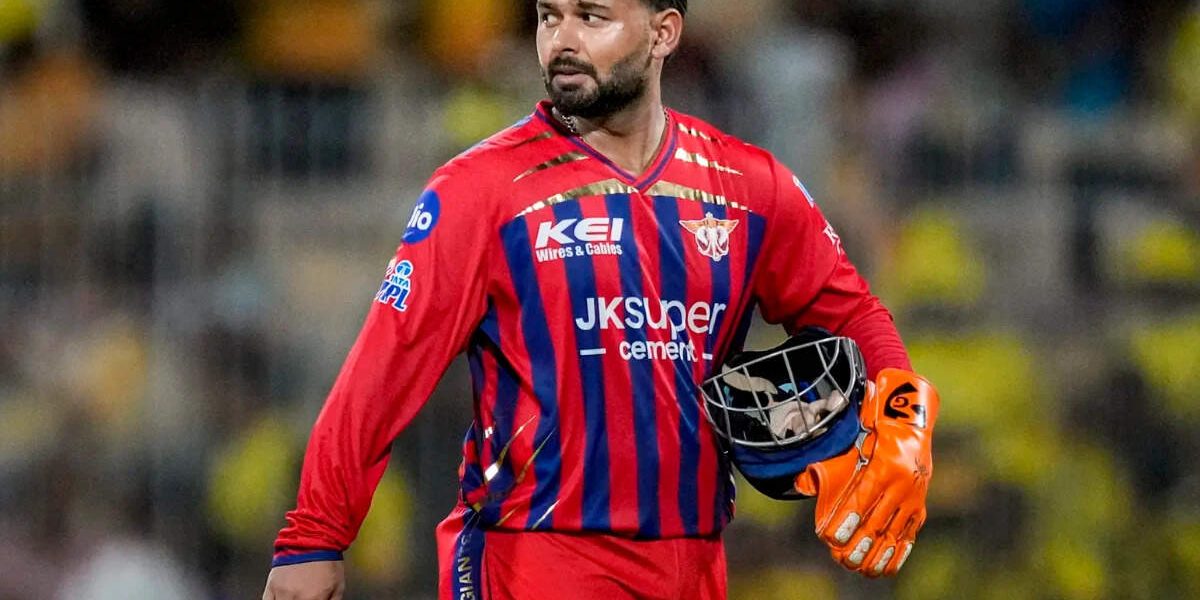
And then there’s Rishabh Pant. The captain, signed for a staggering 27 crore rupees (roughly USD 3.2 million), became the embodiment of the team’s spiral. Moody didn’t pull punches there either, noting, “From a captaincy point of view, he’s found it challenging, obviously, and the results reflect that.” Pant, once considered India’s dynamic future, visibly struggled, accumulating only 312 runs in 14 innings at a strike rate of 138.05 this season—hardly figures that justify his massive price tag or the weight of command he carried. You see it across the globe, these massive contracts, often don’t quite deliver immediate returns, or sustainable ones. Because the game itself is capricious.
But can you really just point a finger at the skipper? The so-called ‘leadership group’ at LSG — including strategic advisor Kane Williamson and head coach Justin Langer — also presided over this spectacle of decline. Everyone knew the stakes. Everyone watched as this formidable trio couldn’t arrest the slide. It feels like collective failure, doesn’t it? As Williamson, usually stoic and composed, might privately muse about the sheer force of external expectation, “We expected more of ourselves. The market demands more. We haven’t met either, and that, fundamentally, is on all of us.” It’s a polite acknowledgment of a very public, very expensive failure.
📄 POLICY WIRE WHITEPAPER PUBLISHED: PAKISTAN'S NATIONAL SECURITY POLICY PRIORITIES
👉 READ BY CLICKING HEREThe entire debacle serves as a harsh economic lesson. These leagues aren’t just about sport; they’re billion-dollar enterprises. Their success is a proxy for the robustness of consumer markets and investment climates, particularly across South Asia. In Pakistan, for instance, where cricket passion is a national religion but financial landscapes are often volatile, similar leagues grapple with sponsorship, player retention, and, yes, often wildly passionate and equally unforgiving fanbases. It’s a testament to the region’s complex economic and social dynamics, where sport becomes a microcosm of grander capital flows and emotional investments, often exposing vulnerabilities much like any other major industry might. For further analysis on broader socio-economic pressures in the region, one might examine situations where Gulf geopolitics claims silent casualties. It’s all connected, you see.
What This Means
The LSG implosion isn’t merely a blip on the sporting radar; it’s a stark object lesson in the pitfalls of hyper-commercialized athletic ecosystems. The idea of a ‘reset’ implies a simple fix, as if swapping out a few components can rectify deeply systemic issues. But in sports, particularly in a market as volatile and emotionally charged as India’s, leadership isn’t just about data analytics or star power. It’s about genuine cohesion, resilient psychological profiles, and a deep understanding of human dynamics under intense scrutiny. It’s about understanding that money doesn’t buy camaraderie, or necessarily, winning form.
This is a wake-up call for team owners — and sports investors. High-profile, expensive leadership committees can fail just as spectacularly as an untested captain. It spotlights a growing tension between the commercial drive for instant success and the organic development required for sustained excellence. What does it say when experienced strategists like Moody and Williamson—globally recognized minds—struggle to steer a heavily financed team? It hints at an underlying vulnerability in the entire model. And it forces us to ask: are we selling dreams, or are we just selling another iteration of the same, predictable cycle of hope and disillusionment, all wrapped in a shiny, IPL-branded bow?
📖 GET YOUR FREE COPY NOW OF POLICY WIRE DIGITAL MAGAZINE JULY 2026 EDITION
👉 READ & DOWNLOAD FREE MAGAZINE