


The Silent Record: When Glory Hides in Plain Sight Amidst a Stadium’s Sigh
POLICY WIRE — Mumbai, India — The Wankhede Stadium buzzed with a singular, hungry expectation, a financial and emotional pressure cooker calibrated for individual brilliance. When Vaibhav...

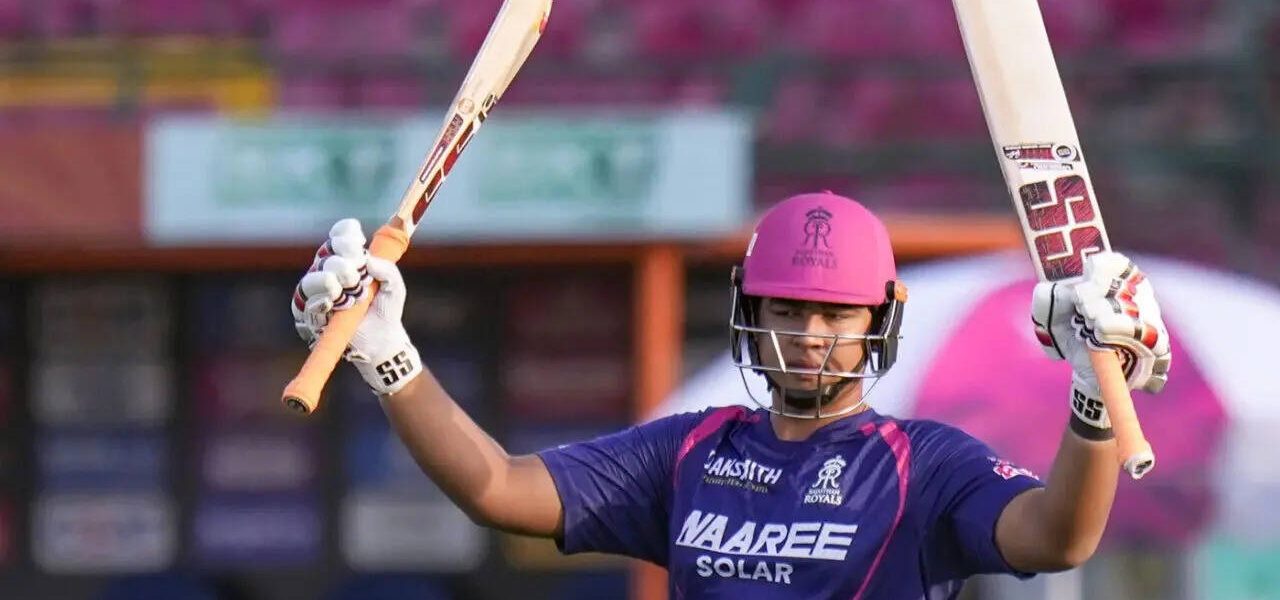
POLICY WIRE — Mumbai, India — The Wankhede Stadium buzzed with a singular, hungry expectation, a financial and emotional pressure cooker calibrated for individual brilliance. When Vaibhav Sooryavanshi, Rajasthan Royals’ touted batting wunderkind, strode onto the crease against the Mumbai Indians, every eye — and, by extension, every television metric and betting algorithm — was locked on him. He was supposed to be the crescendo, the audacious six-hitter rewriting scoreboards — and franchise fortunes. He was a sensation, they’d said, a golden ticket in the relentless carousel of the Indian Premier League. What he delivered, however, was a whimper, a fleeting four runs from six deliveries before an ignominious exit. It seemed a performance custom-designed to crush spirits.
And yet, as the crowd collectively groaned, the scoreboard — a cold, impartial arbiter — began whispering a different story. In a twist of brutal irony that only high-stakes sports can concoct, that fleeting, unremarkable knock etched Sooryavanshi’s name into history books. He’d snagged the record for the most runs by a teenager in a single T20 tournament, surpassing Devdutt Padikkal’s 580. That 4-run footnote propelled his seasonal tally to 583, a number almost audacious in its quiet assertion, especially considering the circumstances of its acquisition.
It’s the ultimate paradox, isn’t it? Failure on the field — a personal ignominy broadcast globally — somehow translating into an unbreakable milestone. That’s the IPL for you: a multi-billion dollar economic juggernaut where narrative often trumps reality, and the smallest moments carry disproportionate weight. This isn’t just about bat meeting ball; it’s about brand values, investor confidence, and the hopes of an entire nation – indeed, an entire subcontinent – fixated on every boundary and every dismissal. For the Rajasthan Royals, it was enough. They edged out rivals, securing a playoff berth with 16 points, demonstrating that team success, however bumpy, can absorb individual missteps.
“We invest heavily in raw talent like Vaibhav because they represent the future of not just our franchise, but of the sport itself,” said an IPL governing council official, who requested anonymity to speak candidly on player pressure. “But we’re also aware of the immense psychological toll. It’s a high-reward, higher-pressure environment that very few are truly prepared for.” But Sooryavanshi has, for the most part, not just survived but thrived. Data indicates he’s maintained an astonishing strike rate of 232.27 across the season, a testament to his explosive capability—and an average of 41.64. He’s punched through a century — and three half-centuries, turning him into a headline grabber for the Royals.
Because the spectacle demands it, the league keeps turning. RR now stares down Sunrisers Hyderabad in the Eliminator on May 27th. And the gaze of millions will again land squarely on the young shoulders of Sooryavanshi, his past record now a silent roar behind that momentary stutter. The question isn’t whether he can hit big, but whether he can handle the unblinking, voracious eye of expectation after showing a flicker of fallibility.
📄 POLICY WIRE WHITEPAPER PUBLISHED: PAKISTAN'S NATIONAL SECURITY POLICY PRIORITIES
👉 READ BY CLICKING HEREKumar Sangakkara, the Royals’ Director of Cricket and a former international captain, put it into perspective, saying, “Vaibhav’s journey this season encapsulates what professional cricket, especially T20, really is. It’s never about one game or one shot; it’s about the relentless pursuit of excellence and the grace to learn when you stumble. His record wasn’t broken by a perfect innings, but by sheer consistency over time, a far more valuable trait.”
What This Means
This episode, rather than just being a footnote in an IPL season, offers a stark, potent microcosm of the South Asian economic and cultural landscape in which professional sports like cricket operate. The Indian Premier League isn’t just a sporting event; it’s a massive, multi-faceted enterprise that acts as a significant economic engine, influencing everything from local advertising revenues to international sponsorship deals. Teenage phenoms like Sooryavanshi aren’t merely cricketers; they’re highly scrutinized investments, walking billboards for brands, and symbols of aspiration for millions of youngsters from Karachi to Dhaka, all dreaming of escaping poverty through bat and ball. The scrutiny, both adoring — and unforgiving, that accompanies such stardom often creates intense psychological burdens. It’s a delicate dance between immense opportunity and crushing pressure.
The league’s continued success — and the constant churn of new stars have implications far beyond India’s borders. The fervent followings in Pakistan and other Muslim-majority nations in South Asia—where cricket is almost a religion—highlight the immense shared cultural ties and the deep resonance of such tournaments, even if their own players can’t directly participate in the IPL due to political realities. The financial flows, the media empires built around it, and the very concept of overnight fame, create ripple effects throughout the region. This incident—a stumble leading to a record—isn’t just a statistical quirk; it’s a living parable about the cutthroat business of modern sports and the fragile, fleeting nature of fame under the blinding lights of global capitalism.
📖 GET YOUR FREE COPY NOW OF POLICY WIRE DIGITAL MAGAZINE JULY 2026 EDITION
👉 READ & DOWNLOAD FREE MAGAZINE