


Mango Heir’s Arrest Sends Shockwaves Through Global Fashion Dynasty
POLICY WIRE — Barcelona, Spain — The silence was always its loudest statement, a curated quietude guarding the upper echelons of one of Spain’s most successful fashion empires. Now, that hush has...

POLICY WIRE — Barcelona, Spain — The silence was always its loudest statement, a curated quietude guarding the upper echelons of one of Spain’s most successful fashion empires. Now, that hush has shattered into a cacophony of whispers, legal pronouncements, — and raw speculation. The House of Mango, long an emblem of accessible European style, finds its name dragged through a starker, far less fashionable narrative.
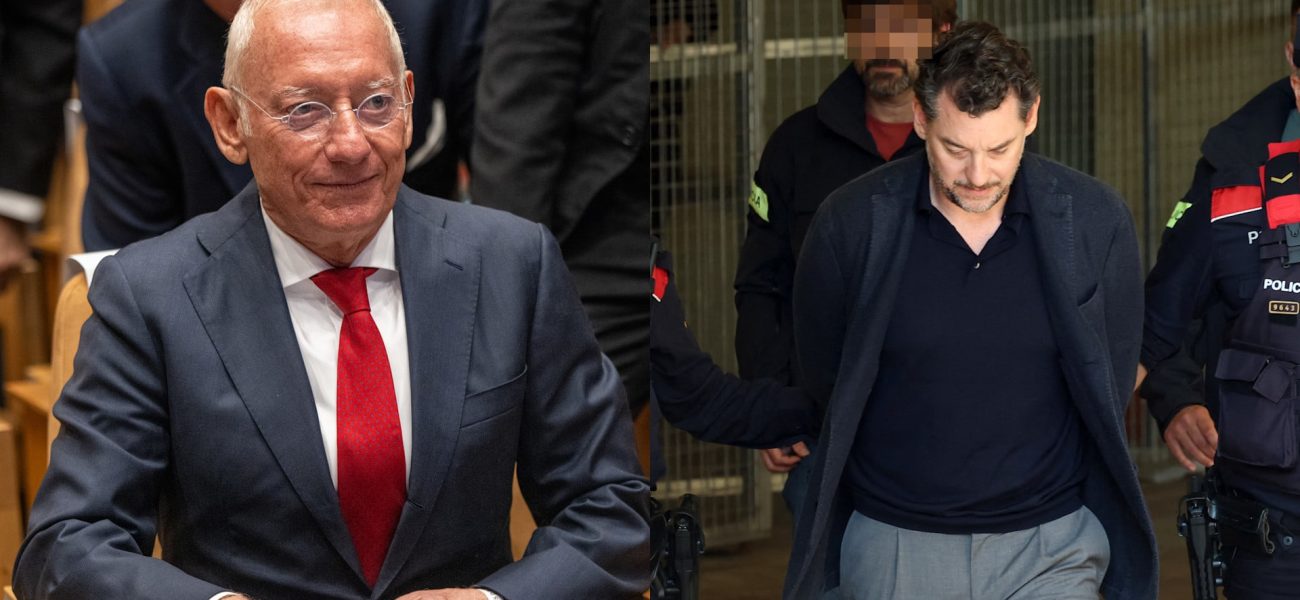
It’s a bombshell that blindsides even the most jaded industry observers, hitting like a poorly tailored truth. Jonathan Andic, 43, widely seen as the heir apparent to the colossal retail fortune built by his father, Isak Andic, stands arrested in connection with the founder’s death. Authorities nabbed him this past Monday, his mug shot — a jarring contrast to the glossy ad campaigns— circulating behind closed doors in corporate suites across Europe and Asia. For a brand built on aspiration, this arrest cuts deep.
Isak Andic, the self-made tycoon who founded Mango in 1984, was found deceased a few weeks back at his sprawling Barcelona estate. Initial reports, discreetly handled, spoke of a tragic, unfortunate accident – a fall, perhaps. But investigators, it seems, weren’t buying that clean, convenient story. The police aren’t saying much; they rarely do when things get sticky like this. But it’s obvious something shifted. The narrative switched from sorrow to suspicion, almost overnight.
The Andic family has, predictably, remained cloaked in grief and, now, stunned silence. Sources close to the investigation, who declined to be named, suggest a complicated family dynamic often shadowed by the weight of immense wealth and power. Because when you’re building an empire that rakes in billions of euros annually—Mango reported revenues exceeding 2.68 billion euros in 2023, according to industry financial reports—there are always undercurrents, aren’t there? Unspoken expectations. Generational pressures. And sometimes, those currents turn ugly.
“We’re not speculating on motives or individual responsibility,” stated Inspector Elena Rodriguez of the Catalan regional police, her voice measured but firm during a brief, guarded statement earlier today. “The investigation is complex, examining all available evidence related to Mr. Isak Andic’s death. This is an active case, and discretion is paramount to its integrity.” That’s law enforcement speak for, ‘There’s a lot we can’t tell you, but rest assured, we’re digging deep.’
📄 POLICY WIRE WHITEPAPER PUBLISHED: PAKISTAN'S NATIONAL SECURITY POLICY PRIORITIES
👉 READ BY CLICKING HEREBut the fallout extends far beyond Barcelona’s elegant avenues. Mango isn’t just a Spanish brand; it’s a global player, with a significant footprint in South Asia and the wider Muslim world. The company operates hundreds of stores, employs tens of thousands, and sources textiles from countries like Pakistan, Bangladesh, and Turkey. A scandal of this magnitude—involving the suspected foul play within the founder’s own family—can erode trust, not just in boardrooms but also in bustling bazaars and garment factories far afield. Consumers, particularly those in Muslim-majority nations increasingly attuned to ethical governance and brand integrity, watch closely. How a dynastic brand navigates such a treacherous familial rupture might very well dictate its commercial viability in these sensitive, high-growth markets. But how it all unwinds? Who knows?
“Isak Andic didn’t just build a brand; he built an institution, a personal legacy that transcended mere clothing sales,” observed Anaïs Dupont, a Geneva-based luxury retail strategist, during a frantic phone call. “This isn’t just a corporate crisis; it’s a deeply personal, human tragedy playing out on a very public, global stage. For the industry, it’s a stark reminder that even the most meticulously crafted façades can—and often do—crumble from within. The question for Mango is whether it can survive this particular reckoning of familial politics.”
And so, a company famed for dressing the masses now finds its own internal drama stripped bare, uncomfortably exposed. The fashion world, accustomed to ephemeral trends, now stares at a much darker, much more permanent kind of darkness. It’s a grisly turn of events that no amount of haute couture can possibly cover up.
What This Means
The arrest of Jonathan Andic has ignited a blaze of uncertainty, both for Mango’s operational future and its carefully constructed public image. Economically, even short-term, expect volatility. Investor confidence often wavers dramatically when the top echelon of a family-controlled empire is embroiled in criminal proceedings—especially when the founder’s death is in question. This isn’t just a CEO changing hands; it’s the very foundation shaking. Internally, a power vacuum, or at least a confused line of succession, seems inevitable, which can paralyze strategic decisions for months. Key market expansion plans, supply chain commitments, even routine operations could snag. Politically, the optics are rotten, staining Spain’s high-fashion credibility and potentially complicating global partnerships. Brands, after all, are increasingly seen as cultural ambassadors. A scandal of this nature doesn’t just impact sales; it can invite greater scrutiny on labor practices, corporate governance, and ethical sourcing, particularly in developing countries that rely on such foreign investment. In an era where corporate social responsibility is more than just a buzzword, Mango faces an uphill battle to regain public trust and assure its diverse international stakeholders—from Barcelona’s streets to Dhaka’s textile mills—that it’s still a company worth wearing. Because money talks, but reputation screams. And right now, Mango’s is screaming in horror.
📖 GET YOUR FREE COPY NOW OF POLICY WIRE DIGITAL MAGAZINE JULY 2026 EDITION
👉 READ & DOWNLOAD FREE MAGAZINE