


Embers of Indifference: Albuquerque Blaze Highlights America’s Burgeoning Waste Crisis
POLICY WIRE — ALBUQUERQUE, N.M. — It started, as these things often do, with an inferno. Not the kind that makes international headlines—no geopolitical tremors here—just a very large, stubborn fire...

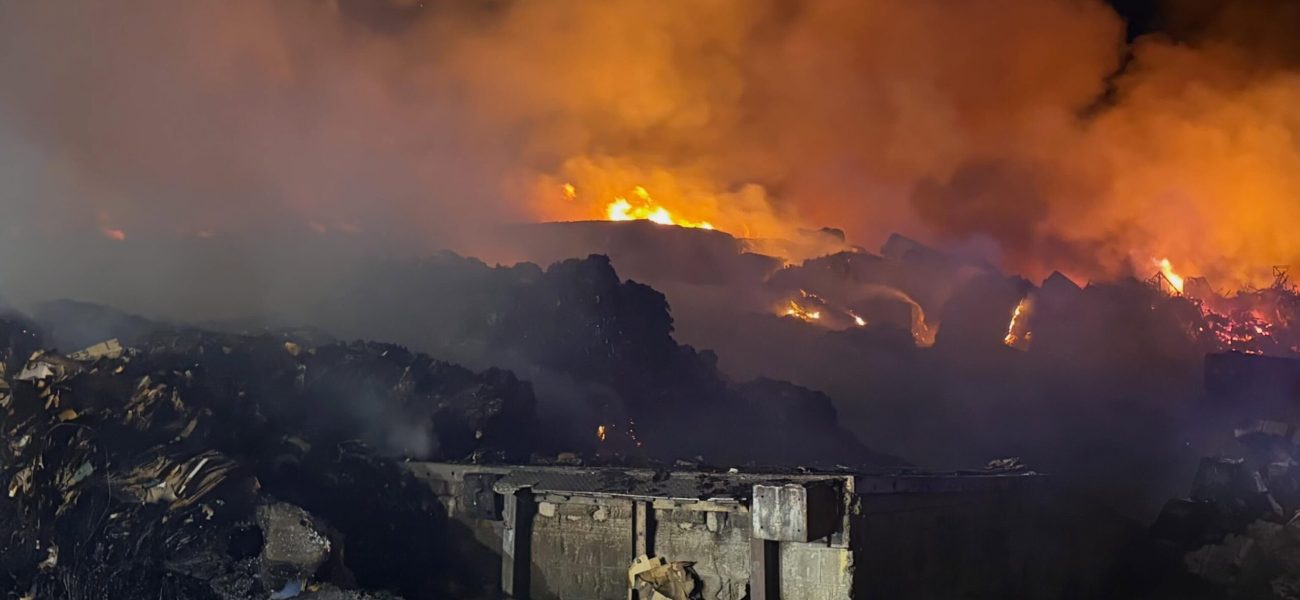
POLICY WIRE — ALBUQUERQUE, N.M. — It started, as these things often do, with an inferno. Not the kind that makes international headlines—no geopolitical tremors here—just a very large, stubborn fire devouring two acres of what we’d optimistically called ‘recycling.’ A yard brimming with America’s castoffs, ablaze in New Mexico’s South Valley. For hours, Saturday night became a tableau of choking smoke, flashing lights, and the grim dance of firefighters battling the inevitable consequences of our collective consumption.
Because, really, what’s more telling about a society than its trash? Or, in this case, its burning dreams of sustainability? Bernalillo County — and Albuquerque fire crews, more than 50 of ‘em, fought a tenacious battle. They got it ‘under control’ by 9 p.m.—a curious phrase, that, for something still actively smoldering—but the plumes of noxious fumes had already declared victory, forcing a public health alert across the area. Broadway’s shut down, too. A traffic inconvenience, certainly, but a much larger inconvenience to the notion that we’re, you know, actually handling all this stuff.
It’s easy to dismiss a recycling yard fire as a local nuisance, a freak accident, or perhaps, simply, a Tuesday in the Anthropocene. But don’t misunderstand. This blaze—a real environmental headache—is just a tiny, smoky tendril reaching out from a much bigger problem. It’s an inconvenient spotlight on how we, in the developed world, manage (or spectacularly mismanage) the staggering amount of waste we produce. And it has implications that stretch far beyond a closed roadway in Albuquerque, often touching parts of the world few Americans ever consider.
“We tell folks to recycle, we push programs, but then you get incidents like this,” mused Deputy Chief Robert Sanchez of the Bernalillo County Fire Rescue, sounding a bit weary after his crews’ extended shifts. “It’s a complicated ecosystem, even for garbage. And when it goes wrong, it really goes wrong. We’re talking airborne contaminants here, not just a property loss.”
And then there’s the quiet exasperation from city officials. Mayor Tim Keller’s office, in a statement undoubtedly crafted with careful political calibrating, expressed concern. “This isn’t merely about fire suppression; it’s about public safety and understanding why these types of facilities become such liabilities,” a mayoral aide, requesting anonymity to speak frankly, told Policy Wire. “We’ve got to revisit the regulatory framework, really dig into the economics of waste processing. Our residents deserve better than breathing in melted plastic byproduct because a system broke down.”
📄 POLICY WIRE WHITEPAPER PUBLISHED: PAKISTAN'S NATIONAL SECURITY POLICY PRIORITIES
👉 READ BY CLICKING HEREIt isn’t just about New Mexico, of course. Globally, humans generate over 2 billion tons of municipal solid waste annually, with this figure projected to reach 3.4 billion tons by 2050, according to the World Bank’s ‘What a Waste 2.0’ report. Where does it all go? Increasingly, not where it’s supposed to. Much of it ends up, for instance, in vast landfills, or—more controversially—shipped across oceans. Think about Pakistan. Countries like Pakistan and other nations across South Asia and the broader Muslim world, with their burgeoning populations and often-strained infrastructures, grapple daily with the practicalities of waste. They’re often on the receiving end of what the West no longer wants to deal with—sometimes through legitimate trade, sometimes less so—exacerbating their own environmental crises. So a fire here, a signal of domestic system failures, sends quiet ripples that complicate already challenging global efforts to handle trash, a commonality from Albuquerque to Lahore.
What This Means
This fiery episode, while contained, illuminates some stark economic — and political realities. First off, there’s the financial hit. Taxpayer money for the fire response, the public health monitoring, the inevitable cleanup, and probably fines—it’s not chump change. Second, it calls into question the efficacy of current waste management policies. Are local regulations robust enough? Are these yards, which are essentially ticking time bombs of flammable material, being properly vetted — and inspected? It’s not a stretch to link this to broader governmental oversight, or frankly, the lack thereof. But it’s also a deeply embedded philosophical failure—a willingness to externalize environmental costs until they quite literally become a public health emergency. This New Mexico conflagration is an inconvenient reminder: that whole ‘out of sight, out of mind’ thing? Doesn’t really apply to waste. It tends to find its way back, often in spectacular, smoky fashion, leaving citizens wondering just who’s minding the store—or the smoldering pile of plastic.
And yes, the irony isn’t lost on us. We ship our used batteries and old electronics around the world—a sort of modern-day imperial trade of refuse, where the ecological burden gets shifted from wealthier nations to poorer ones. It’s an inconvenient truth that much of what’s called ‘recycling’ is just outsourcing the problem, contributing to situations that parallel our own difficulties, albeit often on a far grander, more tragic scale. For a deeper dive into the complexities of global manufacturing and resource flow, one might even consider China’s growing influence on global markets—it’s all connected, you see. That’s how these little local embers can signal such wide, interconnected concerns.
📖 GET YOUR FREE COPY NOW OF POLICY WIRE DIGITAL MAGAZINE JULY 2026 EDITION
👉 READ & DOWNLOAD FREE MAGAZINE