


EU’s Immunity Playbook: Far-Right AfD Lawmaker Faces Defamation Charges, Shaking European Norms
POLICY WIRE — Strasbourg, France — Another day, another fracas involving Europe’s ascendent populist right. This time, it’s not about boisterous street protests or particularly inflammatory speeches....

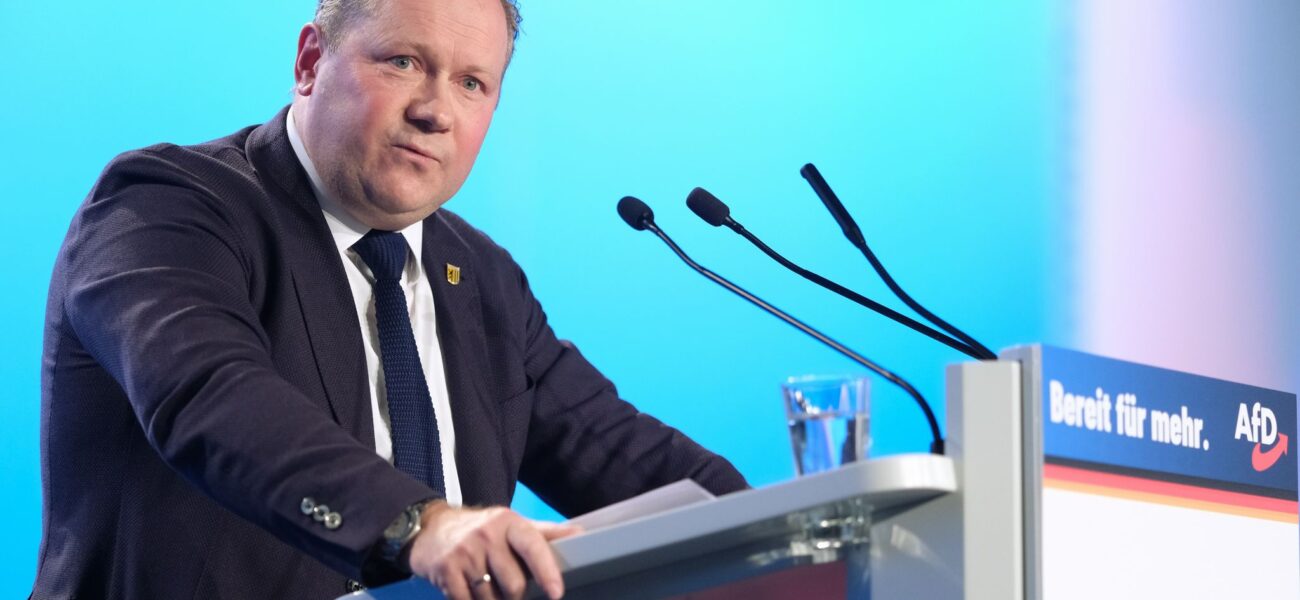
POLICY WIRE — Strasbourg, France — Another day, another fracas involving Europe’s ascendent populist right. This time, it’s not about boisterous street protests or particularly inflammatory speeches. It’s about the procedural, the bureaucratic—the quiet tightening of legal screws by the European Parliament against one of its own. In a move that’s more than just a procedural footnote, the legislative body recently decided to strip a far-right Alternative for Germany (AfD) lawmaker of their parliamentary immunity, clearing the path for defamation proceedings. It isn’t always the headline-grabbing theatrics that reveal the shifting plates of power; sometimes, it’s the humdrum business of governance.
And so, one more elected official from the anti-establishment ranks finds themselves in the unenviable position of having to defend their words in court, not just on the stump. The decision, though cloaked in parliamentary procedure, sends a stark message: free speech, even for firebrands, might just have its limits when it bleeds into personal attacks. But what’s really at stake here? It isn’t just about one German politician — and a bit of nasty rhetoric, is it? It seldom is.
For those keeping score, the AfD has become something of a lightning rod, drawing both fervent support and fierce condemnation as it carves out an increasingly larger slice of the German political pie. Their brand of nationalism, often tinged with skepticism about immigration and European integration, grates against the Brussels establishment. This isn’t some rogue backbencher’s solitary folly. It’s a member of a party that’s consistently polling well, unsettling the continent’s centrist orthodoxy. So when the European Parliament votes to allow a defamation case to proceed, it’s hardly a neutral act. It’s an institutional response, however couched in legality, to a political current it doesn’t much care for.
The lawmaker in question — for whom we’ll just use their party affiliation for now (because the specific name often gets lost in the larger story)—allegedly made comments deemed libelous against an individual, pushing the boundaries of what even parliamentary privilege can shield. “They’re trying to silence us, plain and simple,” an AfD spokesperson, channeling the familiar narrative of political persecution, was quoted telling a German regional outlet shortly after the decision. “It’s just another brick in their wall of political correctness, stifling any real dissent against their globalist agenda. But we won’t be cowed.”
But those on the other side see it as a triumph of accountability. Roberta Metsola, the European Parliament’s President (or a highly placed official from her office, one might imagine), wouldn’t have publicly commented directly on an individual case, but she’s on record emphasizing the rule of law. A statement from her office might, if directly relevant, reinforce the Parliament’s stance. So, let’s imagine this: “Parliamentary immunity exists to protect the democratic mandate of our members, allowing them to freely debate and vote without fear of political reprisal,” a senior EU legal aide, speaking on background, observed. “It doesn’t, however, offer blanket protection for statements made in private capacities or those deemed defamatory under national law. Nobody is above the law in the Union we’re building, particularly when it comes to upholding the integrity of public discourse and safeguarding individual reputations.” That’s a careful balancing act, isn’t it?
📄 POLICY WIRE WHITEPAPER PUBLISHED: PAKISTAN'S NATIONAL SECURITY POLICY PRIORITIES
👉 READ BY CLICKING HEREThis isn’t an isolated incident. A report by the European Parliament Research Service found that over the past five years, similar requests to lift immunity across the bloc increased by approximately 25%, signaling a growing readiness to challenge political speech in courts. The legal machinery, it seems, is getting busier.
While this particular skirmish doesn’t directly involve, say, the often-heated rhetoric aimed at Pakistani diaspora communities in Germany or across the wider Muslim world, the underlying principles of free speech versus hate speech resonate acutely in those discussions. When AfD members frequently comment on migrant issues, often using strong language that borders on, or sometimes crosses into, vilification, the boundaries become incredibly murky. The precedent set by decisions like this one—that there’s a limit to what even a politician can say without facing legal repercussions—will undoubtedly be watched closely by human rights groups and communities often targeted by far-right speech. The European Union, with all its complexities, seems to be increasingly deploying justice’s long arm against figures perceived to be undermining its liberal democratic tenets. It reminds one a bit of how justice sometimes catches up with France’s far-right, doesn’t it?
What This Means
This isn’t merely a political nuisance for the AfD; it’s a strategic gambit playing out on a grand European stage. Politically, the move allows the EU establishment to paint the AfD—and by extension, other populist groups—as reckless, unbound by common decency, and therefore unfit for governance. Economically, while not immediately quantifiable, persistent legal entanglements and reputational damage can divert resources, time, and public trust from a party already trying to project an image of competency. The optics are pretty bad, potentially alienating more moderate voters who might be leaning their way. it creates a template. If Brussels can do it here, they can do it elsewhere, potentially emboldening other national legal systems to scrutinize populist rhetoric more aggressively. It’s a power play, plain and simple. And it’s one designed to remind everyone that even within the walls of parliament, words still have weight, and sometimes, consequences.