


Spain’s Inferno: When the Holiday Sun Turns to Arson on Nature’s Doorstep
POLICY WIRE — Madrid, Spain — The scent of scorched earth hangs heavy over Andalusia, not just a geographical marker, but a stark, acrid reminder. This isn’t merely the lingering smell of...

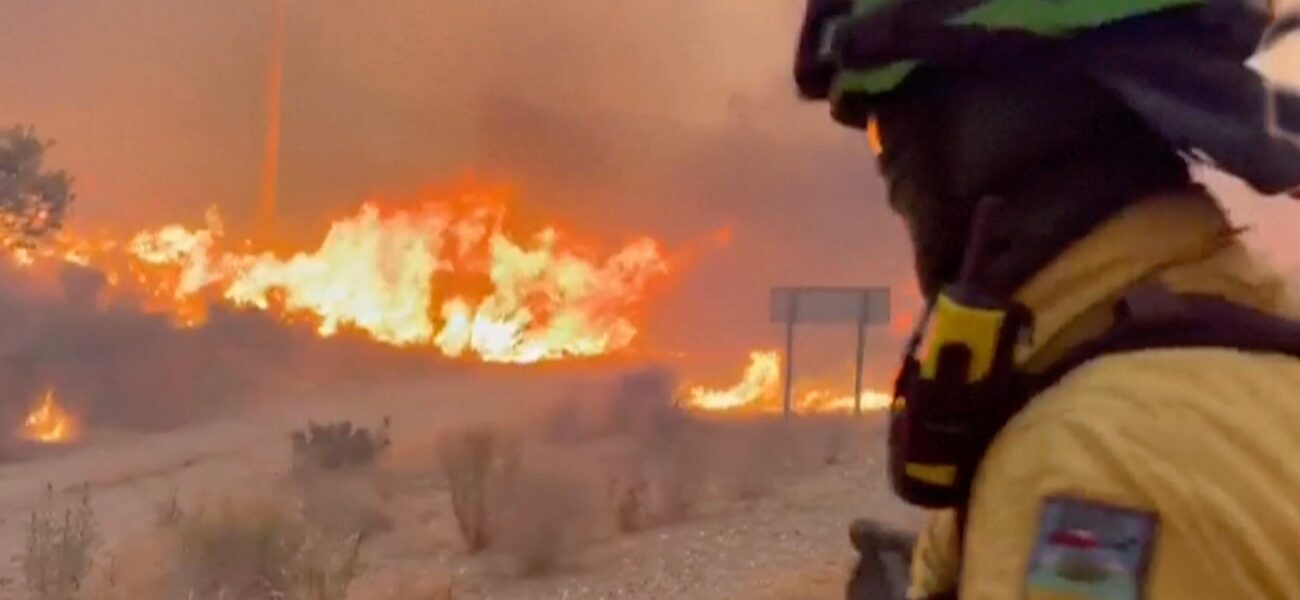
POLICY WIRE — Madrid, Spain — The scent of scorched earth hangs heavy over Andalusia, not just a geographical marker, but a stark, acrid reminder. This isn’t merely the lingering smell of autumn; it’s the stench of an ongoing crisis, a testament to what happens when pristine forests, parched by relentless sun and decades of neglect, finally give way to the inevitable. Eleven lives, snatched by the furnace, weren’t just a number—they were a brutal tally against a landscape too long taken for granted, transforming serene Spanish hillsides into an inferno. And for many, this tragedy feels less like an accident — and more like a macabre prediction finally coming home.
It’s not just the scale of the destruction that’s unsettling, it’s the unsettling regularity of it all. Each year, Europe finds itself grappling with these monstrous blazes, as rising temperatures and shifting weather patterns create a perfect storm for catastrophe. These weren’t some spontaneous brush fires; they were voracious, wind-whipped behemoths, swallowing everything in their path. The speed — and ferocity, say locals, was something previously unimaginable. Entire communities, typically accustomed to their sleepy rhythms, suddenly found themselves staring down a wall of orange, their lives literally up in smoke. It’s a climate conundrum, this—a relentless warming that turns once-temperate zones into tinderboxes.
“We’ve neglected our responsibilities, plain and simple,” declared Andalusia’s regional environmental minister, Susana Vargas, her voice tight with thinly veiled anger during a somber press briefing. “For too long, we’ve prioritized development over conservation, allowing urban sprawl to creep closer to these vulnerable ecosystems. This isn’t just a fire; it’s a symptom of a larger illness, an acute warning shot across the bow for anyone still doubting the realities of a changing climate.” She didn’t mince words. Because when the stakes are human lives and hectares of irreplaceable natural beauty, there’s no room for diplomatic niceties.
But the flames care little for political posturing or scientific consensus. They dance on, oblivious, a chilling performance that Spain and its Mediterranean neighbors are becoming grimly accustomed to. According to data from the European Forest Fire Information System (EFFIS), the number of fires and the total area burned in Europe during 2022 significantly exceeded the annual average for the past 15 years, a trend that appears stubbornly persistent. It’s a statistic that hits different when you’re watching homes dissolve into ash on a 24-hour news loop.
Spanish Prime Minister Pedro Sánchez, surveying the devastation, offered condolences but also a grim prognosis. “This volatile environment, these increasingly extreme weather events—they’re not outliers anymore,” he stated, his usual oratorical flourish subdued by the gravity of the moment. “They’re, tragically, our new normal. We must adapt, yes, but more importantly, we must accelerate our efforts to mitigate this crisis, not just for Spain, but for a global community increasingly under threat.” Acknowledging the profound impact such events have, Sánchez spoke of an unavoidable reckoning with environmental policy and resource allocation.
Half a world away, regions like Pakistan understand this struggle intimately. Their own battles with unprecedented floods, crushing heatwaves, and erratic monsoons serve as a potent parallel to Europe’s fiery predicament. While the nature of the disaster differs, the root cause—climate instability—is a shared menace, indiscriminately impacting both wealthy European states and vulnerable South Asian nations. It’s a brutal global equalizer, really—nature’s indifference to GDP or geographical separation.
📄 POLICY WIRE WHITEPAPER PUBLISHED: PAKISTAN'S NATIONAL SECURITY POLICY PRIORITIES
👉 READ BY CLICKING HEREBut for those sifting through the charred remains, for the families forever altered, the geopolitical parallels offer cold comfort. They want answers. They want action. And they want reassurance that the green heart of Andalusia, an emblem of southern Europe’s unique charm, won’t be reduced to a recurring, desolate wasteland. The fight against the fires might be over for now, but the battle for resilience, for preventative measures—for a realistic acknowledgement of climate’s furious hand—that’s just beginning. It requires a reckoning, a new kind of gamble on the continent’s future, and one they can’t afford to lose.
What This Means
The immediate political fallout in Spain will undoubtedly center on accountability: what went wrong, and could more have been done? Regional governments, often the first line of defense, will face intense scrutiny over emergency response protocols and long-term forest management strategies. Economically, Andalusia, a region heavily reliant on tourism and agriculture, will feel the burn beyond just the physical damage. Reputations of scenic holiday destinations can be surprisingly fragile, easily singed by headlines depicting raging infernos. Long-term, this incident amplifies the urgent need for robust EU-level climate adaptation funding and unified policy, not just reactive firefighting. There’s a tangible economic threat here to Europe’s south, a persistent drain on national budgets and a disrupter of daily life. For the international community, Spain’s tragedy serves as another inconvenient mirror, reflecting shared vulnerabilities and underscoring how climate change, once a theoretical problem for distant lands, is now actively rewriting the European landscape—and costing lives in the process. It’s a grim reminder of how fragile our engineered comforts are when pitched against the fury of a warming planet. Just ask any villager who watched their life’s work vanish in an afternoon, an all-too-common occurrence in this new era of global climate turbulence, from Spain to Asia’s fault lines.