
The Familiar Refrain: Tehran’s ‘No Compromise’ Echoes as Diplomacy Fades to Fiction
POLICY WIRE — Vienna, Austria — Another round of indirect talks, another exhausted sigh from the international community. You’d think, after decades, someone might learn the dance steps—or at...

POLICY WIRE — Vienna, Austria — Another round of indirect talks, another exhausted sigh from the international community. You’d think, after decades, someone might learn the dance steps—or at least change the song. But here we’re again, staring down the barrel of Tehran’s familiar ‘no compromise’ rhetoric, an echo chamber where diplomatic progress goes to die a quiet, bureaucratic death. This isn’t just about negotiations; it’s about the deep-seated, often performative, resistance that defines much of the US-Iran relationship. Washington still talks of paths and off-ramps, but Tehran’s response is often less about charting a course and more about digging in its heels.
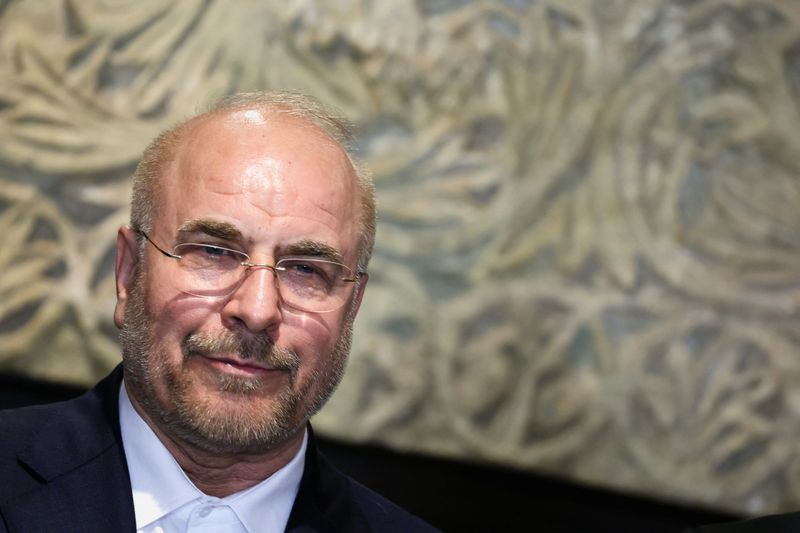
It’s become almost a tradition, hasn’t it? The diplomatic machinery whirs, pundits prognosticate, and then, invariably, Iran’s chief negotiator emerges to declare that the nation won’t be swayed, won’t concede, won’t—heaven forbid—compromise. Ali Bagheri Kani, Tehran’s top negotiator, wasn’t mincing words this time around, albeit via state media rather than a grand press conference. He sounded a defiant note, one that’s become all too predictable. “Washington can send all the envoys it likes, but our nation’s sovereignty isn’t for sale,” Kani reportedly asserted, his message carried across regional news feeds like a dry desert wind. “We’ve drawn our red lines, — and frankly, they’re non-negotiable. Anyone expecting us to bend simply doesn’t understand the Persian spirit.”
And so, the diplomatic cul-de-sac just gets deeper. The Americans, for their part, trot out their usual expressions of concern mixed with a dash of weary optimism. They maintain the door is open, while privately — or not so privately, sometimes — tearing out their hair over the sheer intractability. Because when one side views every offer as a Trojan horse and every request as an existential threat, well, what’s left but this eternal waltz of unfulfilled expectations? Senior U.S. State Department officials, usually speaking on background for “candor,” sound like broken records themselves. “The path to de-escalation requires a willingness to engage constructively,” lamented one official familiar with the talks, speaking off the record as always. “We’ve repeatedly offered avenues for dialogue, but Iran’s maximalist positions—frankly, they don’t serve anyone’s interests, certainly not their own people’s. It’s a tiring cycle.”
This isn’t just some diplomatic dust-up, though. It’s the persistent political background radiation in a region already prone to volatility. Each stubborn declaration from Tehran reverberates through capitals from Riyadh to Islamabad, casting a longer shadow over Gulf security and global energy markets. For countries like Pakistan, strategically situated between Iran and its traditional Arab rivals, Tehran’s inflexibility adds layers of complication to regional stability. Islamabad often finds itself walking a tightrope, aiming to foster regional peace while navigating complex alliances and burgeoning strategic partnerships—think China’s expanding influence. Tehran’s tough talk means less breathing room for everyone, complicating any attempt at broader regional reconciliation or coordinated security efforts within the Muslim world.
But there’s a certain grim effectiveness to Iran’s strategy, too. For all the economic pain of sanctions, the country has proven remarkably adept at finding workarounds, adapting to isolation rather than capitulating. The U.S. Energy Information Administration (EIA) estimates that Iran’s crude oil production averaged 2.9 million barrels per day in 2023, up significantly from lows under 2 million b/d just a few years prior, illustrating a degree of resilience despite sanctions. This persistent economic fortitude, coupled with an ideological commitment to what it perceives as national honor, fuels its unwavering posture. And it creates a dilemma for Washington: how do you force a compromise from a regime that doesn’t seem to fear economic strangulation or diplomatic isolation, at least not enough to alter its fundamental approach?
📄 POLICY WIRE WHITEPAPER PUBLISHED: PAKISTAN'S NATIONAL SECURITY POLICY PRIORITIES
👉 READ BY CLICKING HEREThese ‘negotiations’ increasingly feel like political theater, a performance for domestic audiences as much as a serious engagement with adversaries. For Tehran, maintaining a strong, unyielding front against the ‘Great Satan’ serves a core function of internal legitimacy. For Washington, keeping the door ajar, even if barely, offers the pretense of diplomatic efforts—a necessity in its own foreign policy narrative. The pity of it’s, real stakes are involved: nuclear proliferation, regional conflicts, and the wellbeing of ordinary people caught in the crossfire of this eternal stalemate.
What This Means
This latest salvo from Tehran suggests several unsettling implications. Politically, it confirms that the Biden administration’s hopes for a swift, comprehensive return to the 2015 nuclear accord—or a new, improved version—remain pipe dreams. Iran’s steadfastness signals a commitment to a slow burn strategy, where it believes time is on its side, — and that U.S. resolve will eventually falter. Economically, this rigid stance ensures the continuation of punitive sanctions, starving the Iranian populace of opportunities for growth and deeper global integration. It means businesses looking to engage with Iran will continue to face immense regulatory hurdles and the constant threat of secondary sanctions.
it pushes the United States and its regional allies—particularly Israel and Gulf Arab states—further towards contemplating more assertive, non-diplomatic options, heightening the risk of direct confrontation. It also bolsters the perception in some quarters that international diplomacy with Iran is a fool’s errand, making future attempts even more arduous. The risk of miscalculation escalates with each missed opportunity for dialogue, leaving a vacuum where brinkmanship can thrive. Ultimately, this hardline position doesn’t just impact the immediate future of the talks; it entrenches a volatile status quo, guaranteeing continued instability in an already fragile Middle East and demanding perpetual vigilance from global powers.
📖 GET YOUR FREE COPY NOW OF POLICY WIRE DIGITAL MAGAZINE JULY 2026 EDITION
👉 READ & DOWNLOAD FREE MAGAZINE