


Colombo’s Infernal Reckoning: Prison Walls Collapse Under Shadow of Drug Wars
POLICY WIRE — Colombo, Sri Lanka — The silence, now, must be chilling. It settles over Negombo prison not as peace, but as the grim aftertaste of an uncontrolled eruption— an ugly stain on a nation...

POLICY WIRE — Colombo, Sri Lanka — The silence, now, must be chilling. It settles over Negombo prison not as peace, but as the grim aftertaste of an uncontrolled eruption— an ugly stain on a nation already wrestling with its own deep, festering wounds. Nobody got out; the perimeter stayed secure, they say. But inside? Well, inside was a horror show, — and it’s taken the lives of too many to simply brush away.
It’s easy to look away when prison walls loom, forgotten monoliths for forgotten people. But you can’t ignore the fallout when the count hits twenty-seven dead, can you? That number alone screams; it’s a desperate warning sign. Sri Lanka launched an investigation on Tuesday, sure. A perfunctory action, perhaps, but a necessary one, after what’s being called its deadliest prison riot in years. And let’s not mince words here: this wasn’t some spontaneous jailhouse dust-up. No, this was pure, unadulterated carnage, driven by rival drug gangs, apparently. Their deadly reach now extends far beyond the streets, right into the state’s supposed control zones.
On Monday, all hell broke loose. The official narrative suggests a brutal turf war, clashes between rival drug gangs
escalating into an all-out, no-holds-barred brawl that ultimately led to the death toll from clashes between rival drug gangs rose to 27
. That’s a staggering human cost for an institution meant to contain, not multiply, conflict. It’s also an indictment of a system stretched thin, struggling to manage—or maybe even willfully ignoring—the deep criminal networks flourishing beneath its watch.
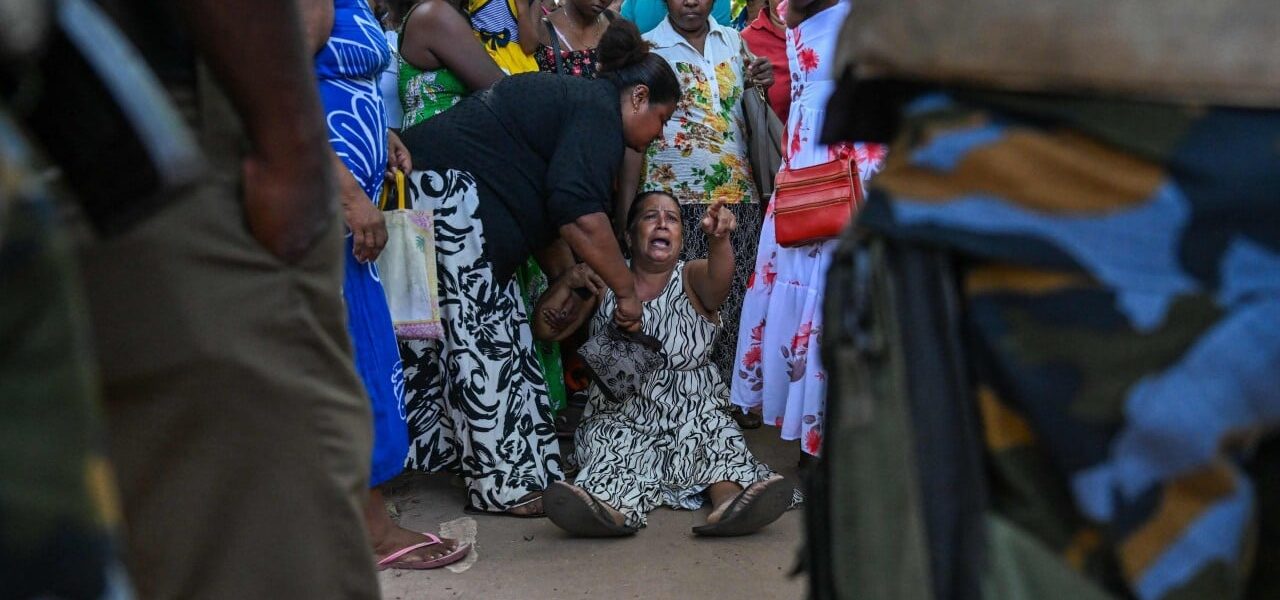
The state’s immediate response was telling, wasn’t it? Armed police and commandos were not sent into the prison
— a decision that surely saved lives of guards and minimized broader chaos, but leaves open questions about the true level of internal control— but were deployed to guard the perimeter of Negombo prison
. Because heaven forbid these particular bad problems spilled out into polite society. That’s always the priority, keeping the lid on things externally. Internally, well, what happened in there stayed in there, mostly.
Justice Minister Harshana Nanayakkara told parliament on Tuesday that a criminal investigation had begun. Alongside that, they’re undertaking some sort of [QUOTE_PLACEHOLDER] for a separate inquiry. It’s a familiar refrain from governments facing uncomfortable truths: launch a probe, promise answers, hope public outrage dissipates. But how much longer can that hold?
Because the real problem, the actual festering sore, isn’t just a riot. It’s the underlying infrastructure that allowed it to happen. Sri Lanka’s prisons have always been overcrowded; it’s practically tradition. We’re talking about facilities built for a different era, bursting at the seams, often running at 200% or even 300% capacity in some districts, according to local human rights groups, leading to widespread gang recruitment. And now, the booming, untamed drug trade has simply added rocket fuel to that inferno. You’ve got an entrenched, well-funded narcotics market outside, — and its tendrils reach deep inside the walls. These gangs, they don’t just operate on the streets; they run mini-empires from their cells, dictating terms, intimidating, dealing. And when that system inevitably breaks down, when the delicate, corrupt balance is disrupted, you get bloodbath like Negombo.
And it isn’t just Sri Lanka struggling with this. Our regional neighbours face similar battles. Pakistan, for instance, grapples with a burgeoning drug problem, too, especially around the trafficking of opiates from Afghanistan. Their correctional facilities, just like many across South Asia and the Muslim world, are often antiquated, underfunded, and hopelessly overcrowded. These are fertile breeding grounds for radicalization — and continued criminal enterprise, not rehabilitation. So while the headlines might focus on Colombo, the issue resonates much further afield. It’s a systemic rot. An ugly global truth, just, you know, miniaturized for local consumption.
The authorities tightened security following the clashes on Monday that also wounded more than 100. Of course they did. After the fact. But what about proactive measures? What about dismantling these networks from the ground up? What about actually addressing prison reform and overpopulation instead of just reacting to the next inevitably violent outburst?
What This Means
This incident is less an anomaly and more a stark reflection of deepening systemic cracks within Sri Lanka’s governance, especially its justice and law enforcement apparatus. Politically, the government faces renewed scrutiny over its ability to maintain basic law and order, not just on the streets but within its own institutions. It casts a shadow over broader reform efforts, demonstrating the sheer scale of the challenge when confronting deeply entrenched criminal elements that operate with impunity even behind bars. Economically, a destabilized security environment, even if confined to prisons, signals persistent corruption and a state struggling to control illegal trades, which can deter foreign investment and further complicate recovery efforts in a nation that’s still catching its breath after a crushing economic meltdown. It underscores the ugly reality that drug profits corrupt everywhere they touch—government, police, judiciary, prison system—and that contagion makes stable governance a challenging tightrope walk, for leaders in Colombo and beyond. This isn’t just about crime; it’s about state legitimacy. It’s about what happens when institutions can’t even govern their own penal colonies. And you know what? That affects everyone, whether they’re behind bars or simply trying to live peacefully outside them.