


The Unseen Scorecard: New Hampshire’s Athletic Apex Masks Deeper Divisions
POLICY WIRE — Concord, New Hampshire — On the placid playing fields of New Hampshire’s Seacoast, young athletes are, quite literally, racking up wins. We’re talking lopsided victories here, the...

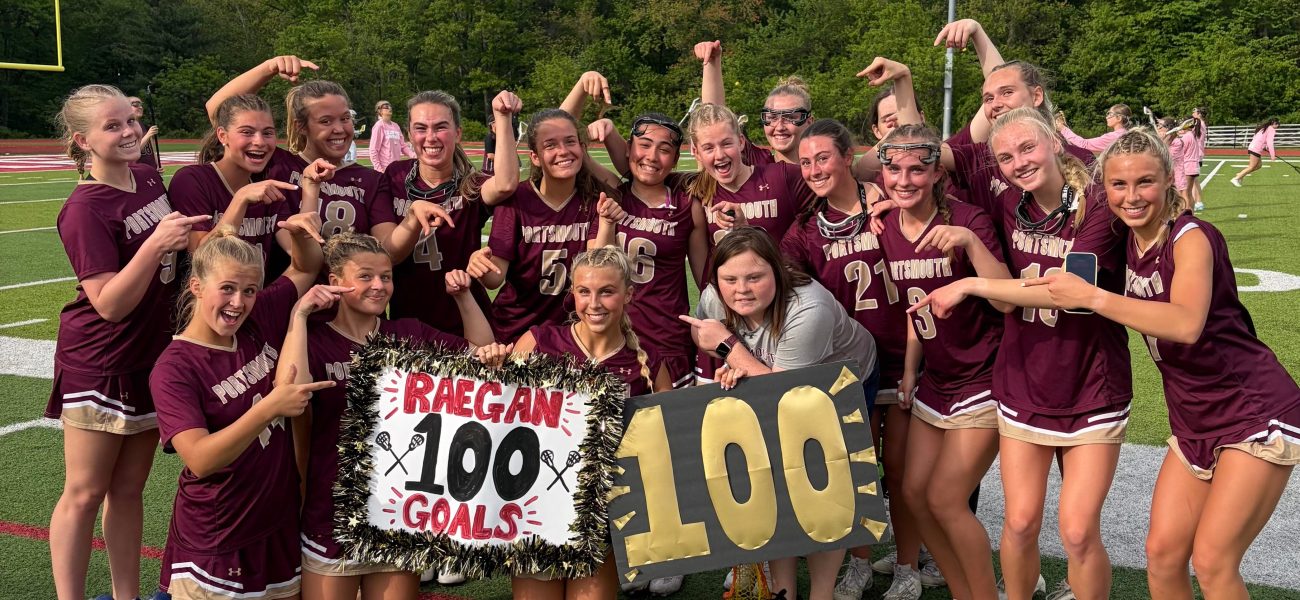
POLICY WIRE — Concord, New Hampshire — On the placid playing fields of New Hampshire’s Seacoast, young athletes are, quite literally, racking up wins. We’re talking lopsided victories here, the kind that suggest an almost embarrassing abundance of talent — and resources. Portsmouth High School’s girls’ lacrosse team, for instance, stomped Pinkerton 20-1. Their junior phenom, Raegan Lawton, casually notched her 100th career goal in that romp. Other teams, like Oyster River’s softball — and St. Thomas Aquinas’ baseball, seem equally unstoppable. But for those of us watching beyond the scoreboard, these local athletic triumphs – seemingly innocuous snippets from a Friday night lights reel – aren’t just about bragging rights; they’re telling us something unsettling about where we’re really winning, and where we’re just ignoring the losses.
It’s easy enough to cheer for the champions. But what do these consistent, crushing victories really signify? They hint at something more granular, more systemic: communities pouring resources into youth sports, cultivating talent from an early age, fostering an environment where achievement – even in obscure niches like girls’ lacrosse – is meticulously nurtured. But because this investment isn’t evenly distributed, what does it mean for places that can’t keep pace?
And it’s not just about winning; it’s about access. While Raegan Lawton nets her century, children in parts of the world, like rural Pakistan, are often denied even the simplest sporting opportunities—especially girls. Our national discourse often fixates on grand geopolitical struggles, you know? —the proxy wars, the global economic chess games. Yet, sometimes, the quietest indicators, like a girl’s lacrosse milestone, expose a stark disparity in what societies prioritize and who they empower. It’s a lens through which you can examine not just local policy, but global well-being. Think about it: a well-equipped lacrosse program versus, say, a dearth of clean drinking water, or basic education, elsewhere. Different worlds, same planet.
Because, as State Education Commissioner Eliza Vance once told me—during a frankly bewildering conversation about rural broadband initiatives that somehow veered into municipal athletic budgets—”You can tell a lot about a community’s priorities, and its future health, by looking at where its children spend their time outside of academics. These fields, these courts—they’re incubators, or they’re abandoned plots.” Her words ring true, especially when you consider the sheer financial commitment behind such sustained success. These aren’t shoestring operations. They’re well-oiled machines, benefiting from top-tier coaching, facilities, — and parental engagement.
A 2022 study by the Aspen Institute’s Project Play found that annual spending on youth sports in the U.S. now exceeds $19 billion. Think about that: $19 billion funnelled into private clubs, travel teams, — and equipment. That’s more than the entire GDP of some small nations. This isn’t just about kids having fun; it’s an economic force, shaping neighborhoods — and influencing property values. It speaks volumes about the American ethos of competition, even as we acknowledge the broader societal implications of such a stratified system. It doesn’t affect just those on the field, you know.
📄 POLICY WIRE WHITEPAPER PUBLISHED: PAKISTAN'S NATIONAL SECURITY POLICY PRIORITIES
👉 READ BY CLICKING HEREBut how do these local victories resonate in the wider world? You don’t see teams from Balochistan or Khyber Pakhtunkhwa dominating headlines for high school sports — certainly not with these kinds of resources backing them. And that’s a tragedy, because sports, as we all know, are more than just games. They instill discipline, foster leadership, — and for young women, provide a critical avenue for empowerment and agency. Pakistan, like many nations in South Asia, faces profound challenges in providing equitable opportunities, particularly for its burgeoning youth population. While some NGOs and private initiatives are making strides in sports development, especially for girls, they’re a drop in the ocean compared to the systemic investment seen in these affluent American enclaves. The gap isn’t merely about wins — and losses; it’s about futures forged or forgotten.
Regional sports organizer, Greg Halpern, a guy who’s spent decades navigating the tangled politics of New England scholastic athletics, didn’t pull any punches either. “Look, when we talk about success like this,” he stated, leaning forward with a conspiratorial air during a recent town hall on infrastructure funding, “we’re really talking about successful municipalities. Strong tax bases. Involved parents. A local culture that buys in. These aren’t just athletic achievements; they’re civic ones. But it also means other towns are getting left behind. And if they’re falling behind on the playing field, where else are they losing?” It’s an uncomfortable question, isn’t it?
What This Means
These glittering regional sports reports, rife with individual accolades and team dominance, are not merely feel-good filler. They serve as an unsettling barometer of underlying socioeconomic health — and educational investment. For communities like Portsmouth, Oyster River, — and St. Thomas, these victories reflect a robust infrastructure, high levels of civic engagement, and the financial wherewithal to nurture talent—qualities that attract and retain affluent families. The geopolitical context, too, can’t be ignored; the seemingly trivial difference in investment in youth development, whether in a New Hampshire town or a developing nation, sketches a broader picture of global inequity and varying national priorities.
Because the concentration of such athletic excellence, ironically, also points to widening disparities. The same advantages enabling one school to trounce its rival 20-1 might signal that surrounding areas struggle with everything from adequate sports funding to attracting quality teachers, even maintaining basic town services. But in an era where community identity often correlates directly with local high school prowess, ignoring this divide becomes politically risky. And these seemingly small details can have outsized ripple effects, shaping everything from mental health outcomes to future economic mobility for an entire generation.