


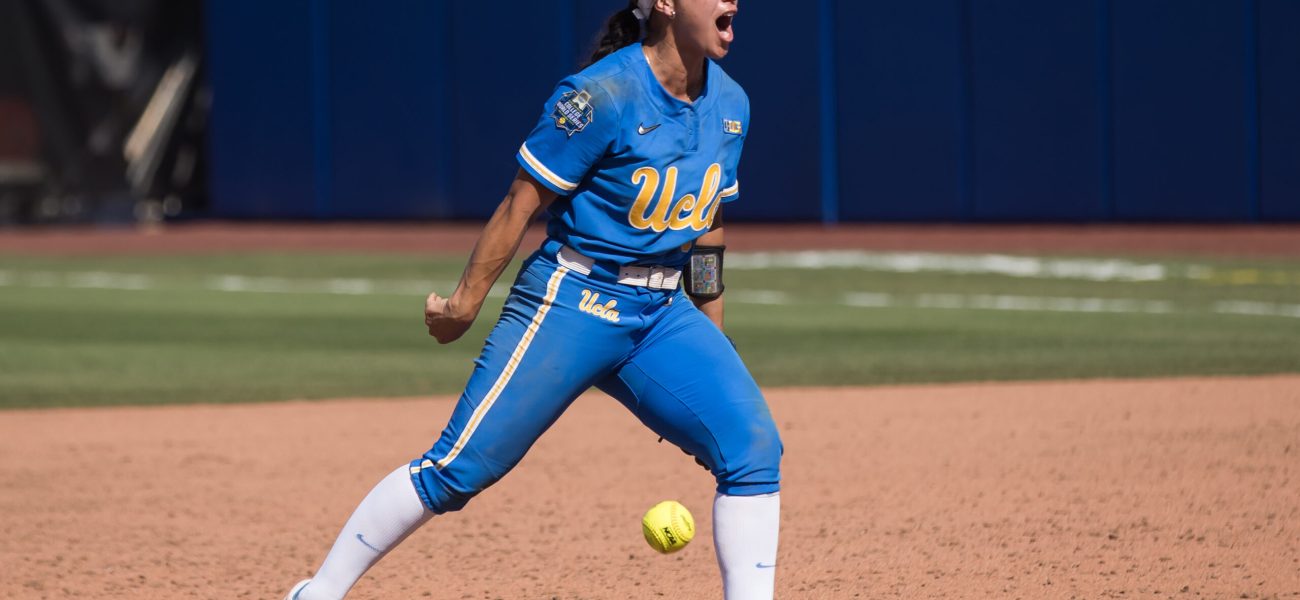
Softball’s Goliath vs. David: Unseeded UCF Confronts UCLA’s Dynastic Grip in Super Regional Showdown
POLICY WIRE — Los Angeles, USA — Call it a collision course of contrasts. Because while the glitzy NCAA postseason invariably spotlights storied institutions, sometimes a smaller, scrappier outfit...

POLICY WIRE — Los Angeles, USA — Call it a collision course of contrasts. Because while the glitzy NCAA postseason invariably spotlights storied institutions, sometimes a smaller, scrappier outfit busts through—kicking dirt, making noise, and reminding everyone that pedigrees aren’t quite everything. That’s the messy, captivating truth behind this week’s Super Regional showdown: unseeded UCF, having clawed its way out of the Florida heat, now stands toe-to-toe with the seemingly unshakeable juggernaut that’s eighth-seeded UCLA. You wouldn’t think softball, but trust me, the underlying tension here is as thick as L.A. smog.
It’s not just a game; it’s a testament to the stubborn, unpredictable pulse of athletic aspiration. And it’s a policy wire’s job to squint past the statistics and see the money, the institutional muscle, and the sheer audacity of an underdog.
The Bruins, naturally, carry the weight of expectations like an invisible cloak of invincibility. They’ve punched their ticket to 27 consecutive NCAA tournaments. They’ve got a dozen national titles to their name—thirteen, really, before the NCAA pulled one back from the archives, a polite reminder of how far their reach truly extends. But does legacy win ballgames? Maybe, when the other side bows down.
And bowing down isn’t in the Knights’ playbook, not after their dramatic escape from a tough regional where they unceremoniously ousted Florida State. They’re a team, let’s just say, with a flair for the dramatic. They won in extra innings against Jacksonville State, for Pete’s sake. And then they forced a winner-take-all against FSU, taking down the Seminoles with a gritty 4-2 victory.
UCLA Coach Kelly Inouye-Perez knows this terrain. She’s seen it all, done it all. She probably breathes national championships. “There’s a narrative out there that assumes victory,” Inouye-Perez was reported saying this week, a hint of weariness in her voice, but a steely edge too. “But my team knows better. Every game is earned, every out fought for. Complacency? That’s how legends lose their shine.” Her squad, you see, swept their regional, surviving a ‘scare’ from California Baptist, whatever that means for a team that runs roughshod over most opponents. They scored a run-rule win against South Carolina. This team’s got talent spilling over, with NCAA data showing Megan Grant setting a single-season record with 40 home runs.
📄 POLICY WIRE WHITEPAPER PUBLISHED: PAKISTAN'S NATIONAL SECURITY POLICY PRIORITIES
👉 READ BY CLICKING HEREThen there’s UCF’s coach, Cindy Ball-Malone, whose team isn’t just playing on borrowed time; they’re manufacturing it with grit and hustle. “Nobody expected us here, not really,” she quipped, a wry smile playing on her lips. “But you know what? That suits us just fine. We play with a chip on our shoulder, and sometimes, that chip turns into a wrecking ball.” That wrecking ball features Beth Damon, who’s hammered 16 homers, and Isabella Vega, boasting a 2.81 ERA. It’s not a stat sheet designed to intimidate UCLA, but it’s a lineup built for belief, and that’s a different kind of weapon altogether.
What This Means
This Super Regional is more than just a softball match-up; it’s a microcosm of American collegiate sports at large—a realm where massive budgets meet scrappy aspirations, and where the economic implications can dictate fortunes for entire athletic departments. The prestige associated with a perennial winner like UCLA attracts top talent, enormous sponsorship deals, and significant media coverage, all fueling a cycle of sustained excellence. But for programs like UCF, a deep tournament run can provide an unprecedented ascent, boosting recruiting, donor interest, and national recognition for years. The ripple effect of such success or failure goes well beyond the diamond. Think about it: a stronger profile means more eyeballs on a university, greater brand equity. It even echoes in unexpected places; a competitive US collegiate sports landscape can inspire similar development in emerging sports markets abroad, particularly in regions like South Asia, where female participation in competitive sports is steadily, if slowly, increasing. Nations like Pakistan, while not traditional softball hotbeds, often look to established sporting frameworks—like America’s NCAA system—as a kind of aspirational blueprint, especially as they consider investing more in women’s athletics and leveraging sports for cultural diplomacy. The commercial viability, the financing models of American collegiate sport – that’s the true prize.
Because ultimately, this isn’t just about two teams; it’s about what American athletics chooses to prioritize. Is it the gilded stability of established power, or the electric, unsettling thrill of an upstart’s improbable journey? For those of us watching, the drama unfolds, — and perhaps that’s all that really matters. It’s the diamond’s illusion, the quiet understanding that the stakes extend far beyond the foul lines. Get your popcorn ready.