
Morocco’s Tranquil Front: A Geopolitical Chessboard Hidden by Desert Lights
POLICY WIRE — Rabat, Morocco — You think of Morocco, don’t you, and what springs to mind is often the kaleidoscopic chaos of Marrakech’s Jemaa el-Fna, or perhaps the salty, serene blues...

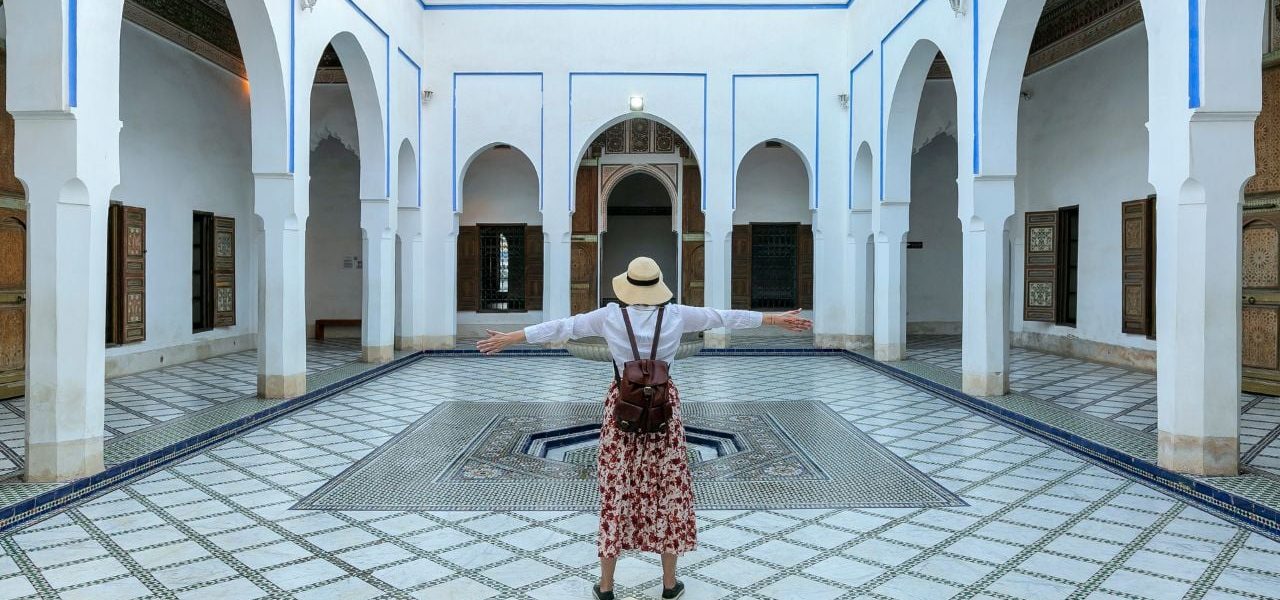
POLICY WIRE — Rabat, Morocco — You think of Morocco, don’t you, and what springs to mind is often the kaleidoscopic chaos of Marrakech’s Jemaa el-Fna, or perhaps the salty, serene blues of Essaouira, maybe even those impossibly orange desert sunsets. A gentle journey, indeed. But strip away the Instagram filters and the carefully curated tagines, and what you’re really seeing is the elegant facade of a nation—a kingdom, no less—that has perfected the art of strategic nonchalance. This isn’t just about good PR; it’s a masterclass in soft power and calculated economic diplomacy, meticulously constructed to ensure stability in a region frequently upended by seismic shifts. The gentle Moroccan trip isn’t just a holiday, it’s a living, breathing geopolitical asset.
It’s an image meticulously cultivated, frankly. While its neighbors wrestle with insurgency, economic collapse, or the unpredictable whims of authoritarian regimes, Morocco has managed a precarious balance, presenting itself as a reliable anchor. Tourists, and with them their much-needed euros and dollars, flock here precisely because it *feels* safe, a respite from global anxieties. And that feeling? It’s gold. It underpins an entire national strategy, from infrastructure investment—those new high-speed rail lines and gleaming airports aren’t just for locals, after all—to its intricate web of foreign relations. They’re not just selling camel treks; they’re selling stability, a commodity more precious than any spice.
“Our doors are always open, welcoming friends from all corners,” declared Morocco’s Minister of Tourism, Fatima Zahra Ammor, at a recent trade conference, her words as polished as the mosaics adorning Moroccan palaces. “Hospitality isn’t just a tradition here; it’s an economic engine. But more than that, it’s a testament to our steadfast commitment to peace and understanding in a complicated world.” She wasn’t just talking about room nights; she was speaking to statecraft, to the Kingdom’s quiet assertion of influence, particularly among emerging markets and, importantly, its Muslim brethren.
But building such a resilient brand in an otherwise volatile neighborhood—one stretching from the Sahel to the fringes of the Levant—isn’t an accident. It’s an intentional, multi-decade project, blending deep-rooted religious legitimacy with pragmatic alliances. That’s why you don’t hear much about internal dissent or thorny Western Sahara questions while you’re sipping mint tea in the Atlas Mountains, do you? Because they’ve engineered it that way, for better or worse, to present a unified, tranquil front. And it’s working. Tourism accounts for well over 7% of Morocco’s GDP, according to the Ministry of Tourism data from 2022, a figure that continues to climb post-pandemic, making it an irreplaceable fiscal pillar.
Compare this disciplined approach to some other Muslim-majority nations—take Pakistan, for instance—which despite their own rich cultural heritage and natural wonders, struggle to convert potential tourism into consistent, high-yield revenue streams. The reasons are, of course, complex, often steeped in security concerns, political instability, and infrastructure deficits. Morocco’s stability, however carefully maintained, serves as a sharp contrast, a potential model for some, perhaps an unattainable dream for others. Because for all the talk of cultural exchange, the numbers are what really sing on the balance sheets, especially when sovereign debt looms large.
“Morocco’s strategy isn’t solely about tourist dollars; it’s about establishing diplomatic leverage, cementing regional alliances, and managing domestic expectations,” observes Dr. Hassan Jafri, a visiting scholar on Islamic finance at London’s Chatham House, with a wry smile. “They’re demonstrating that you can modernize, attract global capital, and remain culturally anchored without succumbing to the ideological storms that buffet others in the region. It’s a very different blueprint than we’ve seen in, say, parts of Southeast Asia or even the Middle East, a more understated, long-game approach.”
📄 POLICY WIRE WHITEPAPER PUBLISHED: PAKISTAN'S NATIONAL SECURITY POLICY PRIORITIES
👉 READ BY CLICKING HEREIt’s this measured, almost quiet confidence that defines Morocco’s role in the wider Muslim world, — and beyond. They’ve successfully carved out a unique space, avoiding the geopolitical traps that ensnare many developing nations. But navigating these waters demands constant vigilance. That gentle desert light might be beautiful, but it often illuminates sharp shadows only visible to the astute observer. The casual visitor sees the serene beaches; policy makers see a deeply strategic economic play.
And for every postcard-perfect photo, there’s a quiet discussion about regional power dynamics, about trade agreements with Europe, about securing phosphate mining interests, or about countering extremism—concerns that wouldn’t necessarily figure into your vacation planning. But they’re what keep the gentle trip possible. This delicate balance, it isn’t accidental; it’s the result of hard, deliberate work by a monarchy that understands that its survival—and its prosperity—hinges on projecting an image of calm efficiency in a world desperately short on both.
What This Means
Morocco’s thriving tourism sector is far more than just a boon for local hoteliers and artisans; it’s a foundational pillar of its foreign policy and domestic stability. The success of its tourism industry allows the Kingdom significant diplomatic leeway, enabling it to cultivate diverse relationships with European powers, Gulf states, and African nations, often acting as a bridge in multilateral forums. This economic buffer grants it greater autonomy and less reliance on single partners, bolstering its capacity to manage internal social and economic pressures, a luxury not afforded to many of its peers.
However, this strategy also presents inherent vulnerabilities. Over-reliance on any single sector—even one as robust as tourism—leaves Morocco susceptible to external shocks, be they global recessions, health crises (like the pandemic’s brutal impact), or shifts in geopolitical sentiment. The curated image of stability requires ongoing investment in security apparatuses and proactive diplomacy, costs that constantly test the state’s resources. Maintaining this delicate balance demands shrewd political maneuvering, and as global economic pressures intensify, Rabat will find its gentle facade increasingly scrutinized by domestic constituents and international observers alike. There’s a quiet reckoning approaching for nations built on similar, fragile premises, reminding us that sometimes, debt dilemmas can haunt even the most serene of landscapes, or that even seemingly local events can have far-reaching political implications, reverberating through the global echo chamber. Policy Wire will be watching.