Daytona’s Enigma: Kyle Busch’s Phantom Win Echoes a Grand Sports Economy
POLICY WIRE — Daytona Beach, USA — So, imagine you’re the king. The absolute, undisputed monarch of your domain. You’ve won just about everything there’s to win, multiple times...

POLICY WIRE — Daytona Beach, USA — So, imagine you’re the king. The absolute, undisputed monarch of your domain. You’ve won just about everything there’s to win, multiple times over, making folks scratch their heads wondering if you’ve got some kind of magic touch. But there’s this one particular crown, this singular jewel, sitting right there in your very own kingdom, and it just… eludes you. Forever.
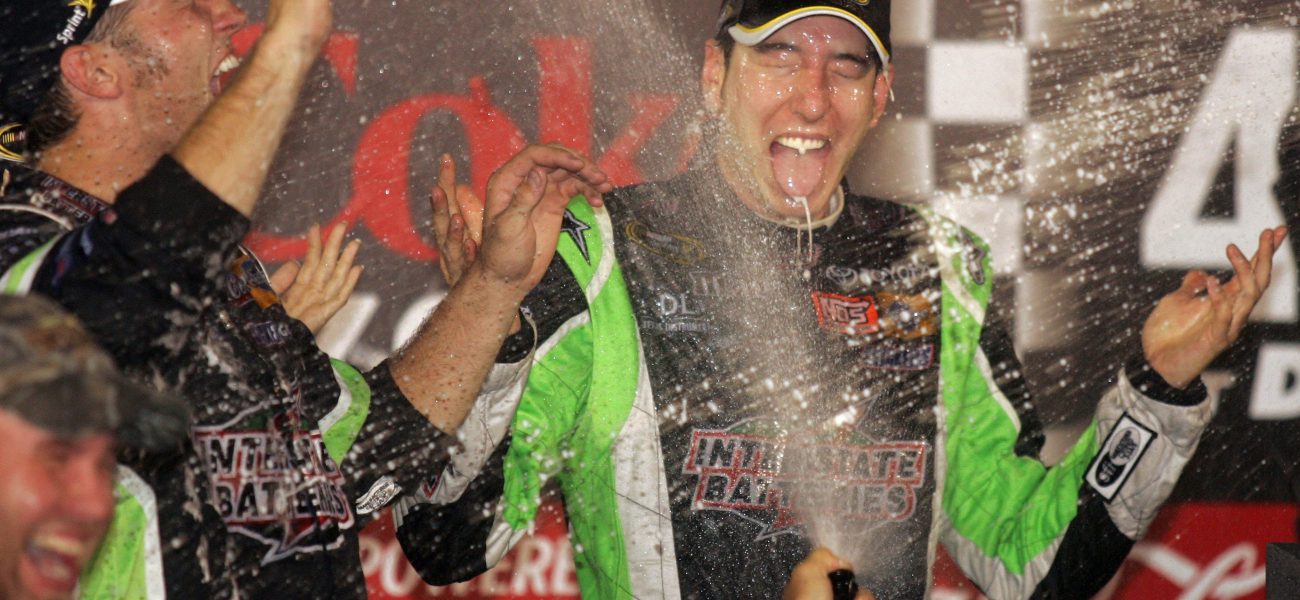
That’s Kyle Busch for you, — and Daytona International Speedway’s crown jewel, the 500. He’s NASCAR’s all-time winningest driver across its three top circuits, a stat that truly speaks volumes. Busch holds a staggering 102 Xfinity Series victories and 63 Cup Series wins—official NASCAR records confirm it—putting him ninth on that Cup list. The man’s practically allergic to losing, right? Not at Daytona. Not with the big one, anyway.
For all his undeniable dominance at the storied Florida track—and trust me, he dominated there, clinching victories in the summer Coke Zero 400, Xfinity and Truck Series races, even two pre-season clashes—the Daytona 500 remained his personal white whale. He’d come agonizingly close. Second place, third, fourth. Just never first. It’s a cruel twist, a cosmic joke perhaps, that the man who owned the speedway in almost every other permutation couldn’t quite seal that most coveted win. But doesn’t that just make the legend? The near miss, the unfinished chapter, it’s what sticks with people.
“Look, Kyle’s record at Daytona—and across the sport—is simply phenomenal,” states Steve Phelps, President of NASCAR. “The 500, yes, it’s special, it’s iconic. But the full scope of his achievements there, and the fan engagement these multiple events generate, that’s where you see the real, sustained economic and cultural impact of motorsports. It’s not just one race, it’s the whole season, the whole enterprise, you know?” His tone was a blend of admiration and pragmatism, reflecting the broader business interests at play. And he’s got a point. Daytona isn’t just for one race. It’s a year-round economic engine.
Consider the broader scope, too. While Daytona may be distinctly American, its appeal, the sheer spectacle of it all, doesn’t stop at the water’s edge. Think about the global viewership numbers for major sporting events. You’ve got enthusiasts tracking results in Karachi, families gathering around screens in Dubai—places where folks might never have seen a NASCAR race car in person. The adrenaline, the strategy, the high-stakes drama? That translates. The sponsorship dollars flowing into these events, whether from domestic brands or potential overseas partners looking to tap into a massive, dedicated fanbase, are astronomical. This sport isn’t just about the good ol’ boys anymore; it’s a global commodity, traded in passion and pixelated horsepower.
📄 POLICY WIRE WHITEPAPER PUBLISHED: PAKISTAN'S NATIONAL SECURITY POLICY PRIORITIES
👉 READ BY CLICKING HERE“The economic ripple effect of events at a place like Daytona is impossible to overstate,” explains Florida’s Commerce Secretary, Sarah Jennings, her voice clear and precise during a recent press briefing on tourism data. “Tens of thousands of jobs, billions in revenue for our state, it’s not just a race day. It’s a full calendar of tourism, hospitality, — and specialized services. You wouldn’t believe the supply chain intricacies, the small businesses that thrive on this—it’s like a finely tuned engine itself, pulling together from countless sources.” Her assessment cuts to the chase: this isn’t just sport; it’s big business, with very real numbers attached.
Busch, bless his fast heart, has had plenty of other Daytona moments to cherish. He famously led 65 laps in the 2007 Busch Series summer race, driving what he described as the “dominant car.” He sealed a nail-biting 2014 Truck Series win by a mere 0.017 seconds. Talk about keeping the folks on the edge of their seats, right? And his very first Daytona triumph, an ARCA race way back in 2004? That felt, he said, like a dream come true, even after battling back from a penalty that sent him a lap down. It’s those kind of scrappy wins, those gritty comebacks, that forge a legend, not just the glossy, headline-grabbing, ‘once-a-year’ type triumphs. It’s often the cumulative grind that truly tells the story.
What This Means
The saga of Kyle Busch at Daytona, marked by pervasive success shadowed by the absence of the 500 trophy, offers more than just sporting drama; it’s a telling commentary on how we value accomplishment—and, crucially, how we market it. The Daytona 500, a one-off spectacle, draws unparalleled attention and sponsor dollars, becoming a commercial Everest in a season filled with peaks. But the steady drumbeat of other races, though perhaps less glamorous individually, are what sustain the enormous industry: the team infrastructure, the legions of employees, the track operations. That’s the unsung rhythm, the economic heartbeat.
From a political economy standpoint, these multi-day racing festivals are critical anchors for regional economies. Local governments often provide tax incentives or infrastructural support because the inflow of tourists, media, and ancillary businesses generates significant sales taxes and employment. So, even as the narrative fixates on one missing trophy, the reality is a much larger, incredibly complex commercial engine roaring on, day in and day out, largely powered by the consistent, if sometimes unglamorous, victories of workhorses like Kyle Busch.