


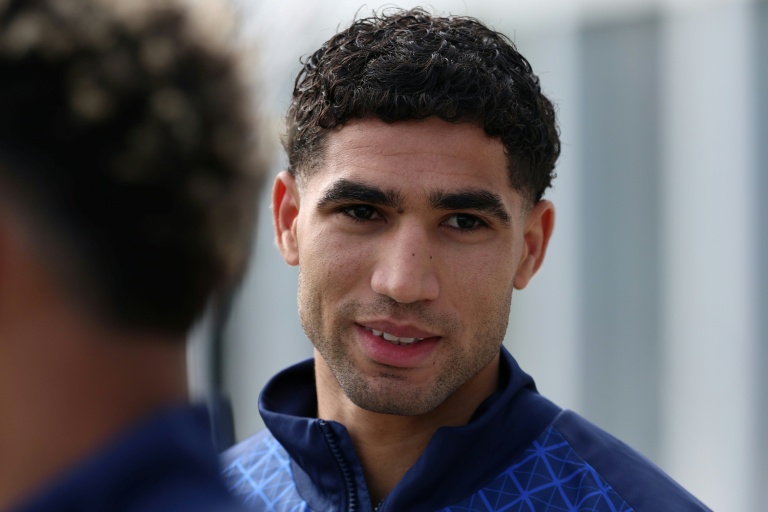
Golden Boy, Legal Mire: Hakimi’s Reputation Fights for Air
POLICY WIRE — Versailles, France — The glare isn’t always from stadium floodlights. Sometimes, it’s the cold, unforgiving light of a courtroom that finds the world’s most celebrated...

POLICY WIRE — Versailles, France — The glare isn’t always from stadium floodlights. Sometimes, it’s the cold, unforgiving light of a courtroom that finds the world’s most celebrated athletes. And that’s exactly where Paris Saint-Germain’s dazzling Moroccan defender, Achraf Hakimi, finds himself, entangled in a legal battle that threatens to unravel more than just his season. Friday, at the Versailles appeals court, isn’t about scoring goals, it’s about trying to dismiss an alleged rape charge—a grim departure from the Champions League final he’s expected to play later this month.
It’s a curious juxtaposition, really. One moment, Hakimi is gracing magazine covers, a national hero who helped take Morocco to an improbable World Cup semi-final run, their first ever; the next, his lawyers are dissecting evidence, arguing that a woman’s accusation, made back in February 2023, shouldn’t even go to trial. What a messy business—this blend of athletic stardom, personal liberty, and the fierce gravity of alleged criminal acts. Because when fame collides with the justice system, everyone gets to watch, whether they like it or not.
His lawyer, Fanny Colin, isn’t shy about her position. She’s maintained, quite publicly, that the accusations against Hakimi are, well, flimsy. She points to the plaintiff’s alleged refusal of medical examinations, DNA tests, — and even to name key witnesses. It’s a classic defense strategy, isn’t it? Attack the credibility of the accuser, sow seeds of doubt. But will it stick? A judge decided in February that the case should indeed proceed to trial, suggesting there’s enough smoke there for the legal system to at least look for a fire. This week’s bid to dismiss, therefore, marks a pretty critical juncture.
The woman, then 24, met Hakimi on Instagram, according to police sources. She claims she went to his home via a taxi he ordered, and there, the story takes a dark turn: unwanted touching, kissing, and eventually, rape. She says she managed to push him away — and text a friend for a ride. But Hakimi, through his legal team, denies any wrongdoing, absolutely. And in cases like these, especially with a lack of independent verification, it often boils down to one person’s word against another’s, leaving the judiciary to wade through conflicting narratives.
For players like Hakimi, who are not just athletes but also global brands, such allegations are devastating—financially, professionally, and personally. According to data compiled by Sportico in 2022, endorsement deals for top-tier footballers can shrink by as much as 60% within 12 months following serious public allegations, regardless of legal outcome. That’s a lot of zeros for a man who signed with PSG in 2021 from Inter Milan, after stints at Real Madrid and Borussia Dortmund, effectively becoming one of the most recognizable full-backs in world football. The stakes, then, aren’t just about guilt or innocence, they’re about the bottom line, too. But the ripple effects extend far beyond his personal bank account. This isn’t just about Hakimi; it’s about what such sagas mean for the sport — and its image, particularly among fans.
“The public square often tries these cases long before a judge’s gavel falls,” muses Dr. Amira Khan, a legal ethics lecturer at the University of London. “And for high-profile figures, reputation itself is the first casualty, often before the facts have even had a fair airing. It’s a very harsh reality of modern celebrity.”
And what of Morocco, the nation that embraced him as a sporting legend? For Muslim communities globally, football stars often carry a heavier weight—they’re not just athletes, they’re symbols of success, morality, and identity. Hakimi, a practicing Muslim, embodies much of this. When one of their own faces such a serious accusation, it doesn’t just cause concern; it can spark intense debate and a sense of collective hurt, even shame, regardless of culpability. “Achraf is a son of Morocco, a hero for our nation,” said H.E. Karim Belhaji, Cultural Attaché at the Moroccan Embassy in Paris, in a carefully worded statement. “We trust the French justice system, but also stand by our athletes who carry our flag. This entire situation, it’s just very difficult for everyone involved.” That kind of sentiment shows just how much more these cases become than simple legal matters.
This entire ordeal offers a harsh look at the fragile line between public adulation and personal accountability in an age of instantaneous information. One day you’re lauded; the next, your entire life is under scrutiny, each past step dissected for clues or inconsistencies. It’s a full-back’s gamble, indeed, and not on the pitch (Madrid’s Full-Back Gambit: High Stakes, High Salaries, and the Shifting Sands of Global Football), but in the court of law, with his career and legacy hanging in the balance. But then again, this is modern football, isn’t it? Glamour and grime, all in one package.
What This Means
A rejection of Hakimi’s dismissal plea means a looming trial, which presents immense logistical and reputational challenges for both the player and his club, PSG. For the club, having a star player embroiled in a serious criminal trial would be a public relations nightmare, potentially distracting from their Champions League ambitions and impacting sponsorship deals. It might also influence transfer market dynamics, affecting his future value — and PSG’s ability to sell or retain him.
Politically — and culturally, especially for Morocco and the broader Muslim world, a conviction could be deeply damaging. Hakimi is more than a footballer; he’s an icon for many young Moroccans, a symbol of upward mobility and national pride. Any legal verdict will resonate beyond sports pages, impacting perceptions of high-profile Muslim athletes and, in some corners, feeding into pre-existing biases or discussions around celebrity entitlement. Conversely, an acquittal or dismissal, while clearing his name legally, might not fully erase the stain of public perception, especially given how rapidly accusations spread. The incident reminds everyone that the business of football, especially at the highest echelons, isn’t just about athleticism; it’s a tightrope walk over public opinion and moral judgment.