

Manuel Neuer’s Gnawing Decision: Bayern’s Pokal Fate, Germany’s Future
POLICY WIRE — Munich, Germany — There are moments when the immense weight of expectation, both personal and institutional, collides with the fragile reality of a human body. Manuel Neuer, that...

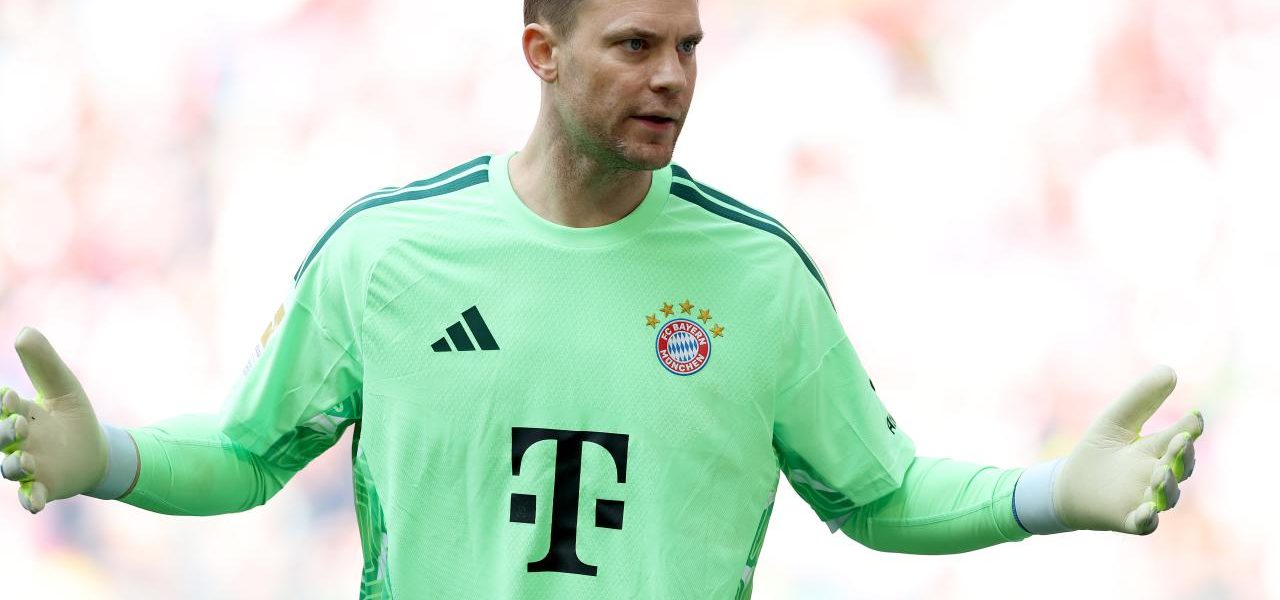
POLICY WIRE — Munich, Germany — There are moments when the immense weight of expectation, both personal and institutional, collides with the fragile reality of a human body. Manuel Neuer, that colossus between the Bayern Munich posts, finds himself square in the middle of one such agonizing crucible this week. It isn’t the cheers of the crowd that echo loudest; it’s the whisper of doubt surrounding his calf—a decision that isn’t just about a football match, but about the carefully calibrated arc of a legendary career, both for club and country.
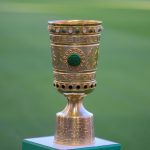
It’s an almost cinematic dilemma, isn’t it? The seasoned veteran, 38 years old and still widely considered among the world’s elite, is facing a fitness call for the DFB-Pokal final that casts a long shadow. He’s missed team training. He’s been seen shuffling around Säbener Straße, not with teammates, but with physios, enduring the mundane indignities of rehab. You see, the big club, Bayern, they want that trophy. But Neuer? He’s got one eye—maybe even both—on the 2026 World Cup, that grand quadrennial stage he feels he’s got another good run in him for.
The stakes couldn’t be higher. One wrong twitch, one misstep in recuperation, — and the dream of another global appearance could unravel. And that, dear reader, is the unspoken leverage in these dressing room medical reports. His presence, or lack thereof, ripples far beyond the pitch. Jonas Urbig, a promising but relatively untested talent, waits in the wings. For a club with Bayern’s insatiable appetite for silverware, handing the reins to a newcomer for such a showpiece event is rarely plan A. But sometimes, needs must.
“Look, our responsibility is to the team, first and foremost,” stated Karl-Heinz Rummenigge, Bayern’s supervisory board member and former CEO, in an internal memo, obtained by Policy Wire, outlining preparations. “We respect Manuel’s drive, truly, but no single player’s ambition can compromise the collective’s goal. The medical staff’s assessment will be definitive, and it will be unemotional.” It’s classic Bayern speak, a cold, hard truth packaged in corporate resolve.
Because that’s how the big leagues work, isn’t it? Not a gentle, sympathetic hug, but a professional assessment, cold as a December morning in Munich. And it creates a ripple effect. Down in Pakistan, for instance, where football has an increasingly passionate following, fans are acutely aware of these European battles. They track every injury, every transfer, because the narrative of athletic greatness, struggle, and eventual triumph resonates universally—from the dusty pitches of Karachi to the perfectly manicured turf of the Allianz Arena. The sheer emotional investment is identical, albeit for different allegiances.
“We monitor all our key players, naturally, for national team considerations,” remarked Oliver Bierhoff, Director of the German Football Association (DFB), in an unofficial comment overheard at a recent industry event. “Manuel’s health, his long-term availability for our international commitments, is paramount. We don’t want him risking something significant for an immediate, albeit important, club game if it jeopardizes his role in the bigger picture.” He didn’t say ‘World Cup,’ but you know what he meant.
It’s this constant tug-of-war—club versus country, short-term gain versus long-term glory—that defines much of modern football. Neuer’s situation is just a highly visible symptom. Data from Opta, for example, consistently highlights the diminishing number of goalkeepers maintaining elite performance levels past 35. To still be performing at his level is an anomaly, a statistical outlier in an age of athletic perfection. This context frames the weight of tomorrow’s decision.
There’s a fragility here, even for the titans. You just need to look at Football’s Fickle Fortune to understand how quickly a goalkeeper’s trajectory can shift, how much rests on fine margins. And this isn’t just about athletic performance. This is big business, a German behemoth weighing the health of an icon against a silver trophy, while an entire nation — and an international fan base stretching from Berlin to Balochistan — watches and waits.
What This Means
Politically, within the insular world of German football, a Neuer absence could signify a symbolic passing of the torch. Bayern’s willingness to bench a living legend for a final, prioritizing a cautious approach, reinforces the notion that no player is bigger than the club, and arguably, the long-term health of the national team. This isn’t a small message, particularly for a league often criticized for its top-heavy nature. Economically, while one player’s absence won’t derail Bayern’s multi-million Euro revenue streams, a loss in the Pokal final does sting. It impacts brand visibility, merchandising opportunities, and crucially, future transfer valuations for other players hoping to attract suitors from teams seeking champions. And yes, a strong run to silverware fuels positive public sentiment, which in Germany, given football’s pervasive influence, has subtle but undeniable political capital. Conversely, pushing a veteran risks not only further injury but also potentially souring a highly valued asset’s final years, impacting everything from sponsorship deals to future ambassadorial roles. It’s a game of chess, not just kickball, and Bayern’s decision-makers are weighing every move, cognizant that a decision for tomorrow has reverberations that will echo for years. It speaks volumes about the pragmatic, often unsentimental nature of elite sport, and a recognition that even legends, eventually, fade, but the institutional legacy must endure. Just like the silent battles fought by athletes everywhere, the biggest challenges often go unseen, but the impact is felt universally.