

Desert Dreams and IBF Nightmares: Agyarko’s Crooked Path to the Title Shot
POLICY WIRE — Las Vegas, Nevada — Sometimes, the path to boxing glory isn’t a straight line. It’s a switchback trail, fraught with medical mishaps, promoter politics, — and a governing...

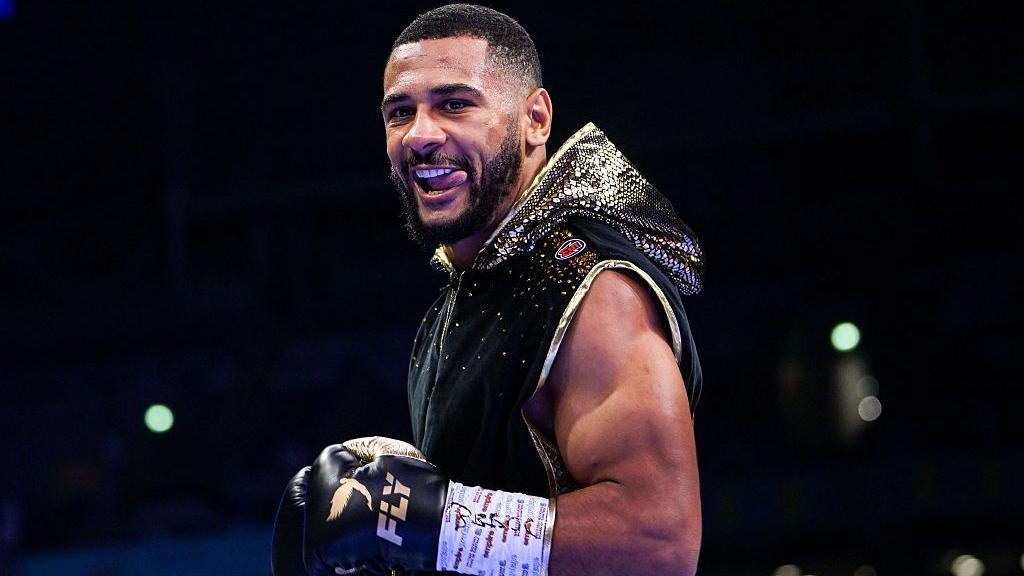
POLICY WIRE — Las Vegas, Nevada — Sometimes, the path to boxing glory isn’t a straight line. It’s a switchback trail, fraught with medical mishaps, promoter politics, — and a governing body’s peculiar directives. For Belfast’s undefeated Caoimhin Agyarko, the road to an IBF light-middleweight title shot has been less about knocking opponents out cold and more about navigating a bureaucratic labyrinth worthy of a Kafka novel. He’s punched his ticket, certainly, but only after watching a mandatory challenger fall ill, an alternative fight get dodged, and then, finally, an invite from the reigning champ himself. It’s hardly the storybook ascent. More like a chess match played with clenched fists.
His opponent, the Englishman Josh Kelly, known as ‘Pretty Boy’ despite a fighting style that’s anything but dainty, has opted for Agyarko as a voluntary defence. That’s an interesting twist, given the International Boxing Federation’s penchant for rigid rules. But don’t let the polite nomenclature fool you; voluntary defense or not, Agyarko’s eighteen fights, eighteen wins record — following a tight points decision over Ishmael Davis last September—is no picnic. You just don’t get that many zeroes on your slate by accident. He’s a fighter who’s seen it all, or at least enough of it to not flinch at the circus.
It started with the planned mandatory eliminator against American Brandon Adams. A big moment, set for The Cosmopolitan, Las Vegas. Then, Adams collapses pre-weigh-in. Doctors rule him out. Chaos. But Agyarko didn’t throw his gloves down. He waited, held his breath, while the IBF — an organization with a reputation for both meticulousness and moments of utter caprice — deliberated. Many thought they’d just crown him mandatory. They didn’t.
Instead, they ordered him to scrap with Bakhram Murtazaliev, the man Kelly had only just snatched the title from in a majority points decision in January. But Agyarko’s team, pragmatic bunch that they’re, passed on that particular do-over. And, really, who can blame them? Adams, now medically cleared, took Murtazaliev’s place, freeing Agyarko for this more direct route. It speaks volumes, doesn’t it, about the maneuvering happening behind closed doors? This sport, it’s not just about what happens in the ring. It’s the entire ecosystem around it.
The fight itself, an IBF light-middleweight championship bout, is penciled in for this summer. The chatter places it potentially on the undercard of a massive heavyweight clash between Anthony Joshua and Kristian Prenga in Riyadh, Saudi Arabia, around July 25. Another option, more sedate but no less significant for UK boxing, is the Utility Arena in Newcastle in August. The official announcement, naturally, is just around the corner.
“It’s never about the easy road, is it? Every punch, every setback, just makes the win sweeter,” Agyarko told Policy Wire, his voice a low growl of conviction. “We’re here because we earned it, not because it was handed over. And that makes all the difference when you’re staring across the ring at a champion.” Kelly, for his part, appears unconcerned about his opponent’s unusual route to the challenge. “Some blokes want the cherry-picked opponent. I’m not that guy,” Kelly stated with characteristic swagger. “Caoimhin’s a challenge, sure, but that’s what makes the victory count. You want the best on your record, plain — and simple. And I’m ready for it.”
What This Means
This showdown isn’t just about two men in a ring; it’s a window into the evolving landscape of global sport, where money often dictates matchups and venues. Consider this: global boxing revenue hovered around $650 million in 2023, according to Deloitte’s sports business group, much of it now fueled by investment from sovereign wealth funds looking for new arenas of influence. Saudi Arabia, particularly, has made no secret of its ambition to become a major player in hosting elite sporting events, pouring billions into initiatives aligned with its Vision 2030 blueprint for economic diversification. That a boxing title fight might ride on the coattails of a major heavyweight show in Riyadh isn’t accidental. It’s a calculated projection of soft power, attracting international eyeballs and shaping perceptions within the broader Muslim world and beyond. It positions Saudi Arabia not just as a host, but as a kingmaker in athletic narratives, a move that parallels other nations seeking to leverage sports for geopolitical sway, much like Tokyo’s subtle power play through curated comfort. For Agyarko and Kelly, this is more than just a fight; it’s a high-stakes performance on a potentially new, globally significant stage. Their international gambit could redefine their legacies, but also underscores how deeply entangled sports have become with statecraft and grander economic visions. It also, however subtly, highlights the enduring allure of grit and determination in a sport increasingly influenced by massive capital flows. The fighter’s journey remains personal, even on a multi-million dollar stage.