

Diamond Dust and Dollar Dreams: PIAA Playoff Battles Expose Raw Ambition
POLICY WIRE — Doylestown, PA — Forget your pristine narratives of athletic purity. Out here, amidst the churned dirt of local high school baseball diamonds, where spring weather — a character in...

POLICY WIRE — Doylestown, PA — Forget your pristine narratives of athletic purity. Out here, amidst the churned dirt of local high school baseball diamonds, where spring weather — a character in itself, really — often calls the shots, the PIAA District One playoffs aren’t just games; they’re brutal, beautiful lessons in high-stakes competition and, for a select few, a first real taste of public triumph. You’re watching raw ambition, a flickering window into the cutthroat realities that will, for many, soon supersede innocent athletic aspirations. Last year’s basement dwellers are this season’s dark horses. Dreams die hard. But oh, how some refuse to flatline.
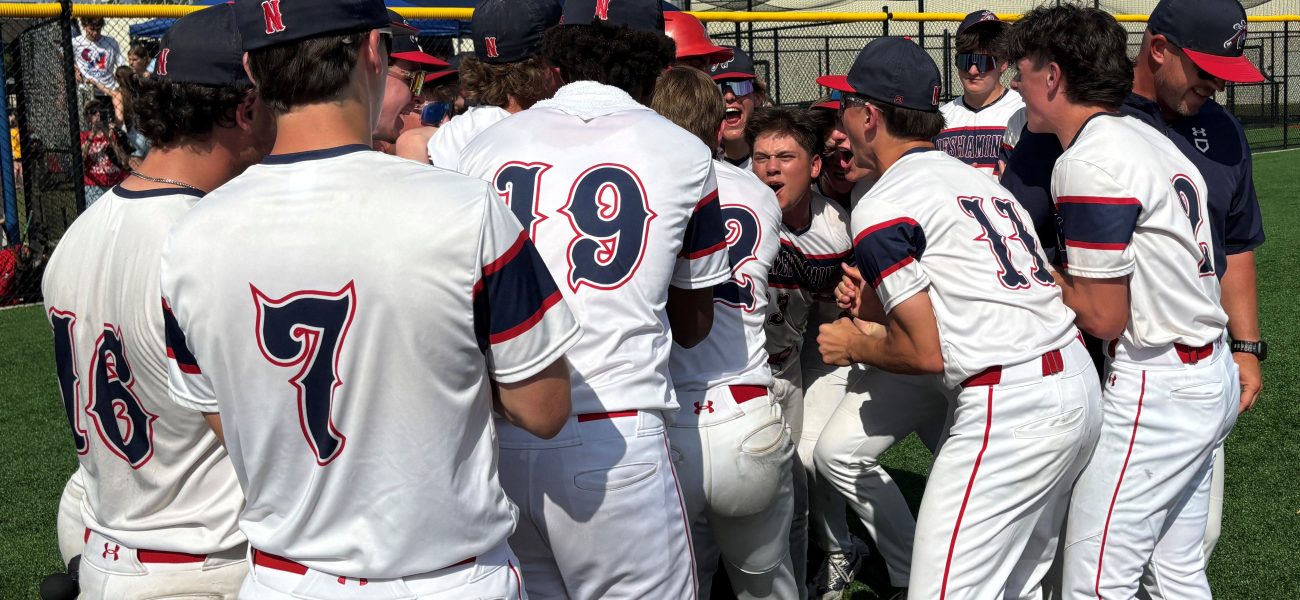
Take Neshaminy, for example. Just when Souderton thought they’d found their footing, Neshaminy senior Chase Bonner, with a swagger you could feel across three counties, didn’t just win a game — he delivered a cold, hard dose of reality, slamming a solo home run in the fifth inning to seal an 11-1 mercy-rule victory. Bonner was everywhere that day, pitching, hitting, a one-man wrecking crew. “That kid, he eats and sleeps baseball,” commented Neshaminy coach Mark Jennings, his voice hoarse, clearly still buzzing from the sudden end. “We tell ’em all season, you grind through the rough patches, you never quit, — and sometimes? Sometimes it just clicks. That’s what you saw there: pure grit paying off.”
And Pennridge? What a difference a calendar makes. After a dismal 6-9 run just last season, they tore through their divisional play this year, logging a dominant 13-2 record. You don’t just ‘turn around’ a program like that. That’s strategic realignment, player development, and likely more than a few honest, uncomfortable conversations in a coach’s office. When senior Brayden Robinson’s two-run single punched their ticket further, it wasn’t just a hit; it was a loud declaration. It’s not always the glitzy private academies, with their expansive budgets and year-round training facilities, that capture these narratives of upward mobility.
Because often, these public school battles, particularly in districts like Pennsylvania’s, are proxies for community pride, offering a very accessible spectacle for folks who might not be jet-setting to national sporting events. It’s a local economy of spirit, if you will, fueled by concession stands — and packed bleachers. In a world increasingly fragmented, these games serve as critical connective tissue. Much like the unifying power of cricket across various communities in Pakistan—where the national team’s success can practically halt national discourse—local high school sports, on a smaller, intensely personal scale, knit together neighborhoods. It’s where legends are born — and small towns find common ground. A recent study by the National Council of Youth Sports estimated the entire U.S. youth sports market at a staggering $19.2 billion annually. These small playoff games? They’re the capillaries feeding that beast, proving local fervor still has considerable economic gravity.
But the road’s always paved with both glory — and heartbreak. Plymouth Whitemarsh, powered by a 7-0 no-hitter from senior Reed Curtier against Methacton — 14 strikeouts, mind you — stormed through their first round. Then there’s Souderton again, clawing back from a three-run deficit in the *12th inning* to clinch a walk-off win against Avon Grove. You just couldn’t write that kind of drama; well, actually, you can, and it happens, on the fields in Bucks County every single season.
And let’s not forget Faith Christian, the two-time defending state champions. They absolutely bulldozed Calvary Christian, 11-1. Their senior Noah Wilson, pulling double duty with a complete game and a two-run homer, is playing at a level that turns heads—and makes college recruiters pick up the phone. It’s easy to see how this grind prepares them for the bigger stage. As one District One official, who asked to remain unnamed given the PIAA’s strict rules about speaking on specific player prospects, quipped, “We see the full spectrum here. From the kid just playing for fun, to the ones who’ve got their eyes fixed on a scholarship. The stakes? They’re always real for someone, even if it’s just bragging rights at the local diner.” This isn’t just about a ball game, after all; it’s about the first dominoes in a life’s trajectory, the kind of personal narrative that unfolds over years, not just innings.
What This Means
The PIAA playoffs, ostensibly about high school baseball, are in fact a microcosm of ambition, local economics, and social cohesion. For these young athletes, a well-played game isn’t just a win; it’s a résumé line, a chance at college, a stepping stone out of their hometown, or even just validation for countless hours poured into practice. The upsets, like Garnet Valley over higher-seeded Spring-Ford (even if cut short by weather, a constant presence), underscore the essential unpredictability that keeps sports — and life — interesting. Financially, these tournaments pump subtle but consistent revenue into local communities through attendance, concessions, and even peripheral business for local sports stores or eateries. Politically, while overt campaigns aren’t on the ballot, school boards, booster clubs, and community leaders often find their mandates subtly affirmed or challenged by the fortunes of their local teams. Success galvanizes. Failure can foster difficult questions about resource allocation, talent development, — and community engagement. It’s never just about who wins the game. It’s about what that win (or loss) says about the broader ecosystem these young men are growing up in.