


Jaipur Prodigy’s Blitz Reshapes IPL Narratives as Owners Vie for Future Talent
POLICY WIRE — New Delhi, India — The stadium lights still hummed with a recent defeat, yet an owner, usually a figure of calculated stoicism, abandoned the customary post-match scowl. Sanjiv Goenka,...

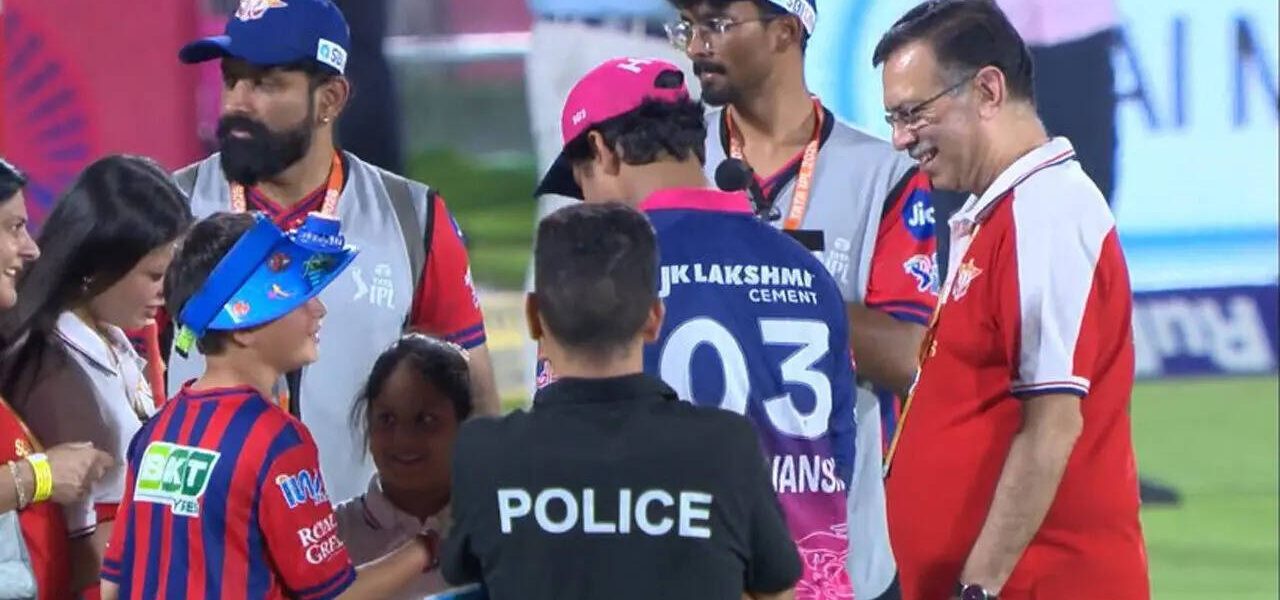
POLICY WIRE — New Delhi, India — The stadium lights still hummed with a recent defeat, yet an owner, usually a figure of calculated stoicism, abandoned the customary post-match scowl. Sanjiv Goenka, patriarch of the Lucknow Super Giants, didn’t head for the private boxes after his team’s mauling. No. He descended onto the turf, striding purposefully towards the boundary ropes, where the architect of his misfortune, a barely-bearded 15-year-old Vaibhav Sooryavanshi, signed autographs.
It was an odd tableau: the vanquished applauding the victor, particularly when the victor had all but shattered the playoff aspirations of Goenka’s franchise. Such public displays of camaraderie are rare in the cutthroat, multi-billion-dollar theatre that’s the Indian Premier League. They happen, but they’re often performative. This felt different. Goenka, accompanied by coach Justin Langer, offered a standing ovation as Sooryavanshi departed, seven runs shy of a maiden IPL century, having already — effectively — torched Lucknow’s evening.
Cricket legend Sunil Gavaskar, often a sharp-tongued analyst, couldn’t help but interject on air, “I will be bidding for you soon.” A quip, yes, but loaded with a deeper truth. The league isn’t just about the immediate clash; it’s a relentless search for the next big thing, the anomaly, the raw talent that commands attention—and obscene sums—in future auctions. Sooryavanshi’s staggering 93 runs off just 38 deliveries for the Rajasthan Royals didn’t just win a match; it put a neon sign on his prodigious talent, signaling a seismic shift in the league’s burgeoning talent pipeline.
Because, make no mistake, the IPL is an economic behemoth. In 2023, its brand value alone soared to an estimated USD 10.7 billion, according to reports from Brand Finance. This financial muscle isn’t merely flexing; it’s shaping an entire ecosystem. Players like Sooryavanshi don’t just appear. They emerge from a vast, intricately woven network of scouting, academies, and sheer, brutal competition that would make many a corporate ladder seem quaint.
And it’s a journey he’s seemingly approaching with a refreshing, almost alarming, focus. “I don’t read papers and all,” Sooryavanshi shrugged afterwards, the smile suggesting an innocence quickly hardening into professional resolve. “This is just the start. If I have a long career, a lot of things will be said. I just want to focus on my game and complete my journey.” A well-practiced refrain, perhaps, but one that belies the extraordinary pressure on young players who become national sensations overnight. Just ask any cricketer caught in the relentless spotlight of Indian expectations.
Stand-in captain Yashasvi Jaiswal offered a blunt assessment: “The way Vaibhav batted, he absolutely killed the game. We said one of us should bat till the end — and he killed the game.” An owner conceding gracious defeat. A rival skipper showering praise. A commentator already thinking auction strategy. It’s a testament to the boy’s ability, sure, but also a stark illustration of the league’s captivating spectacle and its unwavering — some might say ruthless — pursuit of entertainment and talent.
What This Means
Sooryavanshi’s spectacular showing isn’t just a highlight reel moment; it represents a continuing evolution in India’s soft power strategy and its regional economic dominance. The IPL, for all its glitter, is a significant foreign policy instrument. It draws viewership from across South Asia and the Muslim world—countries like Pakistan, Bangladesh, and the UAE watch avidly, even when their own talent infrastructure often pales in comparison.
This success cements India’s position as a global sporting superpower, capable of consistently unearthing and nurturing talent that commands global attention. Politically, it projects an image of a vibrant, aspirational India, one where meritocracy and individual brilliance can flourish—a powerful narrative. Economically, it channels billions into the Indian sports industry, creating jobs, attracting international sponsors, and bolstering the media landscape. Such spectacles subtly but consistently reaffirm India’s cultural — and economic heft within the subcontinent and beyond. The ‘discovery’ of a Vaibhav Sooryavanshi, therefore, isn’t just a win for Rajasthan Royals; it’s a micro-demonstration of a macro trend.
Sanjiv Goenka, perhaps recognizing this larger picture, downplayed his team’s immediate loss to reflect on the league’s enduring appeal. “These young talents, they’re the lifeblood,” Goenka later confided to reporters, his earlier affability replaced by a shrewd analytical tone. “Tonight, we lost, but the future of Indian cricket – it shone bright in Vaibhav’s bat. That’s good for the league, good for the sport.” And that’s what really counts. IPL Vice-Chairman Rajeev Shukla echoed a similar sentiment. “The IPL isn’t just about cricket; it’s a launchpad. Vaibhav’s knock proves again how effectively we’re identifying — and crucially, commercializing — raw, disruptive talent for a global audience.” They’ve built a machine, and kids like Vaibhav, it seems, are both its product and its propulsion.