


Europe’s Grand Stadiums: A Geopolitical Chessboard Hidden in Plain Sight
POLICY WIRE — Madrid, Spain — Forget the tactical diagrams and the roar of the crowd for a moment. What if the fevered dance of Europe’s top football clubs—their pursuit of star players and...

POLICY WIRE — Madrid, Spain — Forget the tactical diagrams and the roar of the crowd for a moment. What if the fevered dance of Europe’s top football clubs—their pursuit of star players and enigmatic coaches—isn’t just sport, but a grand, publicly televised exercise in geopolitics and economic muscle-flexing? We’re not talking about corner kicks here; we’re dissecting a financial ballet where national prestige often rides on a €100 million transfer fee.
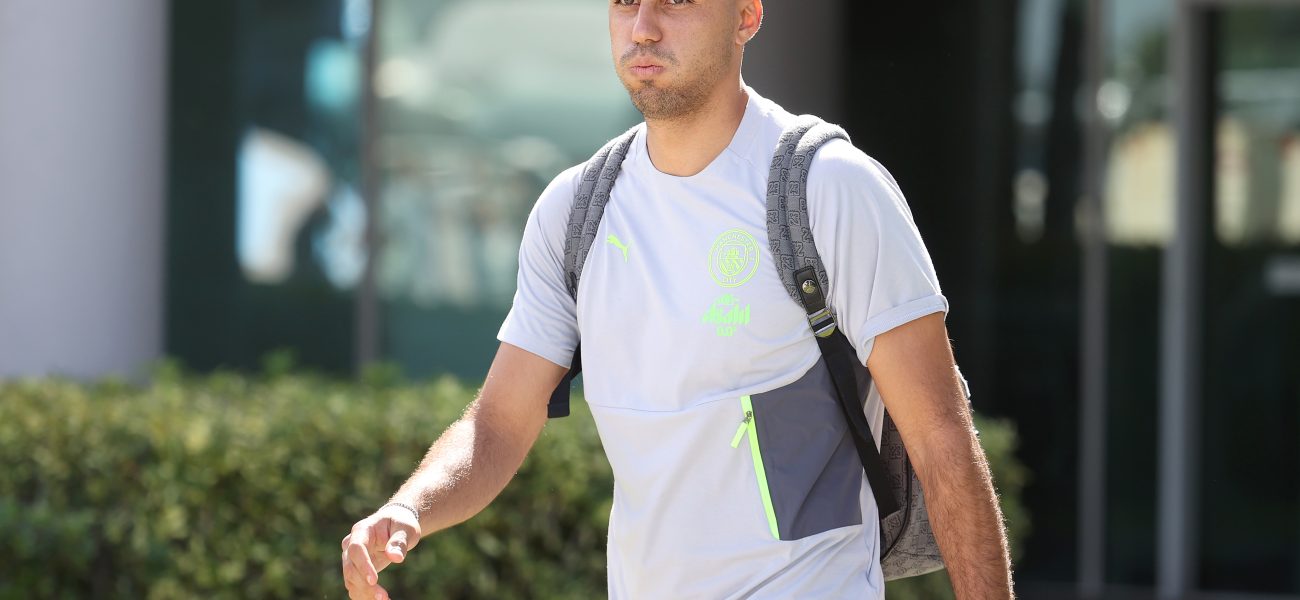
It’s Tuesday, and the front pages, traditionally dedicated to statecraft or financial indices, are awash with tales from the turf. And they’re not shy about calling them ‘bombshells.’ But these aren’t just athletic upheavals; they’re economic declarations, loud and clear. Take the chatter around Manchester City midfielder Rodri Hernández. The word is that Pep Guardiola’s rumored departure could grease the wheels for Rodri’s leap to Real Madrid, the ‘most desired position,’ as one headline puts it. It’s not just a player changing shirts; it’s a realignment of fortunes, a strategic chess move echoing boardrooms more than locker rooms.
Because every superstar signing, every high-profile coaching acquisition, like José Mourinho’s alleged two-year pact with Real Madrid, complete with an optional third if he secures a league title—well, it speaks to deep pockets. And, often, those pockets aren’t strictly European. It’s this continuous flow of capital, much of it originating from sovereign wealth funds or benefactors linked to resource-rich nations, that truly shapes the landscape. It creates a kind of global spectacle that resonates from the cafes of Barcelona to the bustling streets of Lahore.
Consider the raw financial heft: According to FIFA’s Global Transfer Report 2023, spending on international transfers for men’s professional football alone topped €9 billion (approx. $9.63 billion USD), a staggering 47% increase from the previous year. That’s not a sum casually thrown around; it’s an economic tidal wave.
From a club like Real Madrid’s perspective, such investments aren’t mere indulgences. “We don’t simply acquire talent; we acquire global aspiration,” one highly placed Real Madrid director, who spoke on condition of anonymity, reportedly confided to close associates. “Each signature isn’t just a player joining; it’s a statement, a ripple across continents that speaks volumes about our ambition and our economic muscle. It’s an investment, pure — and simple, not just in goals, but in global prestige.” He isn’t wrong.
Meanwhile, AS runs with Mourinho’s dramatic gesture, finger to lips, proclaiming ‘Mourinho done.’ A deal sealed, secrets kept—for now. On the other side of the country, Catalan papers like Mundo Deportivo fawn over Gavi, the Barcelona midfielder, a ‘warrior’ back from injury. His blunt message to new recruits, “The new guys shouldn’t come here acting like superstars,” suggests that even amidst all the financial glamour, there are internal power dynamics, struggles for hierarchy and recognition, that even vast wealth can’t entirely smooth over. It’s a locker room, after all, not a bank vault, despite appearances.
And then there’s the Joao Pedro saga. Chelsea striker, left out of Brazil’s World Cup squad—which, crucially, dents his market value—now looks like an easier catch for Barcelona. This isn’t just bad news for Pedro; it’s a subtle swing of the financial pendulum, shifting negotiating leverage. And poor Javi Guerra, the Valencia CF prospect celebrated as a ‘War for Europe’ linchpin, seems like an almost quaint storyline by comparison, a reminder that underneath the glitz, there’s still grassroots talent trying to punch above its weight.
But the true fascination here isn’t just who’s going where, but the immense, often aspirational, interest these moves generate thousands of miles away. “When Manchester City or Real Madrid make a move, the tremors are felt far beyond Europe’s gilded stadiums,” observes Dr. Aisha Khan, a Karachi-based sports policy analyst — and author, in an exclusive chat with Policy Wire. “It ignites passions in Lahore and Karachi, among millions of fans who wake up in the dead of night to catch these matches. But it also highlights the stark imbalance of the global sporting economy. Our youth are enthralled, yet we often struggle to build competitive sporting structures at home, facing capital flight of talent rather than attraction. It’s a bittersweet fascination, isn’t it?
What This Means
This endless churn of European football’s elite—the buying, the selling, the coaching carousel—it’s far more than entertainment. It’s an economic indicator, a soft power instrument, and a cultural unifier, often reflecting the ambitions of entire nations or powerful ownership groups. For one, the sheer volume of money sloshing around these transfers creates an almost insurmountable barrier for smaller clubs and leagues, both within Europe and abroad. It fosters a permanent talent drain towards a handful of wealthy leagues. Beyond that, the colossal brand value built by these super clubs, often financed by non-European wealth, serves as an unofficial ambassador, projecting influence and culture globally, often without a single diplomat needing to lift a finger. It creates a global village, yes, but one profoundly tilted in terms of who holds the financial cards. For many countries in South Asia, for example, it represents a potent, irresistible cultural export that simultaneously inspires and underscores domestic economic disparity in sports development. They’re drawn to the spectacle, and often wonder what it would take for their own athletes to reach that global stage.