


India’s Cricket Calculus: The Calculated Risks and Rising Tides Beyond the Stars
POLICY WIRE — Mumbai, India — The hum of stadium floodlights, the roar of a million voices—they’re just the tip of the iceberg, aren’t they? Beneath that glitzy veneer of global cricket,...

POLICY WIRE — Mumbai, India — The hum of stadium floodlights, the roar of a million voices—they’re just the tip of the iceberg, aren’t they? Beneath that glitzy veneer of global cricket, a quieter, more ruthless game of strategy unfolds, one played with spreadsheets, biometric data, and the aspirations of young men. It’s not always about raw talent, or even current form, it’s about a cold, hard calculus of asset management, particularly for a behemoth like India.
This week’s squad announcements for the Afghanistan tour, ostensibly a simple roster update, are anything but. On the surface, you see big names like Ravindra Jadeja — and Jasprit Bumrah notably absent. But don’t let the headlines fool you. This isn’t just about ‘resting’ marquee players. This is India’s cricketing brass—the shadowy figures pulling the levers—deliberately shaping futures, for better or worse. It’s an exercise in depth-chart expansion, a gamble on tomorrow’s stalwarts today, all while keeping one eye firmly fixed on global dominion.
“Look, you can’t run these guys into the ground, not anymore,” remarked a senior selector, requesting anonymity to speak freely on team dynamics. “The schedules, the expectations, it’s all gotten too intense. You’ve got to build in recovery time. But, — and this is where it gets interesting, that downtime for some means prime time for others. We’re looking at a three-year cycle here, not just the next trophy.” That’s the cold reality: someone’s always waiting in the wings.
The squad for the one-off Test and the limited-overs series against Afghanistan, India’s rapidly ascending neighbors in the subcontinent, isn’t just a selection; it’s an audit of the national talent pipeline. Rohit Sharma and Virat Kohli? They’re still very much part of the ODI blueprints, their continued presence a tacit nod to experience and gravitas when it truly counts. But the spaces around them? Those are now contested territory.
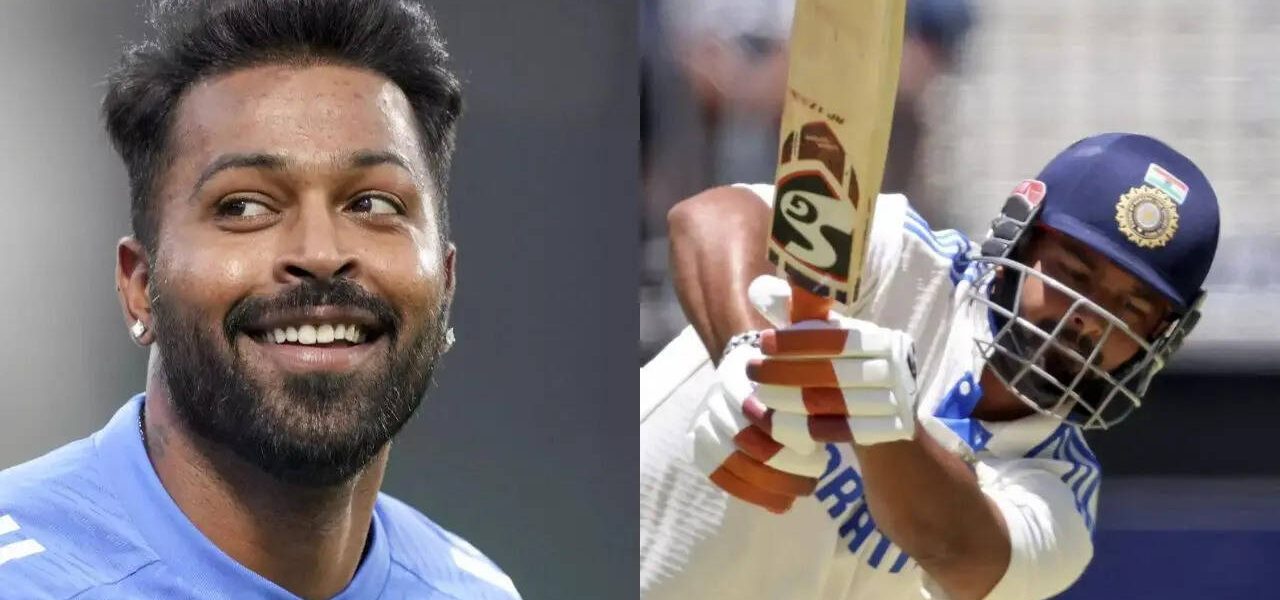
Hardik Pandya’s return to the ODI fold, for instance, remains subject to fitness. That’s always the caveat with a power player like him. But his potential impact, particularly given India’s struggle to find a genuine pace-bowling all-rounder since the 2025 Champions Trophy, is a looming question mark. Because when he’s firing, he’s irreplaceable. You don’t just find someone like that under a rock.
Then you’ve got the fresh faces, the real stories bubbling just beneath the surface. Prince Yadav, the Lucknow Super Giants pacer, earned his maiden ODI call-up. And it wasn’t a pity pick; the selectors were apparently bowled over by his IPL 2026 performances—that raw pace, those hard lengths. Punjab’s Gurnoor Brar is another, making it into both the ODI — and Test setups. Harsh Dubey’s domestic run has snagged him a dual slot, too, testament to a national team aggressively expanding its all-round options.
For the Test match, Gill is back — and he’ll lead the side. A pretty clear indication of where he stands in the pecking order. With Bumrah absent, Prasidh Krishna slides in, aiming to bulk up the pace attack. Brar again, alongside spinner Manav Suthar, represent that continued investment in red-ball prospects. It’s a calculated gamble on youth, a hope they can shoulder the immense pressure that comes with the India jersey. And frankly, the bench is getting pretty deep now.
But what does this all mean for Afghanistan, a team from the broader Muslim world, a developing cricketing nation consistently punching above its weight? This series is a vital opportunity. It’s their moment in the spotlight against the titans of the game, a chance for players like Rashid Khan to showcase their global appeal even against a somewhat rotated Indian side. This exposure isn’t just about the scoreboard; it’s about infrastructure, confidence, — and inspiring a new generation. Consider the rapid ascent: Afghanistan secured their full ICC membership in 2017, and already, their participation adds significant revenue to international cricketing bodies, with bilateral series fetching upwards of $10-15 million in broadcast rights alone, according to estimates from a recent Sports Business Journal analysis. That’s not insignificant, is it?
What This Means
The strategic deployment of resting key players while aggressively integrating new talent isn’t merely about managing player workloads; it’s an economic play and a political statement. Economically, it cultivates a larger pool of marketable players, diversifying endorsement potential and reducing over-reliance on a few mega-stars. If five players can sell a thousand jerseys, imagine what fifteen can do. Politically—within the cricketing ecosystem, of course—it asserts India’s unparalleled depth, sending a clear message to rivals: their second-string might just be a first-string anywhere else. It keeps everyone, from selectors to state association coaches, on their toes, constantly feeding the machine. And it reinforces the narrative of India as the dominant force in the global game, capable of fielding competitive sides across formats simultaneously. This isn’t just team building; it’s empire maintenance.
“We’re not just building a team; we’re cultivating a system, a perpetual motion machine,” another BCCI official confided, sketching diagrams on a cocktail napkin. “Every performance, every absence, it feeds into the bigger picture. We’re aiming for sustainable dominance. You can’t do that with tired legs and stagnant minds.” It’s a relentless cycle, one that offers unprecedented opportunities for the few who make the cut, and heartbreaking ends for those who don’t. That’s cricket, I guess.