


Asphalt’s Absurdity: Albuquerque’s ‘Improved’ I-25 Traps Commuters in Perpetual Limbo
POLICY WIRE — Albuquerque, N.M. — It’s a familiar American ritual: the infrastructure project promising progress, delivering instead a temporary purgatory of cones and detours. For Albuquerque, that...

POLICY WIRE — Albuquerque, N.M. — It’s a familiar American ritual: the infrastructure project promising progress, delivering instead a temporary purgatory of cones and detours. For Albuquerque, that ritual has become a drawn-out, maddening pas de deux with Interstate 25, the region’s primary artery. Because as city planners boast of hitting a “halfway” mark on a sprawling renovation, commuters find themselves snared in yet another fresh tangle of road closures, begging the question: improvement for whom, and when exactly does this actually get *better*?
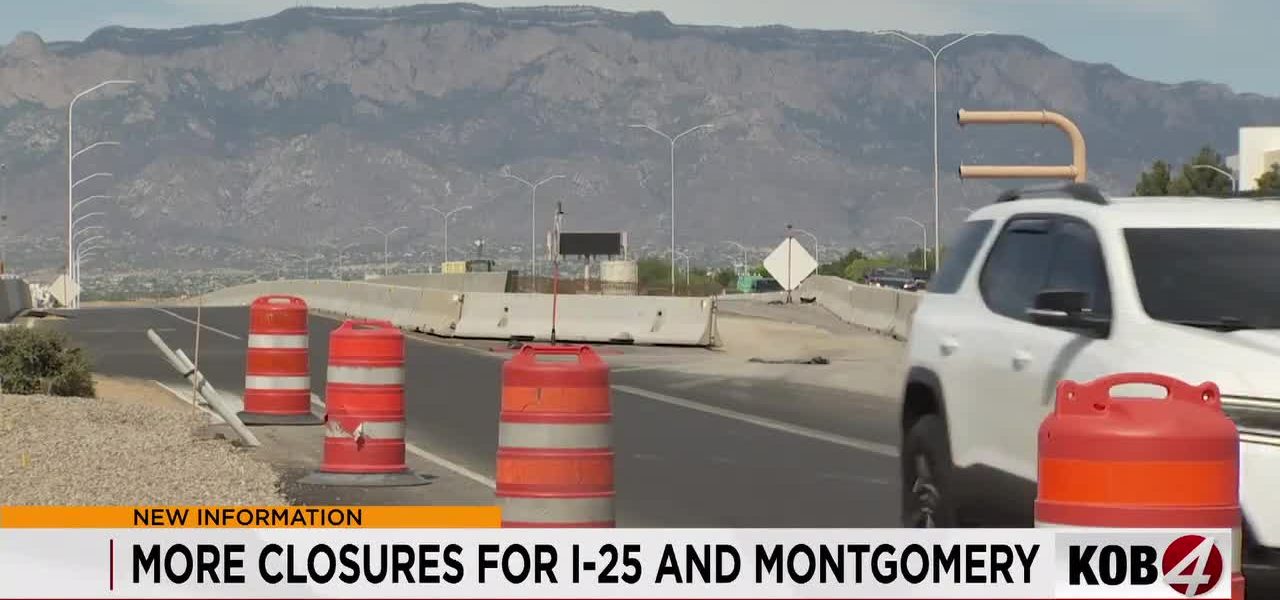
The latest installment of this bureaucratic ballet arrived with little fanfare but immediate impact: the southbound I-25 frontage road, stretching from Montaño to Midtown, slammed shut. Included in the cordon was the critical on-ramp at Montaño, an already congested nexus. Motorists, you see, now face a mandated seven-week sabbatical from direct access—forced onto a labyrinth of surrounding streets like Comanche, Edith, and Carlisle, streets already buckling under their own daily pressures. But what’s seven weeks when you’re talking about an eighteen-month-long ‘improvement’ saga?
“You hear ‘halfway,’ — and you wanna cheer, right? Then they tell you another chunk is off-limits for almost two months. It’s like watching a chef tell you your steak is half-cooked, then taking away your plate to sear another side,” vented Alicia Gonzales, a retired schoolteacher who commutes through the affected stretch twice a day, every day. “I don’t know. Don’t they’ve like, drone technology or something? It’s just a constant punch to the gut for anyone trying to make it to work on time.” Her frustration? It’s a chorus echoing across the city, audible even over the idling engines. And frankly, who could blame her?
Officials, predictably, are singing a different tune. “This closure, while inconvenient, represents a strategic acceleration of our overall timeline,” explained Ricardo Solano, spokesperson for the New Mexico Department of Transportation. “Reaching the 50 percent completion milestone in February demonstrates we’re not just meeting, but in some aspects, exceeding expectations. The goal is to minimize overall disruption—believe it or not—and deliver a significantly modernized, safer corridor well within our forecasted window.” Solano added that the project, despite these new hurdles, is still eyeing completion in roughly eleven months, a feat, he insists, that’s quite aggressive for a project of this scope.
But aggressive project timelines often come with equally aggressive impacts. Just consider this: according to a study by the Texas A&M Transportation Institute, traffic congestion costs U.S. urban commuters an estimated 87 billion dollars annually in wasted fuel and lost productivity. Albuquerque isn’t Houston, but the principle holds. These detours aren’t just minor inconveniences; they’re tiny taxes levied on personal time and pocketbooks, adding up fast. And the daily reality of infrastructure upgrades isn’t some abstract ideal; it’s the grind. It’s why cities in the developing world, from Dhaka to Lahore, are constantly experimenting with staggered work hours, dynamic lane management, and even unconventional transit options to keep their citizens moving. They understand, perhaps even more keenly, the sheer cost of stasis. New Delhi’s ambitious ring road projects, often cited for their logistical complexities, similarly balance monumental public benefit with monumental daily headache.
📄 POLICY WIRE WHITEPAPER PUBLISHED: PAKISTAN'S NATIONAL SECURITY POLICY PRIORITIES
👉 READ BY CLICKING HERE“The I-25 improvement is a marathon, not a sprint, but I hear the concerns,” offered State Senator Martina Chavez (D-Albuquerque), whose district includes swaths of affected commuters. “It’s about balancing necessary progress with the day-to-day lives of our constituents. We’ve had continuous dialogue with NMDOT to push for clear signage, better communication, and as many alternate routes as possible. We’re holding their feet to the fire on this 11-month timeline, because New Mexicans deserve better than perpetual construction. They’re investing their time, patience, and tax dollars into this; it has to be worth it in the end.” Her tone was firm, yet empathetic—the mark of a politician navigating the chasm between grand plans and gritty reality.
What This Means
Politically, the ongoing I-25 saga represents a classic public works tightrope walk. State and local officials need to deliver on promises of modern infrastructure, a perennial plank in election campaigns. However, extended, disruptive projects erode public trust — and voter goodwill. Every additional week of closure fuels commuter resentment, creating political headwinds for incumbents, especially with local elections looming. Economically, businesses along these detoured routes face reduced traffic, potential delivery delays, and employee absenteeism—a ripple effect that can quietly chip away at local commerce. the project’s length and phases mean that planning future commercial and residential development near I-25 remains a guessing game, slowing economic forecasting. It’s a textbook example of how the promise of future efficiency often requires present-day suffering, and how that suffering is rarely distributed equally. The real test won’t just be when the cones disappear, but when citizens can definitively say their journey, and their quality of life, has actually, demonstrably improved.