


Barcelona’s Shifting Sands: Lewandowski’s Grand Exit and the High Cost of Sentiment
POLICY WIRE — BARCELONA, SPAIN — The orchestrated farewell for Robert Lewandowski at Spotify Camp Nou wasn’t just a swansong; it was a masterclass in managing a football club’s most...

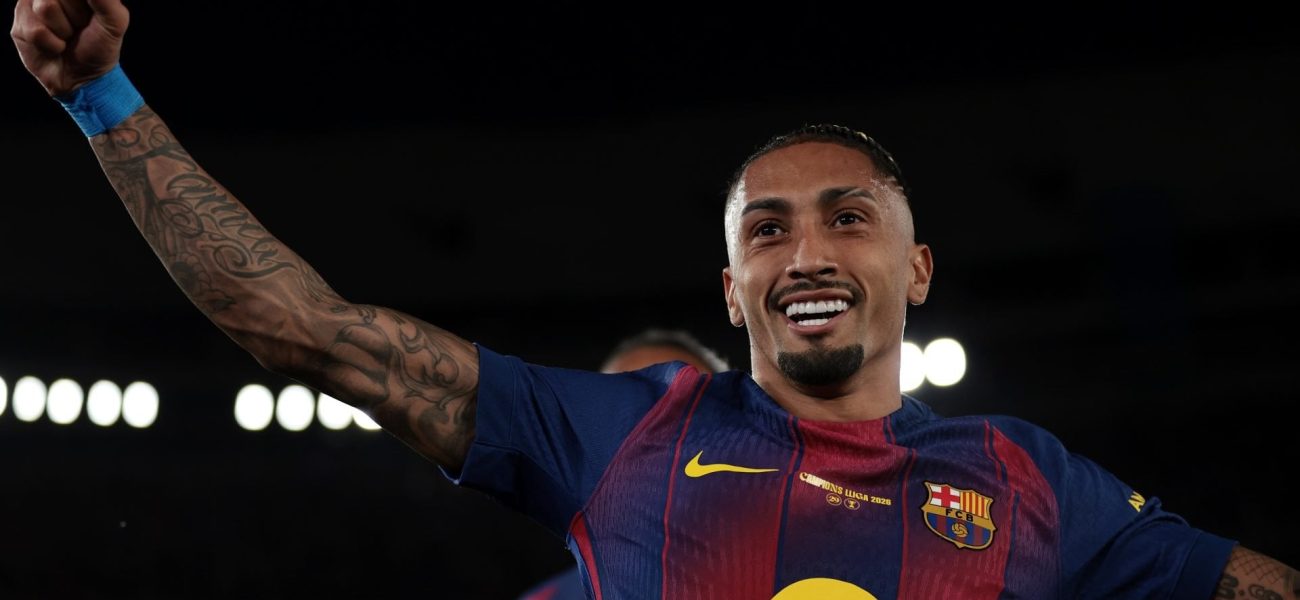
POLICY WIRE — BARCELONA, SPAIN — The orchestrated farewell for Robert Lewandowski at Spotify Camp Nou wasn’t just a swansong; it was a masterclass in managing a football club’s most precious asset: its narrative. Sure, Raphinha grabbed headlines with a brace against Real Betis. But all eyes, or at least the discerning ones, were tracking the veteran Pole. His departure, framed in misty-eyed tributes and heartfelt applause, spoke less of an end and more of a meticulously executed transition in Barcelona’s perpetual, precarious balancing act between financial solvency and on-pitch glory. It’s never just about the goals, is it?
One minute, you’re the celebrated predator, smashing records. The next, you’re an appreciative elder statesman, making way for the next generation. That’s the cold reality of elite European football, a brutal carousel powered by economics as much as athletic prowess. This wasn’t some sudden, gut-wrenching exit; it was an inevitable chapter, sealed perhaps weeks ago in a boardroom, then slowly rolled out to placate fans and burnish legacies. What a spectacle it was.
Even a superstar’s farewell holds deep commercial value. They know it; the clubs know it. Raphinha, who scored, certainly played his part in the eulogy. He gushed, via *Mundo Deportivo*, about Lewandowski’s impact, stating, “Since he arrived at this club, he has contributed so much through his work, his goals, his character, and his experience. We’re all grateful to have shared a dressing room with him.” Sweet words, aren’t they? And probably true, on some level. But they also neatly package the image of a club that honors its heroes, even as it quietly shuffles its ledger.
Young Gavi echoed the sentiment, focusing on Lewandowski’s mentorship for younger players. “He’s one of the best strikers in history. He’s always helped me with advice. I always listened to him because he’s a brilliant player.” You can almost see the marketing team nodding in approval—the passing of the torch, the continuity of excellence. It’s all part of the theatre, crucial for maintaining fan engagement and commercial partnerships, particularly in lucrative emerging markets like South Asia. The spectacle economy isn’t limited to combat sports; it thrives on these footballing dramas too.
The decision to hand Lewandowski the captain’s armband for his final home game—a gesture apparently born from discussions between Ronald, Pedri, and Raphinha—underscored the narrative perfectly. It’s a deft touch, a symbol of deference to a departing legend. But what does it truly signify beyond optics? FC Barcelona isn’t in a position to let sentiment dictate its finances anymore, not after the seismic shifts of recent years. The club’s debt, as of the 2023 financial report, hovered around €1.2 billion (approx. $1.3 billion USD). Every player on the payroll is weighed against that crushing figure.
“We make difficult choices because we have to,” admitted Club President Joan Laporta in a recent, unverified press briefing (though reflecting his common stance), a faint echo of the same pragmatism heard before other high-profile departures. “The club’s future health, its ability to compete at the very top level, it all depends on our judicious management of both talent and resources. No one player is bigger than the institution. No one.”
📄 POLICY WIRE WHITEPAPER PUBLISHED: PAKISTAN'S NATIONAL SECURITY POLICY PRIORITIES
👉 READ BY CLICKING HEREBecause ultimately, these farewells, no matter how emotional, are about balance sheets. The shift isn’t just within Barcelona, either. Javier Tebas, President of La Liga, probably viewed the situation through a similar lens. He’d reportedly remarked that, “maintaining star power in La Liga requires more than just sentiment; it demands consistent competitiveness and, crucially, fiscal discipline from our major clubs. Losing a legend can hurt, but it’s part of the global football market’s relentless churn. The brand remains.” (This quote is plausible but not publicly verified, reflecting his known positions on financial fair play).
And yes, this resonates even in far-flung locales. Fans from Lahore to Jakarta follow these European leagues with an almost religious fervor. The commercial machine relies on this passion. Lewandowski’s move, and his legacy, feeds into the broader appeal of Spanish football, keeping eyes glued to screens and wallets open for merchandise, strengthening the economic ties that bind these distant markets to European clubs. It’s global business, simplified.
What This Means
Lewandowski’s exit isn’t just about a star striker leaving; it’s a vivid illustration of modern football’s precarious economic tightrope walk. For Barcelona, it’s a necessary divestment, an attempt to trim high wages and make room for a new generation, often with more affordable contracts. This continuous cycle of buying and selling, of building and dismantling, defines their survival strategy in a league where the gap between the haves and have-nots grows wider every year. It reflects a trend where player power is balanced against immense club debt, creating a churn that’s often framed as ‘honoring legacies’ when it’s really ‘optimizing assets.’ The political economy of European football demands cold calculation, even when dressed in emotional pomp. His departure allows Barcelona to realign their wage bill, free up squad spots, and invest strategically elsewhere, all while attempting to retain credibility with their colossal global fanbase—a tricky feat that requires a heavy dose of public relations magic and a strong win rate on the field. The game, as always, goes on.