


Fourth of July Fury: New Mexico Plea Deal Lifts Lid on Domestic Tragedy
POLICY WIRE — Albuquerque, New Mexico — Sometimes, the quiet aftermath of a domestic dispute leaves scars far deeper than any celebratory pyrotechnic display. While most of America reveled in a...

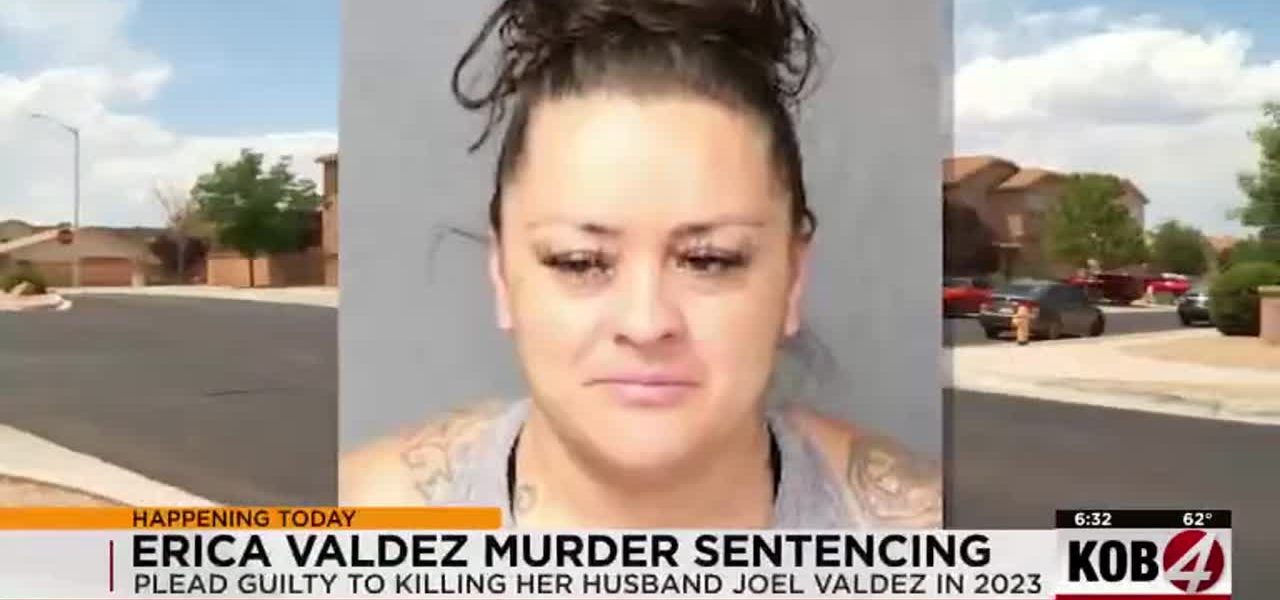
POLICY WIRE — Albuquerque, New Mexico — Sometimes, the quiet aftermath of a domestic dispute leaves scars far deeper than any celebratory pyrotechnic display. While most of America reveled in a symphony of fireworks on Independence Day 2023, one Albuquerque home instead echoed with a far more permanent bang. The consequences of that holiday violence are finally coming due, with a court grappling with a plea deal that — well, it’s complicated.
Erica Valdez, for all intents — and purposes, confessed. She pleaded guilty in November 2024 to second-degree murder, admitting to the slaying of her husband, Joel Valdez. She also owned up to shooting at a dwelling. It wasn’t clean, you know? Never is, when lives unravel in such a brutal fashion. Now, she’s staring down the barrel of a sentence that could reach 26.5 years behind bars. That’s because the firearm enhancement alone adds five years to the underlying 16.5-year basic sentence, a pretty heavy tariff on such a catastrophic decision.
But here’s where the narrative veers, because American justice—bless its heart—rarely runs a straight line. Detectives didn’t just arrest Erica. They also nabbed her boyfriend, James Sena, suspecting him of a role in Joel Valdez’s demise. And then? Poof. His charges related to the murder just…vanished. Prosecutors, as they sometimes do when facing the messiness of actual trials, cut a deal. Sena ended up pleading guilty to merely being a felon in possession of a firearm in 2024. He’s out of the murder picture, — and one has to wonder about the mechanics of such swift disappearances.
“We sought to secure justice for the victim, Joel Valdez, under challenging circumstances,” stated District Attorney Maria Rodriguez, offering the standard prosecutorial line with a carefully neutral tone. “But negotiating plea agreements, especially in complex domestic cases, often means weighing the certainty of conviction against the unpredictable nature of trial outcomes. It’s not about being popular; it’s about being effective, even if the public sometimes struggles to reconcile the differing fates of co-defendants.” She paused, adjusting her glasses. “This isn’t Hollywood.”
Because, really, it’s never as simple as good guy versus bad guy. These incidents, deeply rooted in home life, often involve layers of tension, fear, and desperation that rarely see the light of day until it’s too late. Domestic violence, globally, is an insidious, often unreported plague. In Pakistan, for instance, women facing similar — or even greater — threats of violence often contend not just with legal obstacles but with immense social pressure and deeply ingrained cultural norms that can silence victims and warp the pursuit of justice. These divine lines and legal limits intersect in harrowing ways.
And Ms. Valdez’s defense attorney, Ben Carter, was quick to frame his client’s choice in a different light. “My client has accepted responsibility for her actions. This is a tragedy, one of many born from situations where the emotional dynamics spiral out of control. It’s not just a matter of punitive measures; it’s a desperate plea for society to understand the profound complexities of these fractured relationships, before they break so utterly.”
📄 POLICY WIRE WHITEPAPER PUBLISHED: PAKISTAN'S NATIONAL SECURITY POLICY PRIORITIES
👉 READ BY CLICKING HERENationally, statistics bear out the pervasive, silent nature of this issue: approximately 15% of all violent crime in the United States is categorized as domestic violence, according to the National Coalition Against Domestic Violence. Think about that for a second. An awful lot of carnage behind doors we mostly ignore, until the consequences land on a judge’s docket, neatly packaged as ‘crime reports’.
What This Means
The plea agreement here—and the diverging paths of Valdez and Sena—doesn’t just close a file; it cracks open questions about how we, as a society, prosecute domestic violence cases, particularly those involving multiple parties where one secures a suspiciously clean exit. It highlights the transactional nature of our justice system, where certainty (even a diluted version) often trumps the messy, sometimes unsatisfying quest for absolute, singular truth. Politically, these kinds of outcomes fuel public distrust, suggesting a tiered system where legal maneuvers can, shall we say, make problems disappear for some, while others pay a heftier price for their complicity or direct action.
Economically, too, the ripple effects are subtle but profound. From the strains on social services addressing domestic abuse, to the allocation of scarce public defender and prosecutorial resources, every plea deal—or dismissal—represents a calculated risk by the state. And the human cost, well, you can’t put a price tag on that. But the court system continues to churn, processing pain — and seeking resolutions, imperfect as they may be. What starts as a family fight often ends up as a policy headache. Because that’s how it goes, isn’t it?