


Dust and Dragons’ Breath: New Mexico’s Perpetual Climate Reckoning Ignites Regional Fears
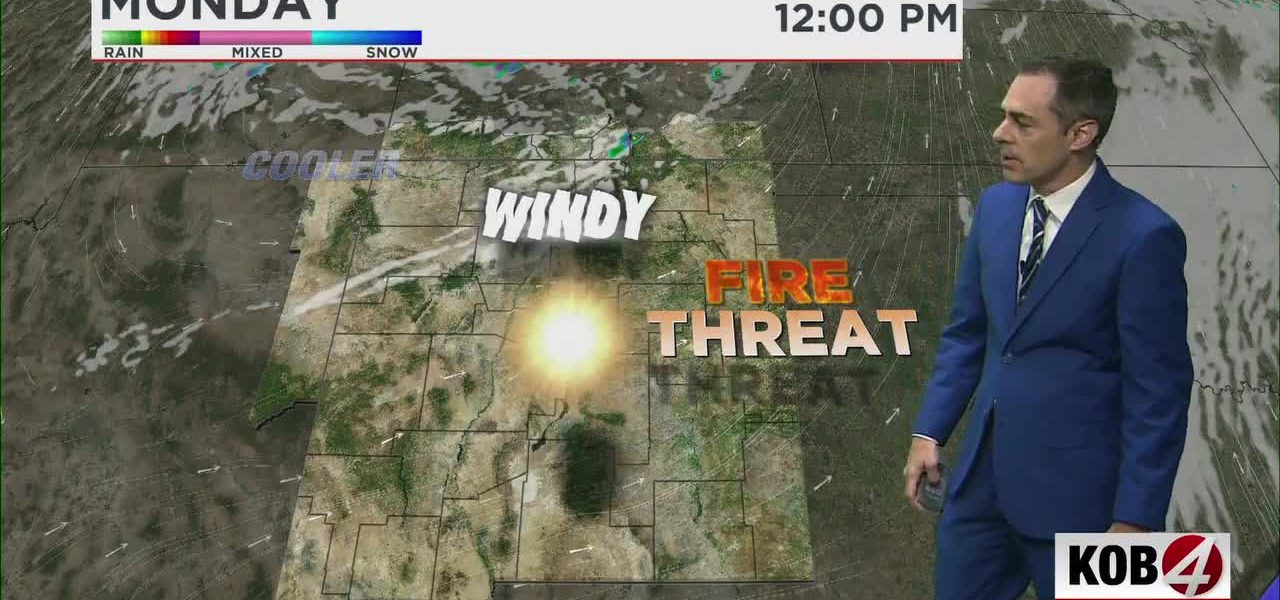
POLICY WIRE — ALBUQUERQUE, N.M. — Another week begins, and with it, another predictable siege. For New Mexico, a Monday forecast of incessant winds—low 80s temperatures doing their part to parch an...

POLICY WIRE — ALBUQUERQUE, N.M. — Another week begins, and with it, another predictable siege. For New Mexico, a Monday forecast of incessant winds—low 80s temperatures doing their part to parch an already thirsty land—isn’t just weather; it’s a grinding, relentless reminder. This isn’t about an isolated meteorological event. This is about climate arithmetic: sustained drought plus intensifying heat equals wildfire’s relentless march. And frankly, the numbers aren’t looking good for the American Southwest.
It’s a ritual now. Folks here watch the flags, the trees, even the way the dust plumes rise on the horizon. The wind isn’t just a nuisance; it’s an accomplice, fanning embers, drying out everything combustible, transforming high desert landscapes into kindling boxes. When you talk to state officials, you hear the weariness. You hear the budgeting nightmares for firefighting, the whispered anxieties about water rights and dwindling reservoirs. It’s a tough conversation, one that many prefer to postpone until the smoke is literally on their doorstep.
Because, make no mistake, the dry seasons aren’t just getting drier. They’re starting earlier, ending later, stretching resources and testing the patience of everyone from ranchers to state park rangers. “We’re past the point of just calling this an ‘abnormal’ fire season,” observed Patricia Quintana, Director of the New Mexico State Forestry Division, her voice tight with years of experience battling infernos. “This is our new normal. We’re fighting fires the size of small states now, and the winds just keep coming, pushing the perimeter further and further into communities, into wilderness areas. It’s an existential threat for many, financially — and emotionally.” She’s not wrong. It’s not a drill. It’s just how things are.
This persistent environmental stress, while seemingly local, echoes a larger global narrative, particularly in vulnerable arid regions. Pakistan, for instance, a nation grappling with its own humanitarian gambits, frequently faces extreme weather shifts—from devastating floods to heatwaves that make New Mexico’s low 80s seem downright pleasant. These disparate geographies share a common thread: populations on the sharp end of a changing climate. Their farmers, too, watch the skies with trepidation, just like their counterparts in the Jemez Mountains.
Governor Michelle Lujan Grisham (D-NM) hasn’t minced words about the long-term implications. “The federal government needs to understand that climate resilience isn’t some abstract goal for New Mexico; it’s a daily battle for survival, for our agricultural economy, for our historical lands,” she stated forcefully during a recent press conference, underscoring the budgetary strains. “We can’t keep applying band-aids when the systemic issues demand surgical intervention, real investment in adaptation and prevention, not just reactive suppression. Our constituents are seeing their heritage quite literally go up in smoke.” It’s not just about money, it’s about identity.
And those winds? They carry more than just dust. They carry a stark message about what happens when policy—or a lack thereof—meets planetary shifts. The southwestern United States has seen a significant increase in large wildfire occurrence and burned area since the 1970s, a trend directly attributable to rising temperatures and increased fuel aridity, as confirmed by a 2020 study published in Nature Climate Change. This isn’t conjecture; it’s documented. It’s the inconvenient truth whispered on every gust.
📄 POLICY WIRE WHITEPAPER PUBLISHED: PAKISTAN'S NATIONAL SECURITY POLICY PRIORITIES
👉 READ BY CLICKING HEREWhat This Means
The daily grind of fighting an ever-more aggressive climate in places like New Mexico carries significant political and economic ramifications. For starters, it siphons off state and federal funds that could be channeled into education, infrastructure, or healthcare, instead diverting them into emergency response and disaster recovery. The recurring high cost of firefighting, not to mention the extensive rebuilds, becomes an entrenched expenditure, slowly but surely hollowing out public budgets. Because fire isn’t cheap. It demands constant resources.
Economically, agriculture, tourism, and ranching – staples of New Mexico’s identity and livelihood – face an increasingly precarious future. Extended drought conditions degrade land, reduce crop yields, and force ranchers to liquidate herds, triggering a ripple effect through local economies. Insurers, too, are adjusting risk assessments, making homeownership in fire-prone areas an increasingly expensive, if not impossible, proposition. It’s not just homes burning; it’s a tax base eroding.
Politically, the ceaseless demand for federal aid fosters a contentious environment. States battling climate impacts often feel underserved by national policies that can seem detached from their on-the-ground reality. It forces a conversation about interstate water compacts and regional collaboration—or competition, depending on how parched everyone is feeling. It also shines a harsh light on infrastructure vulnerabilities, from power grids threatened by high winds and extreme heat, to communication networks essential for public safety during evacuations. There’s a political cost to every scorched acre.