


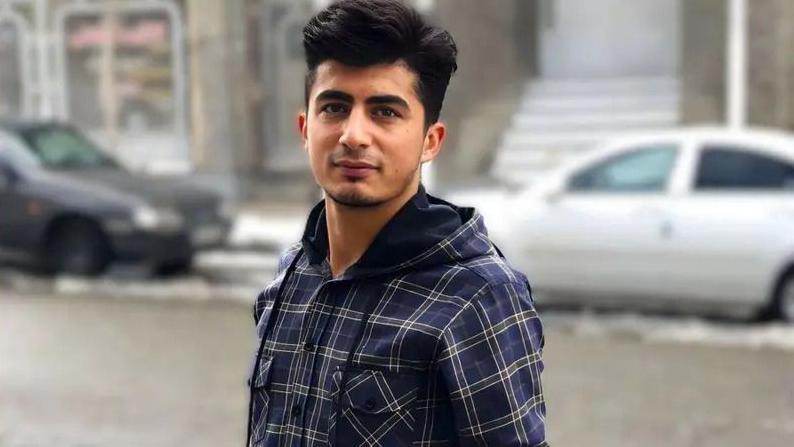
Tehran’s Iron Grip Tightens: A Silent Purge Under Shadow of Conflict
POLICY WIRE — Vienna, Austria — You’d think the roar of distant cannon fire, the drumbeat of regional tensions, might offer some distraction from what’s happening back home. Or perhaps, better...

POLICY WIRE — Vienna, Austria — You’d think the roar of distant cannon fire, the drumbeat of regional tensions, might offer some distraction from what’s happening back home. Or perhaps, better put, it provides the perfect cover. Because while the world’s collective gaze often fixates on conflicts in Gaza or Ukraine, something insidious, something chillingly methodical, has been accelerating inside Iran’s prisons—a quiet campaign of death that hardly makes the evening news. It’s a strategic move, isn’t it? To ramp up domestic repression when the international community’s bandwidth for outrage is stretched so thin.
It seems that every global headline detailing skirmishes beyond Iran’s borders, every diplomat’s whispered worry about proxy wars, only serves to dim the spotlight on a surge in political executions that’s nothing short of alarming. Reports from reputable human rights monitors paint a stark picture: the gallows in Iran haven’t been this busy in years. We’re not talking about just a few isolated cases; we’re talking numbers that indicate a deliberate policy shift. Specifically, Norway-based Iran Human Rights (IHR) reported over 800 executions in 2023, a significant increase that makes it one of the deadliest years in recent memory.
Many of these weren’t criminals by any ordinary definition, not terrorists planting bombs, anyway. They were protesters, activists, even ethnic minorities accused of vague ‘crimes against God’ or ‘enmity against the state’—terms elastic enough to ensnare anyone who whispers dissent. You’ve got to wonder what goes through a person’s mind in those final hours, those moments before a voice is silenced forever. Maybe, just maybe, it’s a terrifying echo of that chilling phone call: ‘This may be the last time you hear my voice.’
The regime, as ever, frames this brutal efficiency as upholding justice, maintaining order in turbulent times. Mohammad Jafar Montazeri, Iran’s Prosecutor-General, once put it quite plainly (albeit in a hypothetical, policy-defending manner), “Our nation’s security isn’t negotiable, especially not now. Those who seek to sow discord or conspire with foreign enemies will face the full weight of revolutionary justice. We won’t apologize for protecting our sovereignty.” And protect it they do, with a mercilessness that belies their claims of moral high ground.
But this isn’t just about internal governance. Oh no. The repercussions ripple outwards, slowly, inevitably. Countries like Pakistan, while maintaining often complex diplomatic relations with Tehran, find themselves in an awkward spot. They’re part of a broader Muslim world, a region already grappling with its own internal divisions and external pressures. Pakistan’s strategic ties, sometimes bordering on transactional, mean navigating these moral waters carefully. You can see how difficult it’s for them, walking that tightrope, trying not to alienate a powerful neighbor while subtly managing internal disquiet from their own populace who might view such executions with alarm. For more on this delicate dance, one might consider The Strategic Logic Behind Pakistan’s Tehran Outreach.
📄 POLICY WIRE WHITEPAPER PUBLISHED: PAKISTAN'S NATIONAL SECURITY POLICY PRIORITIES
👉 READ BY CLICKING HEREIt’s not as if the international community is completely unaware. Human rights groups clamor, condemning the systematic oppression, the lack of due process. And some Western diplomats issue strongly worded statements—they usually do. Anne-Marie Trevelyan, a former UK Foreign Office Minister, might realistically express the exasperation, saying (and I’m paraphrasing what’s surely been thought many times), “These aren’t isolated incidents; they’re a deliberate campaign to crush dissent. The international community simply cannot afford to look away, not when basic human rights are so systematically violated. It’s an abject failure of justice.” But because those statements rarely translate into meaningful, immediate action, Tehran just keeps on keeping on. It’s almost as if they’ve calculated the cost of international censure, — and they find it negligible.
And because the conflict outside is loud, messy, and financially draining, governments seem less inclined to rock the boat too aggressively with Iran, opting for a stability-over-morality calculus. It’s a tragic dynamic, isn’t it?
What This Means
This escalating pattern of executions in Iran signals a deepening authoritarian resolve, hardening the regime’s posture both domestically and abroad. Politically, it cements an internal atmosphere of fear, designed to prevent any repeat of the widespread protests witnessed recently. It’s an unmistakable message: opposition carries the ultimate price. Economically, while this crackdown might project an image of iron-fisted control, it simultaneously scares away potential foreign investment and contributes to brain drain—who wants to build a future in a state where legal recourse is so often a façade for politically motivated punishment? For the region, it fosters an environment of heightened instability and distrust, especially among nations with substantial Shia populations or those wary of Iran’s regional ambitions. The muted global response, overshadowed by larger geopolitical confrontations, paradoxically emboldens Tehran. It tells them they can continue this ruthless internal suppression largely unmolested, making any future diplomatic engagement an even more morally fraught and diplomatically challenging endeavor. We’re watching a human tragedy unfold, disguised as national security maintenance, right under the nose of a distracted world.